Juncus (genus)
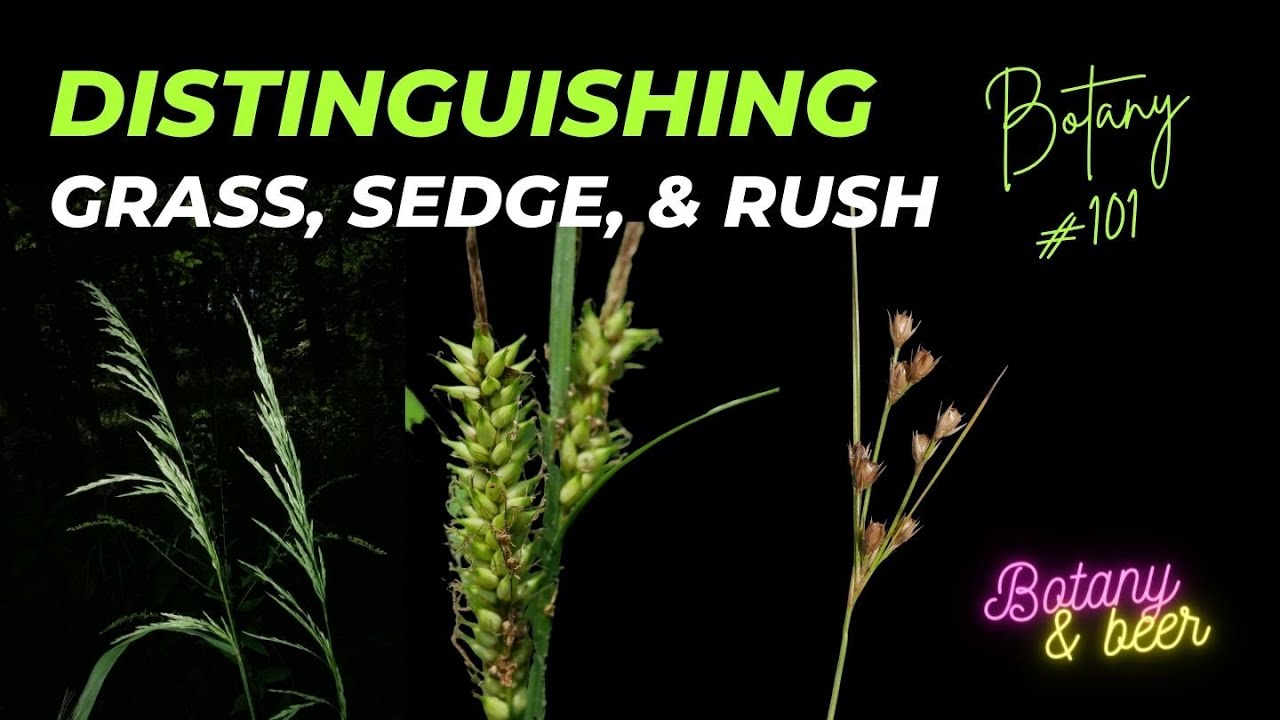
The Juncus genus, commonly known as rushes, is a diverse and fascinating group of plants that belong to the family Juncaceae. With over 400 species distributed across the globe, Juncus plants can be found in a wide range of habitats, from wetlands and marshes to meadows and forests. These versatile plants play important ecological roles and have been used by humans for various purposes throughout history.
Morphology and Characteristics
Juncus plants are herbaceous perennials that vary in size from small tufted species to tall, robust plants. They are characterized by their cylindrical or slightly flattened stems, which are often hollow and have distinct nodes. The leaves of Juncus species are typically basal and grass-like, with parallel venation. The flowers are small and inconspicuous, arranged in clusters at the tips of the stems. Juncus plants reproduce both sexually, through the production of seeds, and asexually, through rhizomes or stolons.
Habitat and Distribution
The Juncus genus is incredibly diverse in its habitat preferences, with species adapted to thrive in a wide range of environmental conditions. Many Juncus species are found in wetlands, where they play a crucial role in stabilizing soil, preventing erosion, and providing habitat for a variety of wildlife. Other species can be found in drier habitats such as grasslands, meadows, and even rocky slopes. The distribution of Juncus plants spans across all continents, with the highest diversity found in temperate regions.
Ecological Importance
Rushes are ecologically important plants that contribute to the health and functioning of various ecosystems. In wetland habitats, Juncus species help to filter water, reduce nutrient runoff, and provide food and shelter for a diverse array of organisms. Their dense root systems also help to stabilize soil and prevent erosion, making them valuable components of riparian zones and coastal areas. Additionally, Juncus plants are often used in habitat restoration projects to enhance biodiversity and improve ecosystem resilience.
Cultural and Historical Significance
Throughout history, Juncus plants have been utilized by humans for a variety of purposes. Indigenous cultures around the world have used rushes for weaving baskets, mats, and other traditional crafts. The strong, flexible stems of Juncus species make them ideal materials for creating durable and functional items. In addition to their practical uses, rushes have also been featured in folklore, art, and literature, symbolizing resilience, adaptability, and the beauty of natural landscapes.