Oil Pulling / kavala graha
Known in Sanskrit as kavala graha,oil pulling is the ritual of pulling or swishing oil through the teeth for twenty minutes to support overall oral health and hygiene. Perform this dinacharya every morning to strengthen gums, whiten teeth, eradicate plaque, rebuild enamel, draw toxins out of the body, eliminate bad breath and alleviate the symptoms of TMJ.
Many people enjoy the use of coconut oil as their oil pulling oil staple it has antibacterial and antifungal properties. However, the use of sesame oil as it is the preferred Ayurvedic oil for oil pulling due to its antibacterial, rejuvenative and highly nourishing properties. Traditionally, turmeric and other beneficial herbs are also infused into the oil to increase its medicinal value.
VIDEOS:
How, why and when to do oil pulling:

Risks of Oil Pulling
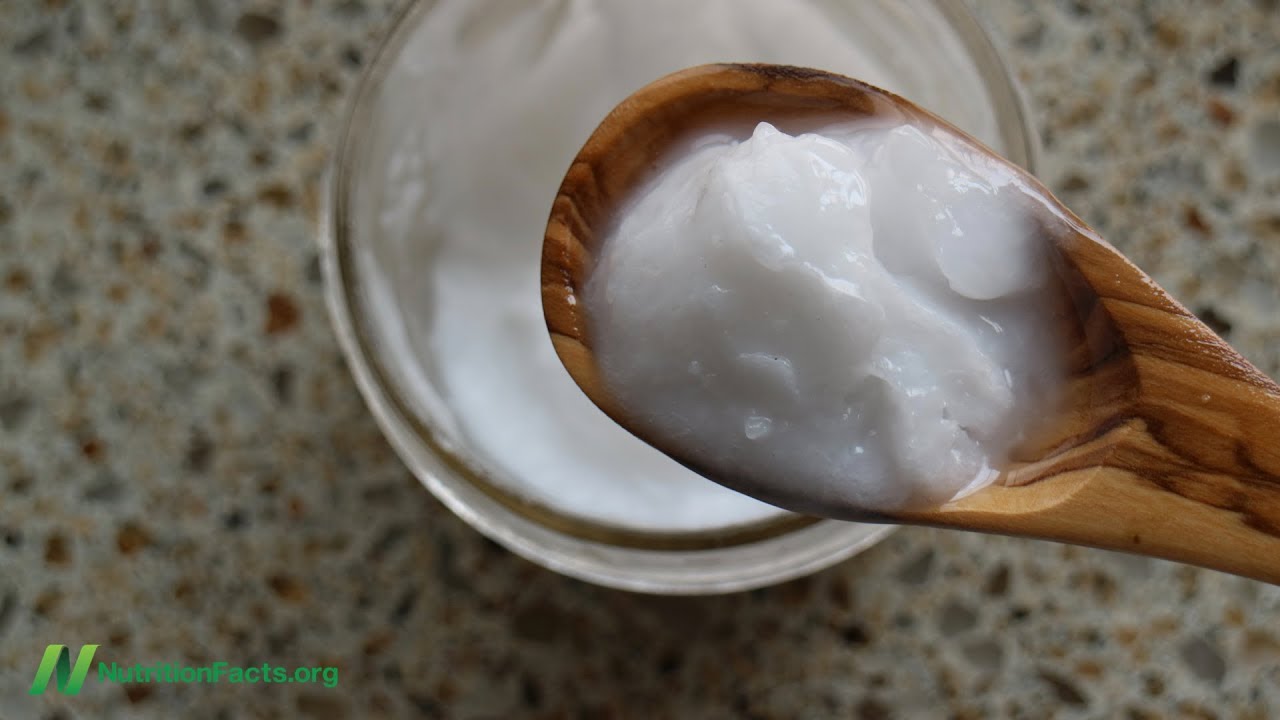
Does Oil Pulling Help with Cancer?
Oil Pulling from a Dentist's Perspective
Benefits for gingivitis and plaque
When Should You Oil Pull & How Often? Oil Pulling FAQ’s | Ayurveda Q&A
15 Minutes of Oil Pulling, Swish Along
Cinnamon Daily Swish Product for Oil Pulling
Studies/Articles
How to Detox Your Body with Oil Pulling
‘Oil pulling’ may not do much for your oral health
Swish Your Way to Healthier Gums: The Science Behind Oil Pulling
I Tried Oil Pulling for (Almost) a Week: Here's What Happened
Effect of oil pulling on plaque induced gingivitis: a randomized, controlled, triple-blind study.
Efficacy of oil pulling therapy with coconut oil on four-day supragingival plaque growth.