Immune Response
Return to Immune System Menu
See also: Antiviral Innate Immunity
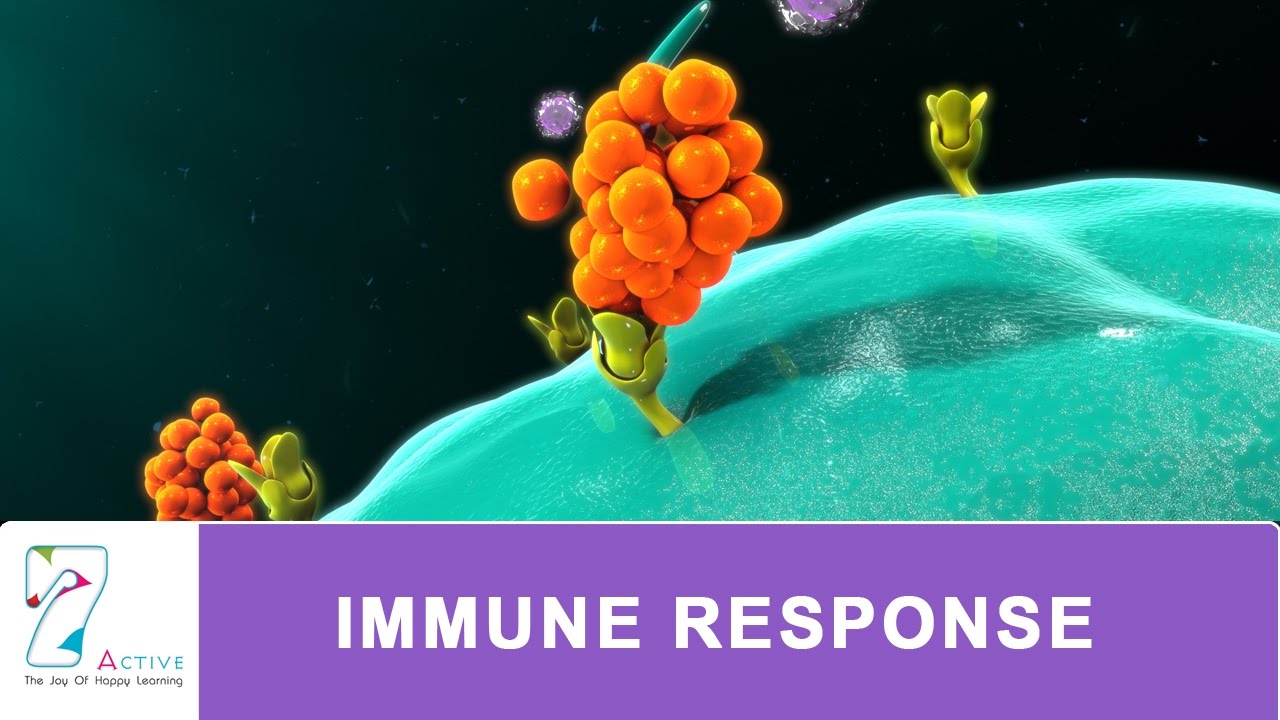
Understanding the Immune Response
The immune response is a complex and dynamic process that protects the body from harmful pathogens, such as bacteria, viruses, fungi, and parasites. It is a critical component of the body's defense mechanism, ensuring that we remain healthy and capable of fighting off infections. This note will explore the various components and stages of the immune response, highlighting its importance in maintaining overall health.
Components of the Immune System
The immune system is composed of various cells, tissues, and organs that work together to identify and eliminate foreign invaders. The primary components include:
- White Blood Cells (Leukocytes): These are the main cells involved in the immune response. They are produced in the bone marrow and circulate throughout the body in the blood and lymphatic system. There are several types of white blood cells, including lymphocytes (T cells and B cells), neutrophils, monocytes, eosinophils, and basophils.
- Lymphatic System: This network of vessels and nodes transports lymph, a fluid containing white blood cells, throughout the body. The lymphatic system plays a crucial role in filtering out pathogens and presenting them to the immune cells.
- Spleen: This organ filters the blood, removing old or damaged blood cells and pathogens. It also helps produce and store white blood cells.
- Thymus: This gland is where T cells mature and become capable of recognizing specific antigens.
- Bone Marrow: The primary site of new blood cell production, including white blood cells.
Types of Immune Responses
The immune response can be broadly categorized into two types: innate and adaptive.
Innate Immune Response
The innate immune response is the body's first line of defense against pathogens. It is non-specific, meaning it does not target specific pathogens but rather responds to any foreign invader. Key features of the innate immune response include:
- Physical Barriers: The skin and mucous membranes act as physical barriers to prevent pathogens from entering the body.
- Chemical Barriers: Enzymes in saliva, stomach acid, and other secretions help destroy pathogens.
- Inflammation: When tissues are injured or infected, they release chemicals that cause blood vessels to leak fluid into the tissues, resulting in swelling. This process helps isolate the pathogen and attracts white blood cells to the site of infection.
- Phagocytosis: Certain white blood cells, such as neutrophils and macrophages, engulf and digest pathogens.
Adaptive Immune Response
The adaptive immune response is more specific and involves the recognition and targeting of specific antigens. It has two main components:
- Humoral Immunity: This involves B cells, which produce antibodies that bind to specific antigens, neutralizing them or marking them for destruction by other immune cells.
- Cell-Mediated Immunity: This involves T cells, which can directly kill infected cells or help coordinate the overall immune response.
The adaptive immune response also has a memory component, allowing the body to respond more quickly and effectively to pathogens it has encountered before. This is the principle behind vaccinations, which expose the immune system to a harmless form of a pathogen, enabling it to recognize and respond to the real pathogen more efficiently in the future.
Stages of the Immune Response
The immune response can be divided into several stages:
- Recognition: The immune system identifies a pathogen as foreign. This is often mediated by antigen-presenting cells, such as dendritic cells, which capture antigens and present them to T cells.
- Activation: Once a pathogen is recognized, the immune system is activated. This involves the proliferation and differentiation of immune cells, such as T and B cells, to mount an effective response.
- Response: The immune cells carry out their functions to eliminate the pathogen. This may involve the production of antibodies, the killing of infected cells, or the release of signaling molecules to recruit additional immune cells.
- Resolution: After the pathogen is eliminated, the immune response is downregulated to prevent excessive damage to the body's own tissues.
- Memory: Some immune cells become memory cells, which persist in the body and provide long-lasting immunity against future infections by the same pathogen.
Importance of a Balanced Immune Response
A well-functioning immune response is essential for maintaining health. However, an overactive or underactive immune system can lead to problems. An overactive immune response can result in allergies or autoimmune diseases, where the immune system mistakenly attacks the body's own tissues. Conversely, an underactive immune response can lead to increased susceptibility to infections.
Maintaining a balanced immune response involves a healthy lifestyle, including a balanced diet, regular exercise, adequate sleep, and stress management. Vaccinations also play a crucial role in preparing the immune system to fight specific pathogens.
The involvement of vitamins C and E in changing the immune response.
Platelets exacerbate immune response
Influence of resveratrol on the immune response.
Scientists discover how key protein drives our immune response against viruses Interferons and MDNA -- a major piece of the puzzle