Allicin
Videos
How it works:
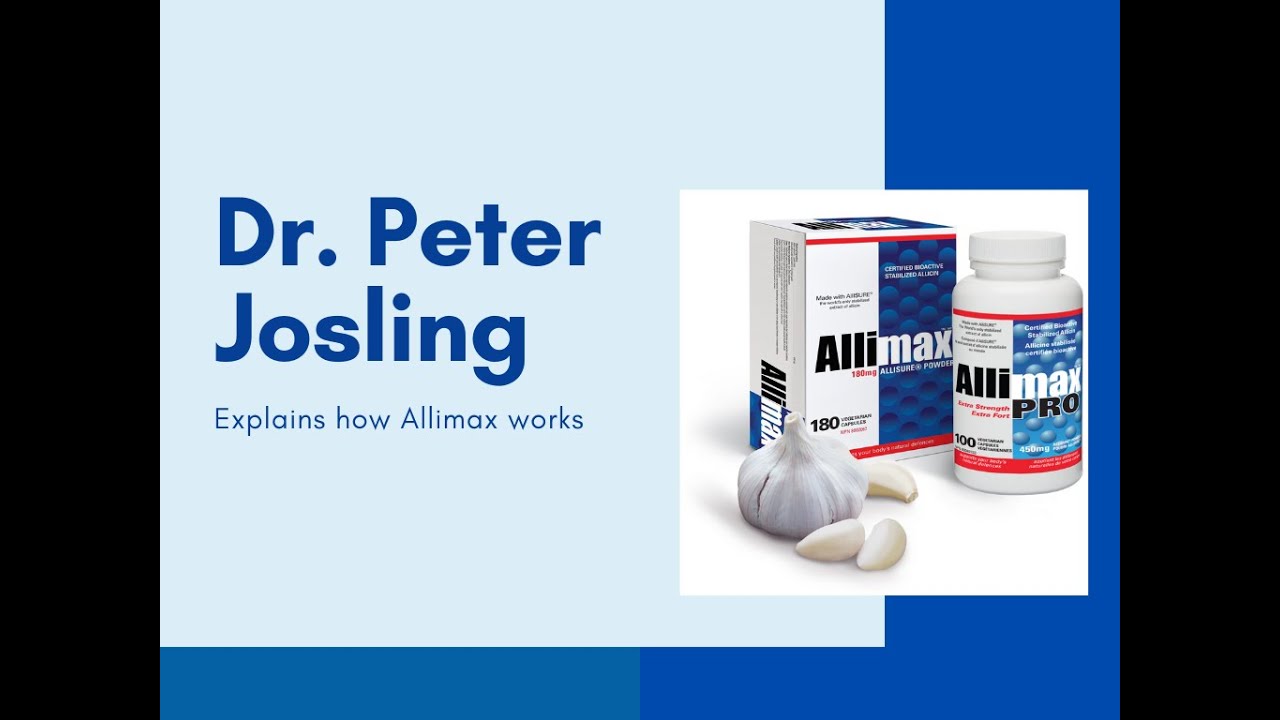
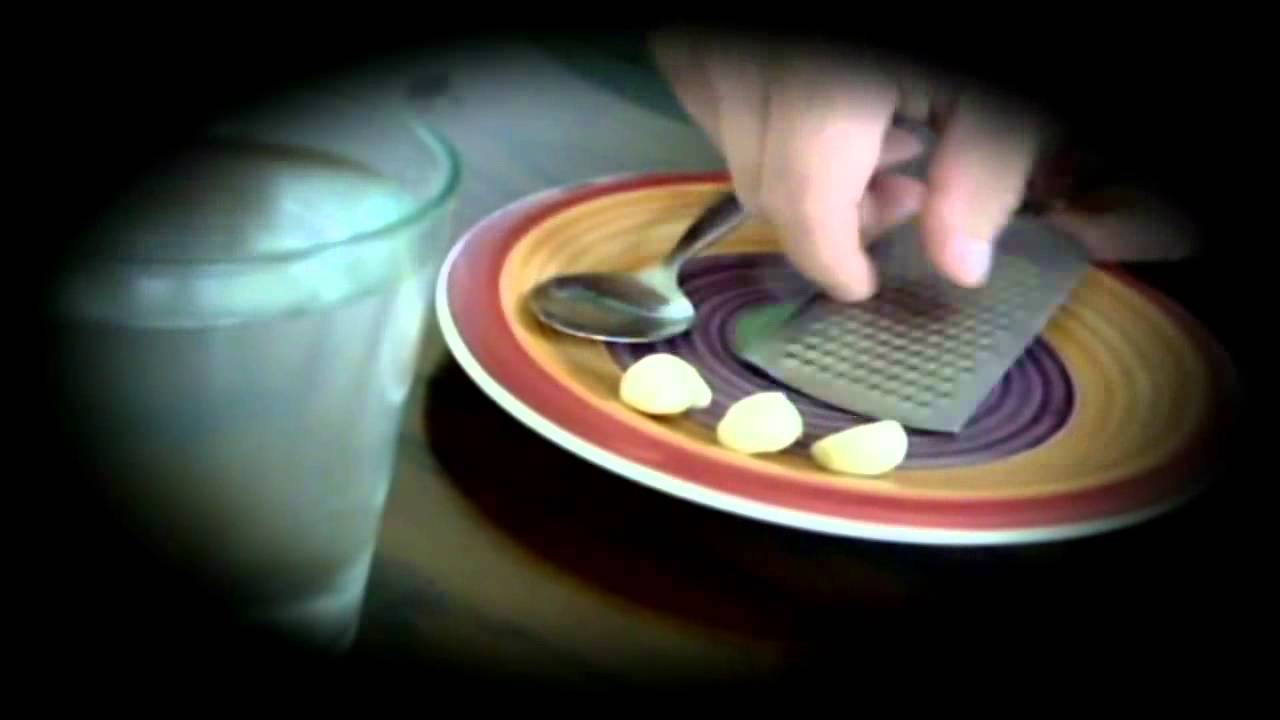
The easiest way to make ALLICIN
Is Allicin good for SIBO?
Produced when garlic is crushed or cut up,after eat it it changes into about 200 other sulfur based compounds. To use it medicinally requires purchase of a stabilized product. See the tab above on "Allicin Bioavailability" for details.
For severe infection pure allicin supplements should be used . Best extracted from garlic by oil. Allicin has a high vapor pressure and diffusion rate ideal for aromatherapy in severe infection cases.
Inhibits the spontaneous and TNF-alpha-induced secretion of IL-1beta, IL-8, IP-10 and MIG in a dose-dependent manner from intestinal epithelial cells in vitro, suppresses the expression of IL-8 and IL-1beta mRNA levels.
Inhibited TNF-alpha induced ICAM-1 expression in human endothelial cells.
Allicin could exhibit the potency of crossing the blood-brain barrier suggesting further evaluation of its toxicity. gingerol could induce immunotoxicity. Allicin has no toxic risk on biochemical pathways in their interactions, with aryl hydrocarbon Receptor, androgen receptor, aromatase, oestrogen receptor, nuclear factor (erythroid-derived 2)-like antioxidant responsive element, heat shock factor response element, mitochondrial membrane potential, and tumour suppressor protein. (source)
Structure and occurrence
- Allicin features the thiosulfinate functional group, R-S(O)-S-R. The compound is not present in garlic unless tissue damage occurs, and is formed by the action of the enzyme alliinase on alliin. Allicin is chiral but occurs naturally only as a racemate. The racemic form can also be generated by oxidation of diallyl disulfide:
- (SCH2CH=CH2)2 + RCO3H → CH2=CHCH2S(O)SCH2CH=CH2 + RCO2H
- Alliinase is irreversibly deactivated below pH 3; as such, allicin is generally not produced in the body from the consumption of fresh or powdered garlic. Furthermore, allicin can be unstable, breaking down within 16 hours at 23 °C.
- Allicin is an oily, slightly yellow liquid that gives garlic its unique odor. It is a thioester of sulfenic acid and is also known as allyl thiosulfinate. Its biological activity can be attributed to both its antioxidant activity and its reaction with thiol containing proteins.
- In the biosynthesis of allicin (thio-2-propene-1-sulfinic acid S-allyl ester), cysteine is first converted into alliin (+ S-allyl-L-cysteine sulfoxide). The enzyme alliinase, which contains pyridoxal phosphate (PLP), cleaves alliin, generating allysulfenic acid, pyruvate, and ammonium. At room temperature allysulfenic acid is unstable and highly reactive, which cause two molecules of it to spontaneously combine in a dehydration reaction to form allicin.
Allicin is produced in garlic cells when they are damaged, which is why garlic’s scent is most potent once it is being cut or cooked. It is believed that alliin and alliinase are kept in separate compartments of the cells and can only combine once these compartments have been ruptured.
Articles/Studies
Antibacterial
In laboratory studies, allicin has been found to have numerous antimicrobial properties, and has been studied in relation to both its effects and its biochemical interactions. One potential application is in the treatment of methicillin-resistant Staphylococcus aureus (MRSA), an increasingly prevalent concern in hospitals. A screening of allicin against 30 strains of MRSA found antimicrobial activity, including against strains resistant to other chemical agents.
- Review: antimicrobial properties of allicin used alone or in combination with other medications.
- The compound found within garlic known as allicin has antibacterial activity against methicillin-resistant Staphylococcus aureus.
- Allicin could be promising for the treatment of human cutaneous leishmaniasis and the control of secondary bacterial infections.
- Allicin has antileishmanial effects under in vitro and in vivo conditions and may be used in clinical applications
- Allicin inhibited bacterial growth as a vapor, and could be used to combat bacterial lung infections via direct inhalation
- Allicin enhances antimicrobial activity of macrophages during Mycobacterium tuberculosis infection.
- Kinetics of bactericidal potency with synergistic combination of allicin and selected antibiotics.
Anti-inflammatory
Antiviral
- Allicin is under preliminary research for its potential antiviral activity. Among viruses being investigated are Herpes simplex type 1 and 2, Parainfluenza virus type 3, human Cytomegalovirus, Influenza B, Vaccinia virus, Vesicular stomatitis virus and Human rhinovirus type 2.
Arthritis
Allicin regulates Treg/Th17 balance in mice with collagen-induced arthritis.
Calcium Oxalate Crystals
Cancer
- Anticancer potential of allicin: A review.
- Effect of purified allicin, the major ingredient in freshly crushed garlic, on cancer cell proliferation.
- Allicin inhibits mouse colorectal tumorigenesis through suppressing the activation of STAT3 signaling pathway
- Allicin could potentially alleviate oral cancer pain.
- Allicin suppresses growth and metastasis of gastric carcinoma.
- Allicin suppresses the migration and invasion in cervical cancer cells mainly by inhibiting NRF2.
- Allicin, a potent new ornithine decarboxylase inhibitor in neuroblastoma cells.
- Allicin inhibited proliferation of glioblastoma cells in vitro.
- A review of allicin and digestive system cancers.
- Allicin induces cell cycle arrest and apoptosis of breast cancer cells in vitro via modulating the p53 pathway.
- Allicin in digestive system cancer: From biological effects to clinical treatment.
- This review outlines the anticancer role of allicin in each hallmark of cancer.
- Allicin overcomes doxorubicin resistance of breast cancer cells.
- Allicin inhibits the growth of HONE-1 and HNE1 human nasopharyngeal carcinoma cells by inducing ferroptosis.
- Allicin affects immunoreactivity of osteosarcoma cells through lncRNA CBR3-AS1.
- Allicin inhibits the biological activities of cervical cancer cells by suppressing circEIF4G2.
Cardiovascular Health
Several animal studies published between 1995 and 2005 indicate that allicin may reduce atherosclerosis and fat deposition, normalize the lipoprotein balance, decrease blood pressure, have anti-thrombotic and anti-inflammatory activities, and function as an antioxidant to some extent. Other animal studies have shown a strong oxidative effect in the gut that can damage intestinal cells, though many of these results were obtained by excessive amounts of allicin, which has been clearly shown to have some toxicity at high amounts, or by physically injecting the lumen itself with allicin, which may not be indicative of what would happen via oral ingestion of allicin or garlic supplements. A randomized clinical trial found that the consumption of garlic in any form did not reduce blood cholesterol levels in patients with moderately high baseline cholesterol levels.[25] The fresh garlic used in this study contained substantial levels of allicin, so the study casts doubt on the ability of allicin when taken orally to reduce blood cholesterol levels in human subjects. (Wikipedia)
- Allicin improves cardiac function by protecting against apoptosis in rat model of myocardial infarction.
- Atherosclerosis amelioration by allicin in raw garlic through gut microbiota and trimethylamine-N-oxide modulation.
- Allicin treats myocardial infarction in I/R through the promotion of the SHP2 axis to inhibit p-PERK-mediated oxidative stress.
- Ameliorative effect of allicin on vascular calcification via inhibiting endoplasmic reticulum stress.
- Allicin provided cardioprotection for cardiac hypertrophy.
- Allicin can reduce oxidative stress damage and cardiomyocyte apoptosis in a model of myocardial infarction.
- Allicin may exhibit the cardiovascular disease protective effect through modulation of gut microbiota-TMAO-atherosclerosis pathway.
- Allicin attenuated the lipopolysaccharide induced inflammatory response in blood vessels.
- Allicin improves carotid artery intima-media thickness in coronary artery disease patients with hyperhomocysteinemia.
- Allicin treatment for 8 weeks partially reverse dexamethasone induced hypertension in rats.
- Allicin showed an antihypertensive, nephroprotective, cardioprotective, and antioxidant effects.
- Allicin attenuates early brain injury after experimental subarachnoid hemorrhage.
- Allicin-induced decrease in formation of fatty streaks (atherosclerosis) in mice fed a cholesterol-rich diet
- The protective effect of allicin on myocardial ischemia-reperfusion.
- Allicin protects against myocardial I/R by accelerating angiogenesis via the miR-19a-3p/PI3K/AKT axis.
- This study presents a novel mechanistic insight into the anti-acute myocardial infarction effects of allicin and highlights the therapeutic potential of this compound.
- Cellular mechanisms underlying the cardioprotective role of allicin on cardiovascular diseases.
- Therapeutic potentials of allicin in cardiovascular disease: advances and future directions.
Cerebrovascular
Therapeutic effect of allicin in a mouse model of intracerebral hemorrhage.
Cognitive Impairment
- Allicin, an antioxidant and neuroprotective agent, ameliorates cognitive impairment.
- Allicin ameliorates aluminium- and copper-induced cognitive dysfunction.
Depression
- Allicin attenuated chronic social defeat stress induced depressive-like behaviors
- Allicin attenuated depressive-like behaviours triggered by long-term high fat diet consumption.
Diabetic Nephropathy
Hepatoprotective
- Allicin attenuates liver oxidative stress and inflammation.
- Allicin provides protection against arsenic trioxide induced liver injury.
- Potential hepatoprotective effects of allicin on carbon tetrachloride-induced acute liver injury in mice.
Intestinal Barrier
Lead Exposure
- Allicin alleviated learning and memory deficits caused by lead exposure at developmental stage.
- Allicin alleviates lead-induced hematopoietic stem cell aging by upregulating PKM2.
Lung Injury
Microbiome
Allicin‐induced host‐gut microbe interactions improves energy homeostasis.
Osteoarthritis
Periodontitis
Allicin may promote reversal of T-cell dysfunction in periodontitis.
Renoprotective
- Allicin protects against renal ischemia-reperfusion injury by attenuating oxidative stress and apoptosis.
- Antioxidant and anti-inflammatory effects of allicin in the kidney of an experimental model of metabolic syndrome.
Wound Healing
Allicin was found to be potentially effective on wound healing.