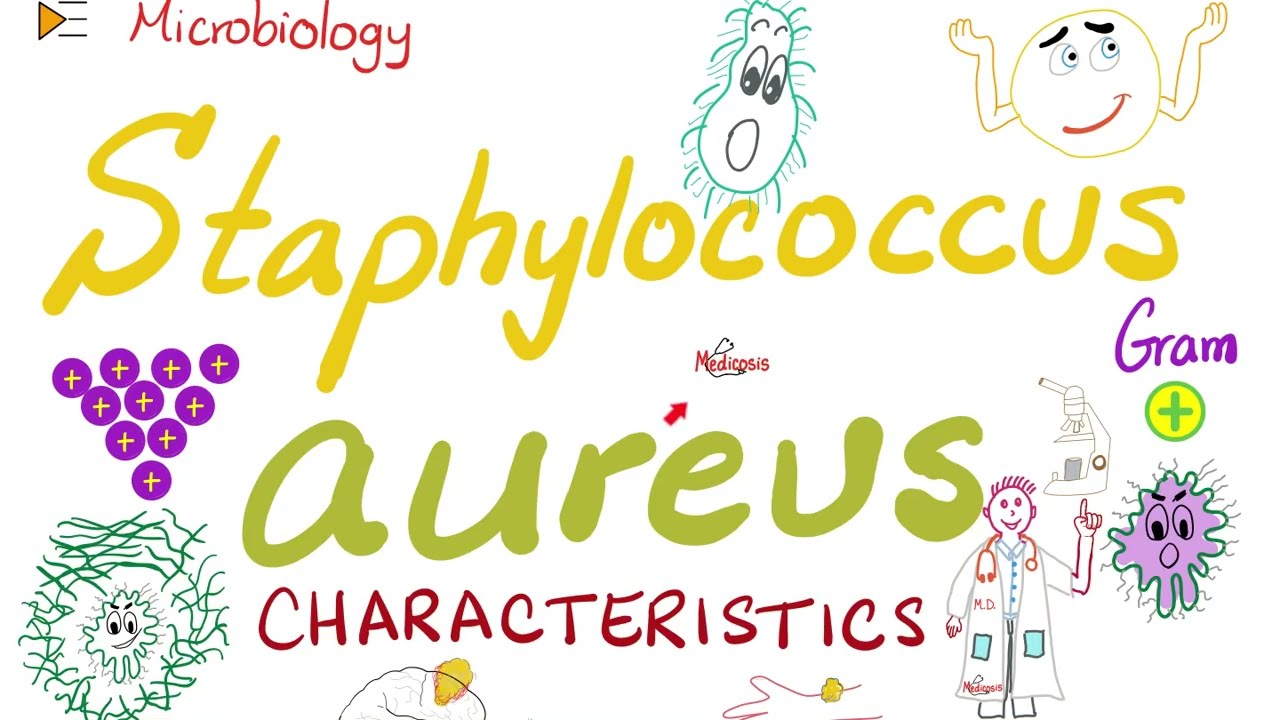
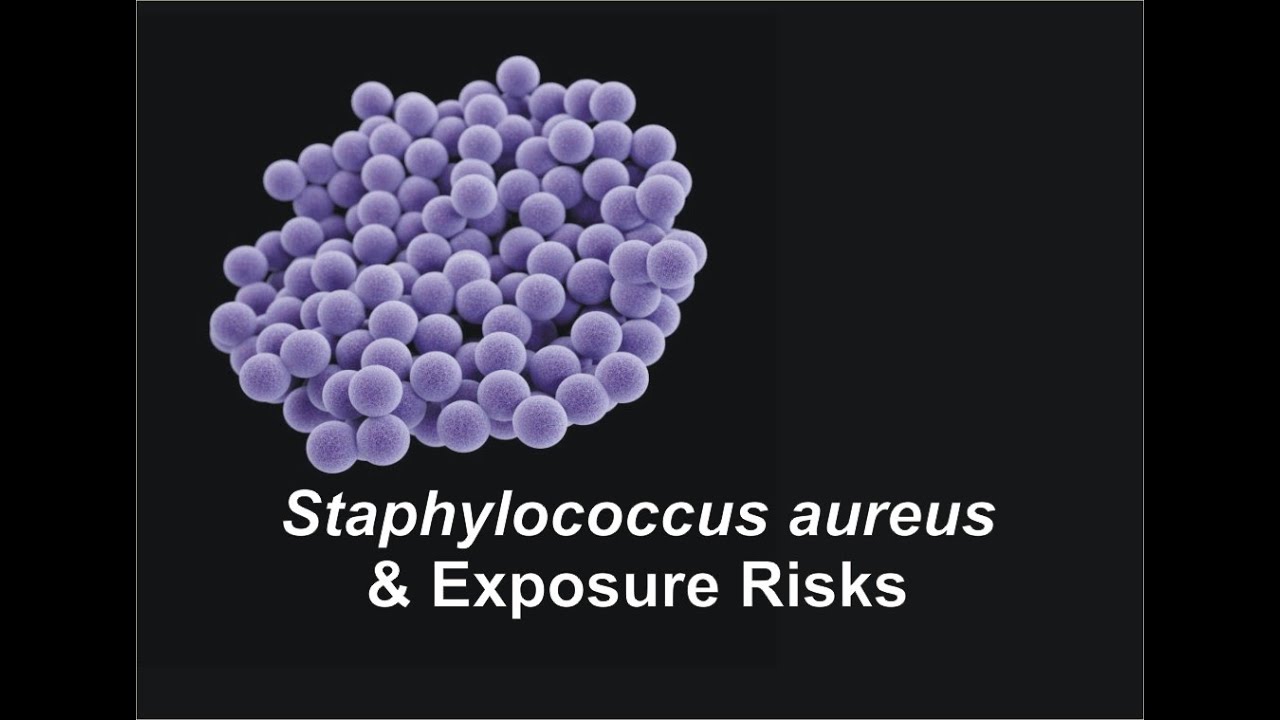
Staphylococcus aureus
1/3 of healthy adults in the US have Staph aureus colonizing their nasal passages, many will be MRSA isolates because they're widespread in the community. This doesn't necessarily mean you'll get sick, you can be a healthy carrier. To be colonized does not mean you're infected. Its an opportunistic pathogen.
Its a leading cause of:
- Bacteremia
- Sepsis
- Brain abscess
- Medical device infections
- Skin and Soft Tissue Infections.
- Respiratory infections.
Its a common cause of:
- Bone and Joint Infections
- Surgical site infections
- Pneumonia
- Endocarditis
A Chinese animal study found that a bacterial protein created by Staph aureus bound not just the receptor but was able to bind insulin itself, a signaling molecule, preventing it from being able to target the receptor it needs to have the pathway move forward. The whole signaling of the downstream pathway changed causing the animals to develop impaired glucose signaling and symptoms of diabetes.
Videos
Mneumonic
Articles/Studies
Risk Factors
- Food Poisoning from Staphylococcus Aureus Bacteria - Video & Lesson Transcript
- Electromagnetic waves emitted by the mobile simulators with a frequency of 900 MHz can increase bacterial resistance in S. aureus, and P. aeruginosa.
- Immune system turned against itself by Staphylococcus aureus bacteria
- The extracellular domain of *Staphylococcus aureus* LtaS binds insulin and induces insulin resistance during infection
- Induced Resistance of Staphylococcus aureus to Various Antibiotics
Prevention / Treatment
Acacetin** protects from Staphylococcus aureus bloodstream infection.
**Piperine** exhibits promising antibiofilm activity against Staphylococcus aureus.
Berberine** at sub-inhibitory concentration inhibits biofilm dispersal in Staphylococcus aureus.
Elucidating the antibiofilm activity of **Frangula emodin** against Staphylococcus aureus biofilms.
**Quercitrin**, an inhibitor of Sortase A, interferes with the adhesion of Staphylococcal aureus.
Antimicrobial effect of **different types of honey** on Staph aureus
Influence of **apitoxin and melittin** from Apis Mellifera bee on Staphylococcus Aureus strains.
Use of daily oral **L. rhamnosus HN001** reduced odds of carriage of S. aureus in the GI tract.
Antimicrobial activity of **essential oils** against Staphylococcus aureus biofilms
Myricetin** may represent a potential candidate and strategy for S. aureus infection.
Myricetin acts as an inhibitor of Type II NADH dehydrogenase from Staphylococcus aureus.
**Ginsenoside Rb1** protects from Staphylococcus aureus-induced oxidative damage and apoptosis.
The anti-infective activity of**Salvia miltiorrhiza** against Staphylococcus aureus.
Mechanism of synergy between **piceatannol and ciprofloxacin** against Staphylococcus aureus.
Wikipedia:
Staphylococcus aureus is a gram-positive coccal bacterium that is a member of the Firmicutes, and is frequently found in the nose,respiratory tract, and on the skin. It is often positive for catalase and nitrate reduction. Although S. aureus is not always pathogenic, it is a common cause of skin infections such as abscesses, respiratory infections such as sinusitis, and food poisoning. Pathogenic strains often promote infections by producing potent protein toxins, and expressing cell-surface proteins that bind and inactivate antibodies. The emergence of antibiotic-resistant forms of S. aureus such as MRSA is a worldwide problem in clinical medicine.
Staphylococcus was first identified in 1880 in Aberdeen, Scotland, by the surgeon Sir Alexander Ogston in pus from a surgical abscess in a knee joint. This name was later appended to Staphylococcus aureus by Friedrich Julius Rosenbach, who was credited by the official system of nomenclature at the time. An estimated 20% of the human population are long-term carriers of S. aureus which can be found as part of the normal skin flora and in the nostrils. S. aureus is the most common species of Staphylococcus to cause Staph infections and is a successful pathogen due to a combination of nasal carriage and bacterial immunoevasive strategies. S. aureus can cause a range of illnesses, from minor skin infections, such as pimples, impetigo, boils, cellulitis, folliculitis, carbuncles, scalded skin syndrome, and abscesses, to life-threatening diseases such as pneumonia, meningitis, osteomyelitis, endocarditis, toxic shock syndrome,bacteremia, and sepsis. Its incidence ranges from skin, soft tissue, respiratory, bone, joint, endovascular to wound infections. It is still one of the five most common causes of hospital-acquired infections and is often the cause of postsurgical wound infections. Each year, around 500,000 patients in United States' hospitals contract a staphylococcal infection like S. aureus.