Reflexes
Understanding How Reflexes Work
Reflexes are essential components of the human nervous system, allowing us to respond rapidly to stimuli without conscious thought. These automatic responses are crucial for survival, as they enable us to react swiftly to potential dangers.
What Are Reflexes?
Reflexes are involuntary and nearly instantaneous movements in response to a stimulus. They are mediated by the nervous system and occur without the need for conscious thought. Reflex actions are typically protective, helping to prevent injury by enabling quick responses to potentially harmful situations.
The Reflex Arc
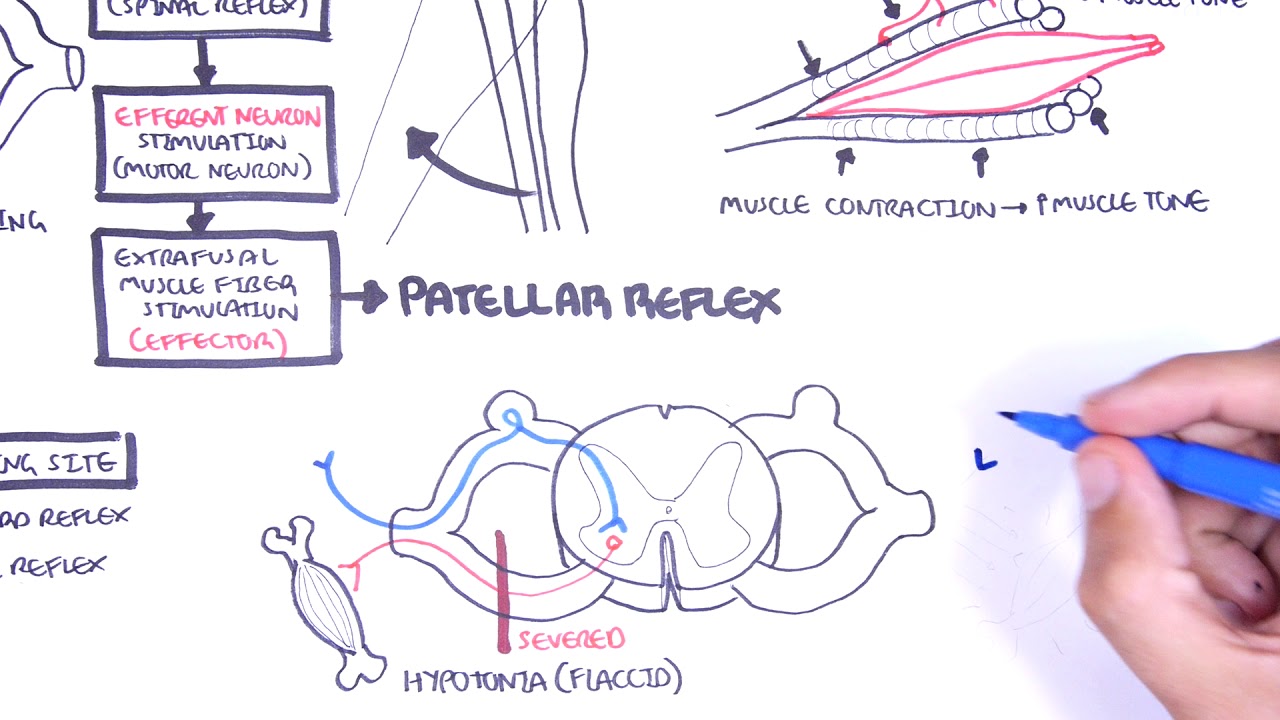
The reflex arc is the neural pathway that mediates a reflex action. It involves several components that work together to produce a reflexive response. The basic components of a reflex arc include:
- Receptor: This is the sensory organ that detects the stimulus. For example, receptors in the skin can detect heat or pressure.
- Sensory Neuron: This neuron transmits the sensory information from the receptor to the central nervous system (CNS).
- Integration Center: Located in the CNS, this is where the sensory information is processed. In simple reflexes, this may involve a single synapse between a sensory neuron and a motor neuron.
- Motor Neuron: This neuron carries the response signal from the CNS to the effector.
- Effector: This is the muscle or gland that carries out the response. For instance, a muscle might contract to withdraw a hand from a hot surface.
Types of Reflexes
Reflexes can be broadly categorized into two types: somatic reflexes and autonomic reflexes.
Somatic Reflexes
Somatic reflexes involve the skeletal muscles and are typically under voluntary control. However, the reflexive actions themselves are involuntary. Examples include:
- Stretch Reflex: This is a simple reflex that helps maintain muscle tone and posture. The knee-jerk reflex is a classic example, where tapping the patellar tendon causes the quadriceps muscle to contract.
- Withdrawal Reflex: Also known as the flexor reflex, this occurs when a person touches something painful, like a hot stove, and automatically withdraws the hand.
Autonomic Reflexes
Autonomic reflexes involve the smooth muscles, cardiac muscles, and glands. These reflexes are not under voluntary control and are crucial for maintaining homeostasis. Examples include:
- Pupillary Light Reflex: This reflex controls the diameter of the pupil in response to light intensity, helping to protect the retina from excessive light.
- Baroreceptor Reflex: This helps regulate blood pressure by adjusting heart rate and blood vessel diameter.
The Importance of Reflexes
Reflexes play a vital role in protecting the body from harm and maintaining homeostasis. They allow for rapid responses to stimuli, which is crucial in situations where quick action is necessary to prevent injury. For example, the withdrawal reflex helps prevent burns by quickly pulling a hand away from a hot object.
Moreover, reflexes are essential for everyday activities. The stretch reflex helps maintain posture and balance, allowing us to stand upright and move efficiently. Autonomic reflexes, such as those regulating heart rate and digestion, ensure that our internal environment remains stable despite external changes.
Reflex Testing
Reflex testing is a common part of neurological examinations. By assessing reflexes, healthcare professionals can gain insights into the functioning of the nervous system. Abnormal reflexes can indicate neurological disorders or damage to specific areas of the nervous system.
Common reflex tests include:
- Patellar Reflex Test: This involves tapping the patellar tendon to elicit the knee-jerk response.
- Babinski Reflex Test: This test involves stroking the sole of the foot to observe the response of the toes, which can indicate neurological conditions in adults.