Spinal Compression
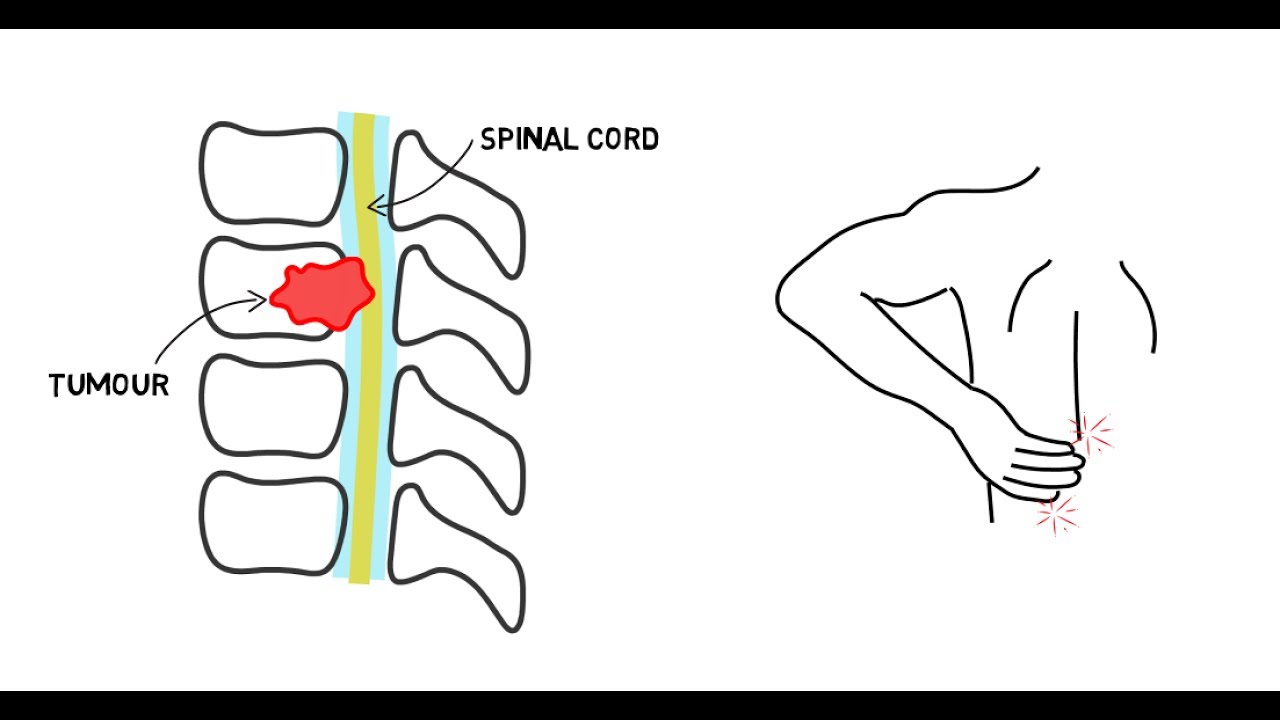

Understanding Spinal Compression
Spinal compression, also known as spinal cord compression, is a condition where pressure is applied to the spinal cord, leading to a variety of symptoms and potential complications. This condition can arise from several causes, including degenerative diseases, trauma, tumors, or infections.
Causes of Spinal Compression
Spinal compression can result from various factors, each contributing to the narrowing of the spinal canal or direct pressure on the spinal cord. Some common causes include:
- Degenerative Disc Disease: As people age, the intervertebral discs can degenerate, leading to a reduction in disc height and potential herniation, which can compress the spinal cord.
- Osteoarthritis: This condition can lead to the formation of bone spurs, which may encroach upon the spinal canal.
- Trauma: Injuries from accidents or falls can cause fractures or dislocations of the vertebrae, resulting in spinal compression.
- Tumors: Both benign and malignant tumors can grow within or near the spinal cord, exerting pressure on it.
- Infections: Conditions such as spinal epidural abscesses can lead to inflammation and compression of the spinal cord.
Symptoms of Spinal Compression
The symptoms of spinal compression can vary depending on the location and severity of the compression. Common symptoms include:
- Pain: Persistent back or neck pain is a common symptom, often radiating to other parts of the body.
- Numbness and Tingling: Patients may experience numbness, tingling, or a "pins and needles" sensation in the extremities.
- Weakness: Muscle weakness, particularly in the arms or legs, can occur, affecting mobility and coordination.
- Loss of Bladder or Bowel Control: Severe compression can lead to incontinence or difficulty with bladder and bowel function.
- Difficulty Walking: Gait disturbances and balance issues may arise due to nerve compression.
Diagnosis of Spinal Compression
Diagnosing spinal compression involves a combination of clinical evaluation and imaging studies. Key diagnostic steps include:
- Medical History and Physical Examination: A thorough history and physical exam help identify symptoms and potential causes.
- Imaging Studies:
* MRI (Magnetic Resonance Imaging): Provides detailed images of the spinal cord and surrounding structures, helping to identify the location and extent of compression.
* CT (Computed Tomography) Scan: Offers detailed cross-sectional images of the spine, useful for assessing bone structures.
* X-rays: Can reveal changes in the alignment of the spine or the presence of bone spurs.
Treatment Options for Spinal Compression
Treatment for spinal compression depends on the underlying cause, severity of symptoms, and overall health of the patient. Options include:
- Medications: Pain relievers, anti-inflammatory drugs, and corticosteroids can help manage symptoms.
- Physical Therapy: Exercises and physical therapy can improve strength, flexibility, and mobility.
- Surgery: In cases where conservative treatments fail, surgical intervention may be necessary to relieve pressure on the spinal cord. Common procedures include laminectomy, discectomy, and spinal fusion.
- Lifestyle Modifications: Weight management, ergonomic adjustments, and avoiding activities that exacerbate symptoms can be beneficial.
Preventing Spinal Compression
While not all cases of spinal compression can be prevented, certain measures can reduce the risk:
- Maintain a Healthy Weight: Reducing excess weight can decrease stress on the spine.
- Exercise Regularly: Strengthening the core muscles supports the spine and improves posture.
- Use Proper Lifting Techniques: Avoid lifting heavy objects improperly to prevent injury.
- Quit Smoking: Smoking can contribute to degenerative changes in the spine.
Honokiol exerts protective effects on neural myelin sheaths after compressed spinal cord injury.