Spinal Decompression
Return to Exercise Menu
Videos
SPINAL DECOMPRESSION / INVERSION MADE SUPER SIMPLE
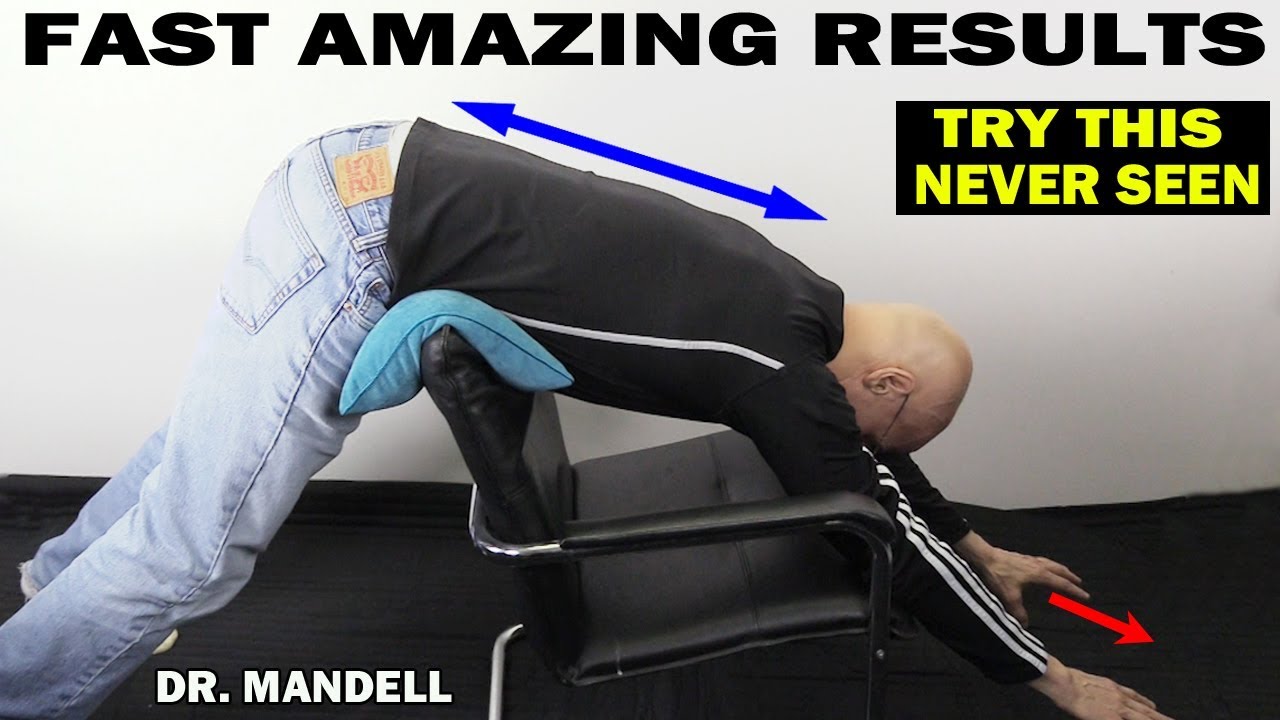
Rapid Spinal Decompression (My Triple Relief Techniques) - Dr Alan Mandell, DC
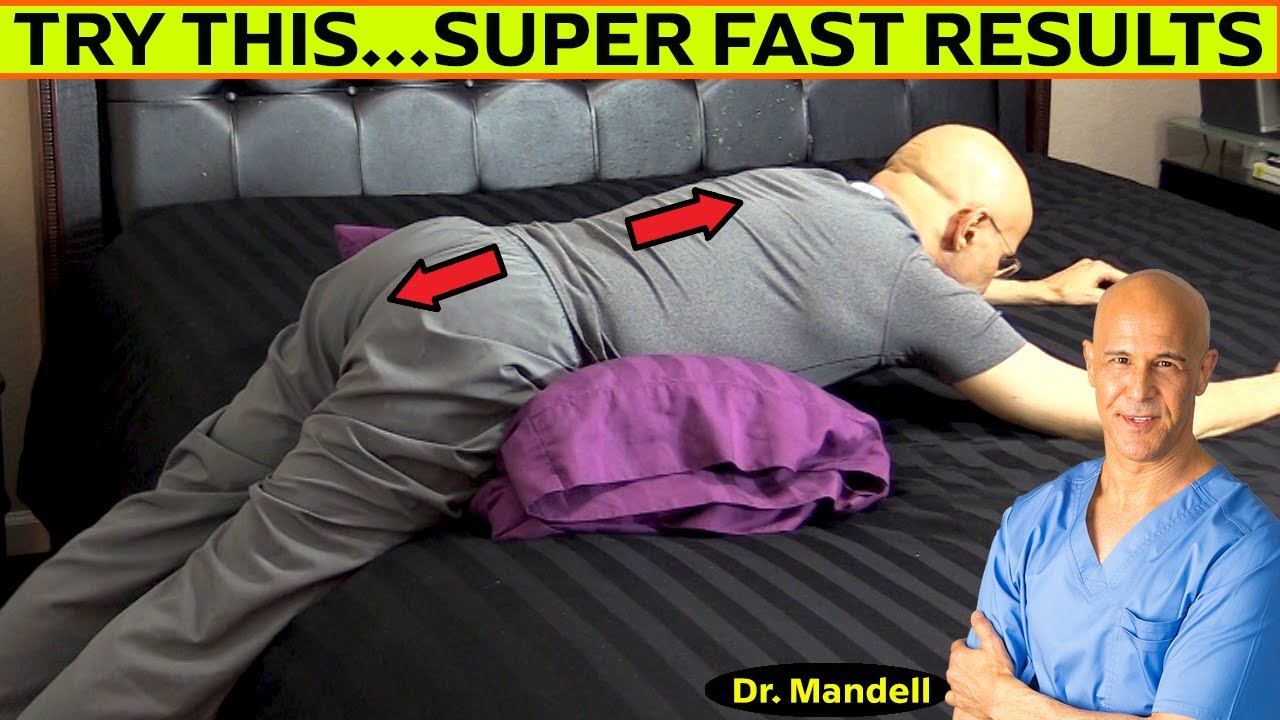
Spinal decompression is a therapeutic technique aimed at relieving pressure on the spinal cord or nerves. This procedure can be performed surgically or non-surgically, depending on the severity of the condition and the specific needs of the patient. It is commonly used to treat conditions such as herniated discs, degenerative disc disease, sciatica, and spinal stenosis.
Types of Spinal Decompression
1. Non-Surgical Spinal Decompression
Non-surgical spinal decompression involves the use of a traction table or similar motorized device to gently stretch the spine. The goal is to create negative pressure within the disc, which can help retract herniated or bulging discs, taking pressure off nerves and other structures in the spine. This process can also promote the movement of water, oxygen, and nutrient-rich fluids into the discs so they can heal.
- Procedure: The patient lies on a motorized table, and a harness is placed around the hips. The lower part of the table moves to provide traction and relaxation.
- Duration: Each session typically lasts 30 to 45 minutes, and a complete treatment plan may involve 20 to 28 sessions over five to seven weeks.
- Benefits: Non-invasive, no recovery time, and can be combined with other therapies like physical therapy or chiropractic care.
2. Surgical Spinal Decompression
Surgical spinal decompression is considered when non-surgical methods fail to relieve symptoms. There are several types of surgical procedures, each tailored to the specific condition and location of the problem.
- Laminectomy: Removal of the lamina, part of the vertebra that covers the spinal canal, to relieve pressure on the spinal cord or nerves.
- Discectomy: Removal of a portion of a herniated disc to relieve pressure on a nerve.
- Foraminotomy: Enlargement of the foramen, the passageway where a nerve root exits the spinal canal, to relieve nerve compression.
- Corpectomy: Removal of a vertebral body and adjacent discs to decompress the spinal cord and nerves.
Indications for Spinal Decompression
Spinal decompression is indicated for patients experiencing:
- Chronic back or neck pain
- Sciatica or radiculopathy
- Herniated or bulging discs
- Degenerative disc disease
- Spinal stenosis
- Facet syndrome
Benefits of Spinal Decompression
Spinal decompression, whether surgical or non-surgical, offers several benefits:
- Pain Relief: Reduces pressure on nerves, alleviating pain and discomfort.
- Improved Mobility: Restores range of motion and flexibility in the spine.
- Enhanced Healing: Promotes the flow of nutrients and oxygen to the affected area, aiding in recovery.
- Non-Invasive Options: Non-surgical decompression provides a non-invasive alternative with minimal risk.
Risks and Considerations
While spinal decompression can be highly effective, it is not without risks, especially in surgical procedures. Potential risks include:
- Infection
- Bleeding
- Nerve damage
- Recurrence of symptoms
- Reaction to anesthesia
Patients should discuss these risks with their healthcare provider to determine the best course of action.
Who Should Avoid Spinal Decompression?
Certain individuals may not be suitable candidates for spinal decompression, particularly non-surgical methods. These include:
- Pregnant women
- Patients with severe osteoporosis
- Individuals with spinal fractures
- Patients with metal implants in the spine
- Those with tumors or infections in the spine