Napping / Naps
Why Extra Naps Aren't Good for Everyone
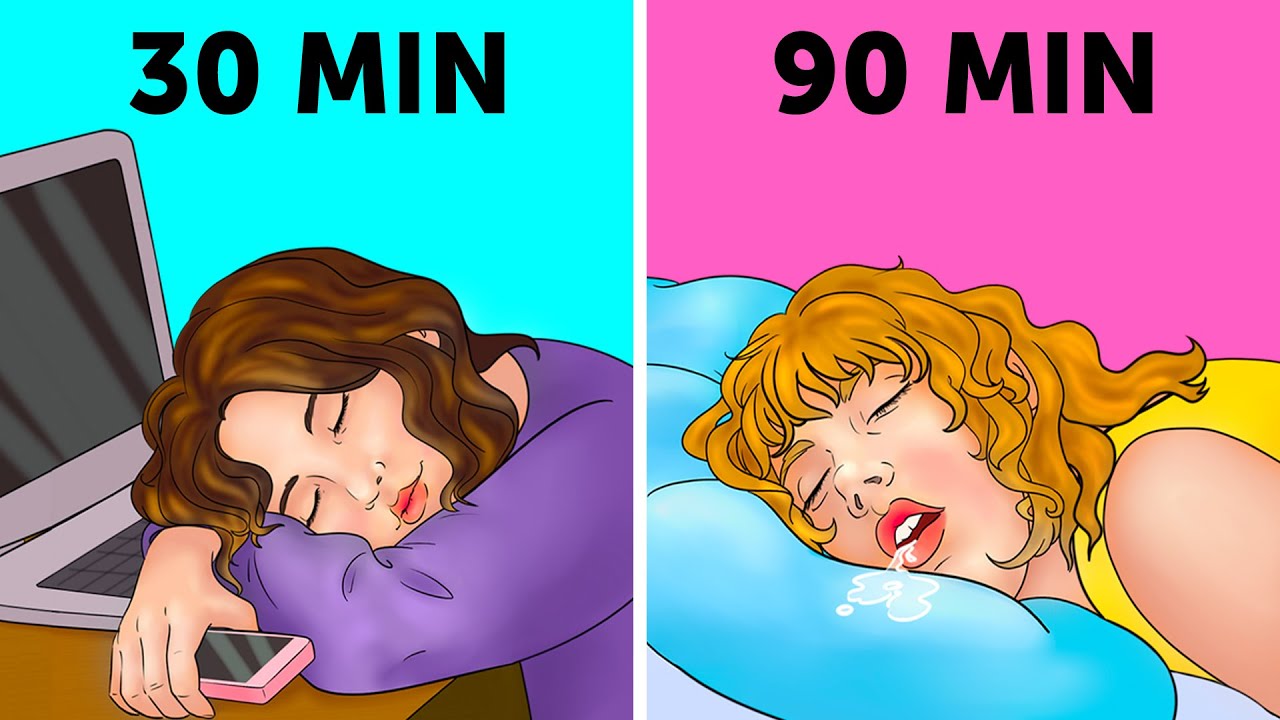
The best way to take a nap
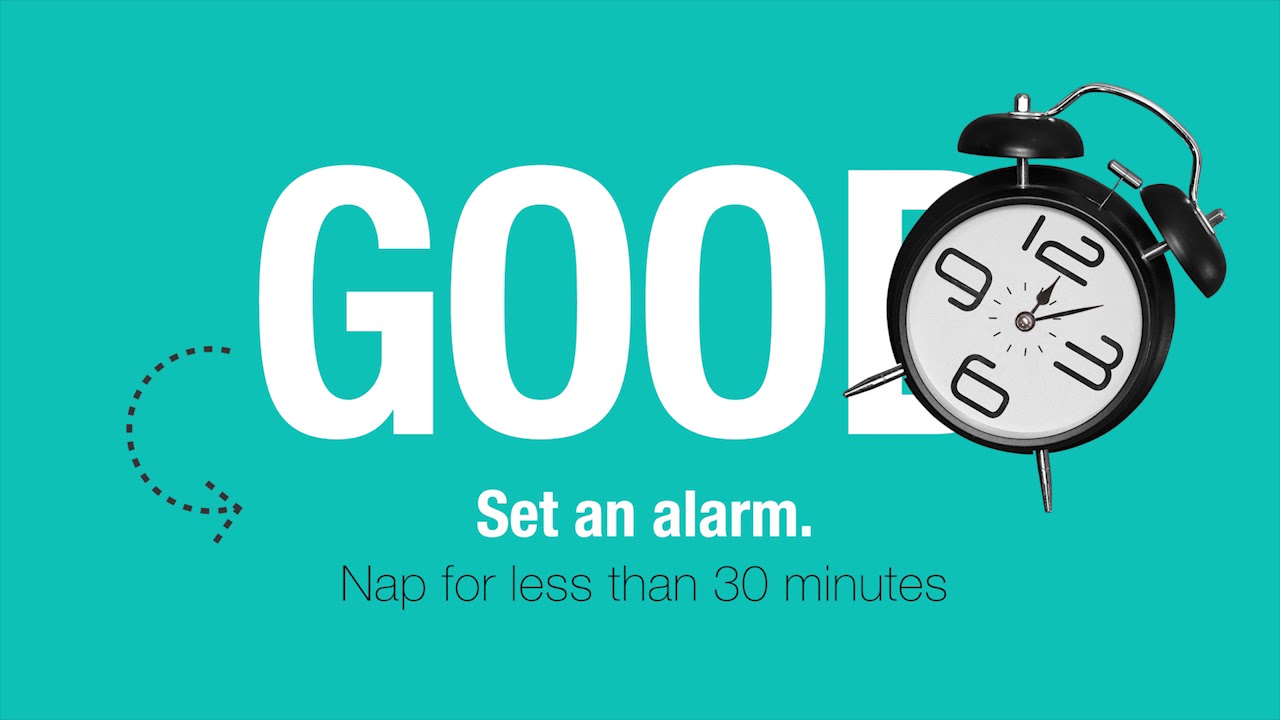
Long naps may be bad for health (https://www.sciencedaily.com/releases/2020/08/200826083021.htm) Many believe that lying down for a snooze is a harmless activity. But in newly presented research, scientists show that drifting off for more than one hour could be risky.
Brain Areas Take Micro-Naps While the Rest Stays Awake
New research shows sleep can be detected by brain activity patterns just milliseconds long. This study found small brain regions can momentarily "flicker" awake or asleep, challenging traditional views on sleep and wake states.
Extended napping in seniors may signal dementia (https://www.sciencedaily.com/releases/2022/03/220317111848.htm) Daytime napping among older people is a normal part of aging -- but it may also foreshadow Alzheimer's disease and other dementias. And once dementia or its usual precursor, mild cognitive impairment, are diagnosed, the frequency and/or duration of napping accelerates rapidly, according to a study.
Sleep engineering: Cardiff scientists working on designer rest
Long siesta-takers have higher BMIs and more likely to have metabolic syndrome
Daily Naps and Brain Training Reduce Dementia Risk
Exercising our brains with daily habits like naps and memory workouts, instead of relying on smartphones, can reduce the risk of age-related dementia. A new study highlights the superiority of human intelligence over AI. The study emphasizes nurturing our brain's potential for healthy aging. It also offers practical tips for boosting brain power and maintaining real intelligence.