Baltic Rush
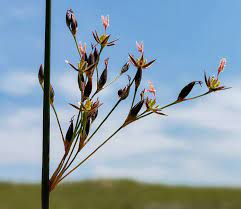
Baltic Rush, scientifically known as Juncus balticus, is a perennial plant species belonging to the Juncaceae family. This plant is commonly found in wetland areas across the Northern Hemisphere, including North America, Europe, and parts of Asia. It is particularly prevalent in coastal regions, marshes, and wet meadows, where it plays a crucial role in the ecosystem.
Description
Baltic Rush is characterized by its slender, cylindrical stems that can grow up to 1 meter (3.3 feet) in height. The stems are typically green but may turn brown as they age. The plant produces small, inconspicuous flowers that are clustered in tight, spherical heads. These flowers are usually brownish or greenish in color and bloom from late spring to early summer.
The leaves of Baltic Rush are reduced to sheaths that wrap around the base of the stems. This adaptation helps the plant conserve water in its often waterlogged habitat. The root system is extensive and fibrous, allowing the plant to anchor itself firmly in the soil and absorb nutrients efficiently.
Habitat and Distribution
Baltic Rush thrives in a variety of wetland habitats, including:
- Coastal marshes
- Salt flats
- Freshwater meadows
- Riverbanks
- Ditches
The plant is highly adaptable and can tolerate a range of soil types, from sandy to clayey, as long as the soil remains moist. It is also salt-tolerant, making it well-suited for coastal environments where saltwater intrusion is common.
In North America, Baltic Rush is found from Alaska to California and across the northern United States and Canada. In Europe, it is widespread from Scandinavia to the Mediterranean region. The plant is also present in parts of Asia, particularly in Russia and Mongolia.
Ecological Importance
Baltic Rush plays a significant role in wetland ecosystems. Some of its ecological contributions include:
- Erosion Control: The extensive root system of Baltic Rush helps stabilize soil and prevent erosion, particularly in coastal and riverbank areas.
- Habitat Provision: The plant provides habitat and shelter for various wildlife species, including birds, insects, and small mammals.
- Water Filtration: Baltic Rush helps filter and purify water by trapping sediments and absorbing pollutants, thereby improving water quality in wetland areas.
- Carbon Sequestration: Like other wetland plants, Baltic Rush contributes to carbon sequestration by capturing and storing carbon dioxide from the atmosphere.
Uses and Applications
Baltic Rush has several practical applications, both historically and in contemporary times:
- Traditional Uses: Indigenous peoples have used Baltic Rush for various purposes, including making mats, baskets, and other woven items. The plant's stems are flexible and durable, making them ideal for crafting.
- Erosion Control Projects: Due to its ability to stabilize soil, Baltic Rush is often used in erosion control and habitat restoration projects. It is planted along riverbanks, coastal areas, and other vulnerable sites to prevent soil loss and promote ecological recovery.
- Water Treatment: Baltic Rush is sometimes used in constructed wetlands and phytoremediation projects to treat wastewater and contaminated soils. Its ability to absorb pollutants makes it an effective natural filter.
Conservation and Management
While Baltic Rush is not currently considered a threatened species, its wetland habitats are often at risk due to human activities such as agriculture, urban development, and climate change. Conservation efforts focus on protecting and restoring wetland areas to ensure the continued survival of Baltic Rush and the many species that depend on it.
Effective management practices include:
- Wetland Restoration: Restoring degraded wetlands by reintroducing native plant species, including Baltic Rush, to improve habitat quality and biodiversity.
- Sustainable Land Use: Implementing sustainable land use practices that minimize habitat destruction and pollution, thereby preserving wetland ecosystems.
- Monitoring and Research: Conducting ongoing monitoring and research to better understand the ecological needs of Baltic Rush and the impacts of environmental changes on its populations.