Endoscopy
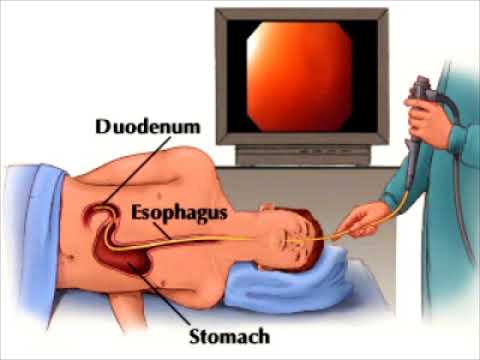
Who Needs an Upper Endoscopy?

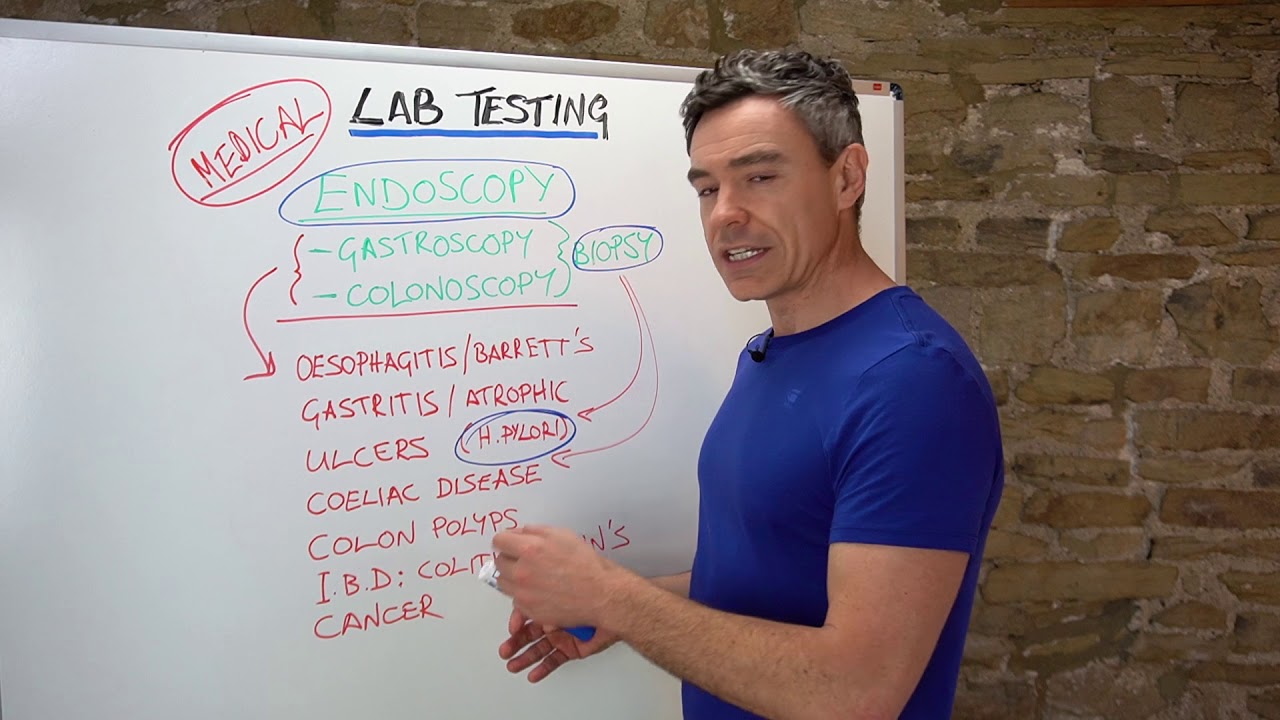
The benefits and drawbacks of endoscopy and colonoscopy testing
Endoscopy is a medical procedure that allows doctors to view the inside of a patient's body without making large incisions. This minimally invasive technique is crucial for diagnosing, monitoring, and treating various medical conditions. The procedure involves the use of an endoscope, a flexible tube with a light and camera attached to it, which transmits images of the internal organs onto a screen for examination.
Types of Endoscopy
Endoscopy can be classified into several types based on the area of the body being examined:
- Upper Endoscopy (Esophagogastroduodenoscopy or EGD): This procedure examines the esophagus, stomach, and the first part of the small intestine. It is often used to investigate symptoms such as persistent heartburn, nausea, vomiting, or difficulty swallowing.
- Colonoscopy: This type of endoscopy is used to inspect the colon and rectum. It is commonly performed to screen for colorectal cancer, investigate intestinal symptoms, and remove polyps.
- Bronchoscopy: This procedure allows doctors to look at the airways and lungs. It is used to diagnose lung diseases, infections, and tumors.
- Cystoscopy: This endoscopy examines the bladder and urethra. It is used to diagnose urinary tract infections, bladder stones, and cancers.
- Laparoscopy: Often referred to as keyhole surgery, this procedure examines the organs inside the abdomen. It is used for both diagnostic and surgical purposes, such as removing the gallbladder or appendix.
- Arthroscopy: This type of endoscopy is used to examine joints. It is commonly used to diagnose and treat joint problems, such as torn cartilage or ligaments.
The Endoscopy Procedure
The endoscopy procedure typically involves the following steps:
- Preparation: Patients may be required to fast for several hours before the procedure. Specific instructions depend on the type of endoscopy being performed. For instance, a colonoscopy may require a bowel prep to clear the intestines.
- Sedation: Most endoscopies are performed under sedation to ensure patient comfort. The level of sedation can vary from mild to deep, depending on the procedure and patient needs.
- Insertion of the Endoscope: The endoscope is gently inserted into the body through a natural opening, such as the mouth or anus, or through a small incision in the case of laparoscopy.
- Examination and Treatment: The doctor examines the images transmitted by the endoscope. If necessary, they can perform biopsies, remove polyps, or treat bleeding during the procedure.
- Recovery: After the procedure, patients are monitored until the effects of sedation wear off. They may experience mild discomfort, such as a sore throat or bloating, which usually resolves quickly.
Benefits of Endoscopy
Endoscopy offers several advantages over traditional surgical methods:
- Minimally Invasive: Endoscopy requires only small incisions or natural openings, reducing recovery time and the risk of complications.
- Accurate Diagnosis: The high-resolution images provided by the endoscope allow for precise diagnosis and targeted treatment.
- Therapeutic Capabilities: In addition to diagnosis, endoscopy can be used to perform therapeutic procedures, such as removing tumors or stopping bleeding.
- Early Detection: Endoscopy is an effective tool for early detection of diseases, such as cancer, which can significantly improve treatment outcomes.
Risks and Complications
While endoscopy is generally safe, it does carry some risks:
- Bleeding: There is a risk of bleeding, especially if a biopsy is taken or a polyp is removed.
- Infection: Although rare, there is a potential for infection at the site of insertion or in the area examined.
- Perforation: In rare cases, the endoscope can cause a tear in the organ being examined, which may require surgical repair.
- Sedation Risks: Sedation can cause adverse reactions, such as breathing difficulties or allergic reactions, particularly in patients with underlying health conditions.
Innovations in Endoscopy
Recent advancements in endoscopic technology have further enhanced its capabilities:
- Capsule Endoscopy: This involves swallowing a small, pill-sized camera that takes thousands of pictures as it travels through the digestive tract. It is particularly useful for examining the small intestine, which is difficult to reach with traditional endoscopy.
- Endoscopic Ultrasound (EUS): This combines endoscopy with ultrasound to obtain detailed images of the digestive tract and surrounding tissues. It is useful for staging cancers and assessing pancreatic and biliary diseases.
- Robotic Endoscopy: Robotic systems provide greater precision and control during endoscopic procedures, allowing for more complex interventions.