Tests for Digestive Problems
Return to Digestive System Disorders Menu
The benefits and drawbacks of scans and imaging tests for digestive problems
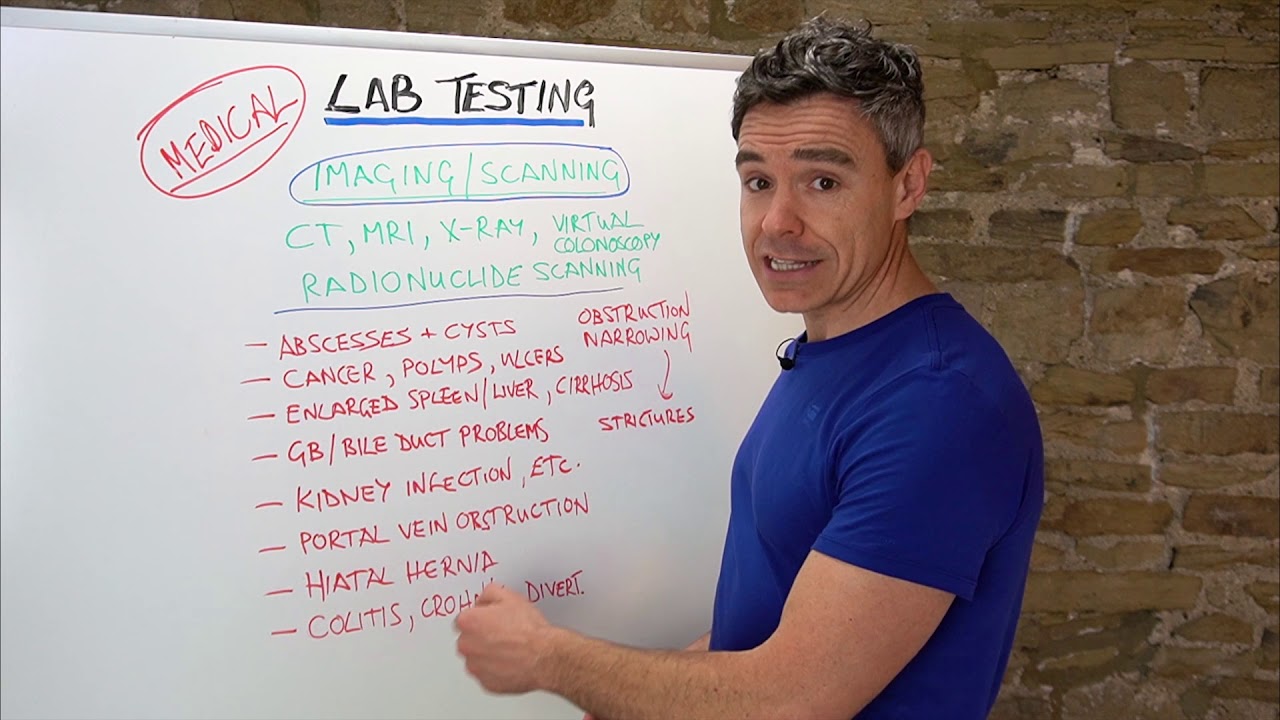
The benefits and drawbacks of ultrasound testing for digestive problems

Digestive problems can manifest in various forms, ranging from mild discomfort to severe conditions that require medical intervention. To accurately diagnose and treat these issues, healthcare professionals rely on a variety of tests. These tests help in identifying the underlying causes of digestive symptoms and guide appropriate treatment plans.
Common Symptoms of Digestive Problems
Before delving into the tests, it's important to recognize the symptoms that might necessitate such evaluations. Common symptoms include:
- Abdominal pain or discomfort
- Bloating and gas
- Diarrhea or constipation
- Heartburn or acid reflux
- Nausea and vomiting
- Unexplained weight loss
- Blood in stool
If these symptoms persist, it is crucial to consult a healthcare provider who may recommend specific tests to determine the cause.
Types of Tests for Digestive Problems
1. Blood Tests
Blood tests are often the first step in diagnosing digestive issues. They can help detect:
- Infections: Identifying bacterial, viral, or parasitic infections.
- Inflammation: Elevated levels of certain markers can indicate inflammation in the digestive tract.
- Nutrient Deficiencies: Such as iron, vitamin B12, and folate, which can suggest malabsorption issues.
2. Stool Tests
Stool tests analyze a sample of feces to check for:
- Infections: Bacteria, viruses, or parasites.
- Blood: Hidden blood in the stool can indicate bleeding in the digestive tract.
- Digestive Enzymes: To assess how well the digestive system is breaking down food.
3. Endoscopy
Endoscopy involves using a flexible tube with a camera to view the digestive tract. Types include:
- Upper Endoscopy (EGD): Examines the esophagus, stomach, and the first part of the small intestine. It is useful for diagnosing ulcers, celiac disease, and tumors.
- Colonoscopy: Inspects the colon and rectum, often used to screen for colorectal cancer and investigate causes of chronic diarrhea or bleeding.
- Capsule Endoscopy: Involves swallowing a small, pill-sized camera that takes images of the small intestine, useful for detecting sources of bleeding or Crohn's disease.
4. Imaging Tests
Imaging tests provide visual insights into the digestive system:
- Ultrasound: Uses sound waves to create images of organs, often used to examine the gallbladder, liver, and pancreas.
- CT Scan: Provides detailed cross-sectional images of the digestive tract, helpful in diagnosing appendicitis, bowel obstructions, and tumors.
- MRI: Offers detailed images of soft tissues and is useful for evaluating liver diseases and pancreatic conditions.
5. Breath Tests
Breath tests can diagnose certain digestive conditions by analyzing the gases in a patient's breath:
- Lactose Intolerance Test: Measures hydrogen levels after consuming lactose to determine if it is properly digested.
- Helicobacter pylori Test: Detects the presence of H. pylori bacteria, which can cause ulcers.
6. Biopsy
During an endoscopy, a small tissue sample may be taken for further analysis. A biopsy can help diagnose:
- Celiac Disease: By examining the small intestine's lining.
- Cancer: By identifying abnormal cells.
- Inflammatory Conditions: Such as Crohn's disease or ulcerative colitis.
Preparing for Digestive Tests
Preparation for these tests varies depending on the procedure:
- Fasting: Many tests require fasting for several hours beforehand.
- Bowel Preparation: For colonoscopy, a bowel cleanse is necessary to clear the colon.
- Medication Adjustments: Some medications may need to be paused or adjusted.
Patients should follow their healthcare provider's instructions carefully to ensure accurate results.
Risks and Considerations
While most digestive tests are safe, they do carry some risks:
- Invasive Procedures: Endoscopies and biopsies may cause discomfort, bleeding, or infection.
- Radiation Exposure: Imaging tests like CT scans involve radiation, though the risk is generally low.
- Allergic Reactions: Rarely, patients may react to contrast dyes used in imaging tests.
Discussing potential risks with a healthcare provider can help patients make informed decisions.