Anesthesia
People with red hair need about 20% more anesthesia than people with brown or blond hair, due to a gene that also makes them more sensitive to pain.
Videos
What you need to know
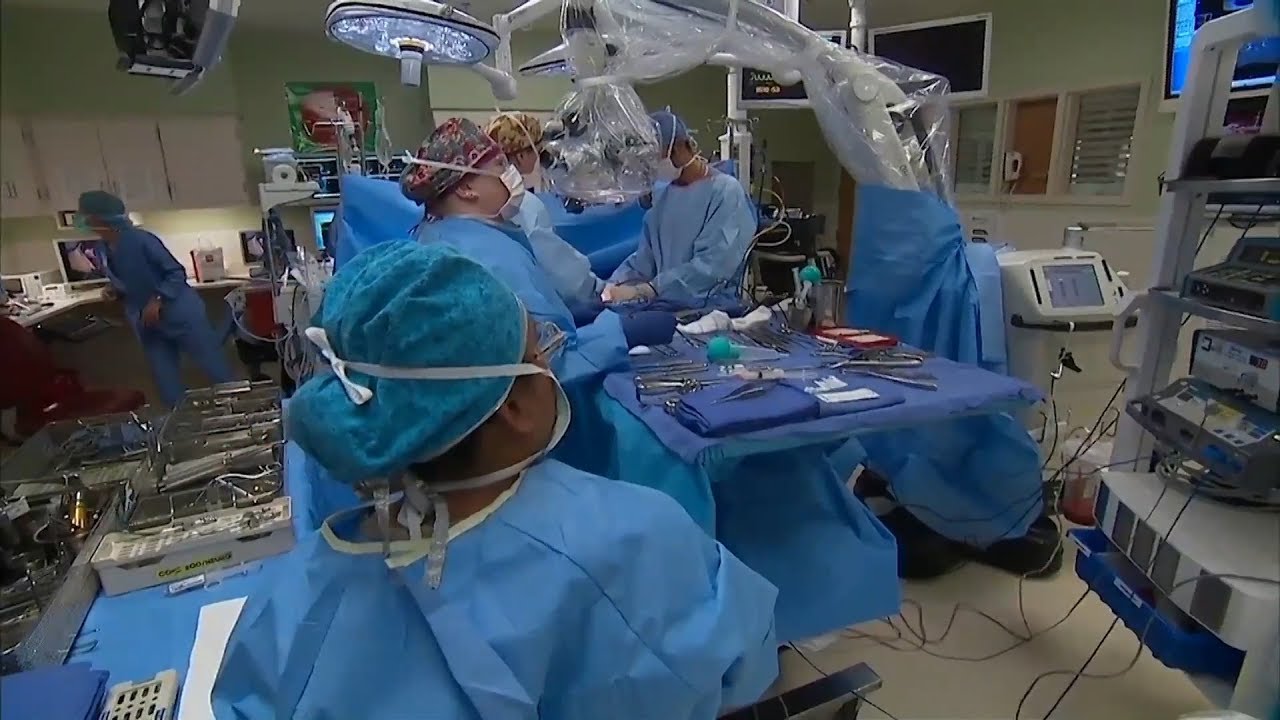
We Finally Know How Anesthesia Works

Rethinking General Anesthesia
The First Surgical Anesthetic
Micromorts: How Risky Is It to Go Under Anesthesia?
We Finally Know How General Anesthesia Works: An Anesthesiologist Explains
3 Things to Tell Your Anesthesiologist - Before You Go Under
AWARENESS UNDER ANESTHESIA
What Happens to Your Brain Under General Anesthesia?
Anesthesia of choice in high-risk pregnancy
The REAL Reason You Can't Sleep After Surgery
Anesthesia is a critical component of modern medicine, enabling millions of surgical procedures to be performed safely and painlessly each year. It involves the use of drugs to prevent pain during surgery and other medical procedures. The term "anesthesia" comes from the Greek words "an," meaning "without," and "aisthesis," meaning "sensation."
Types of Anesthesia
Anesthesia can be broadly categorized into three main types, each serving different purposes and applications:
- General Anesthesia: This type renders the patient completely unconscious and insensible to pain. It is typically used for major surgeries. General anesthesia involves a combination of intravenous drugs and inhaled gases (anesthetics) to achieve a state of deep sleep and pain relief.
- Regional Anesthesia: This type blocks pain in a specific area of the body. It includes techniques such as spinal anesthesia, epidural anesthesia, and nerve blocks. Regional anesthesia is often used for procedures on the lower body, such as childbirth or surgeries on the legs.
- Local Anesthesia: This involves numbing a small, specific area of the body. It is commonly used for minor procedures, such as dental work or skin biopsies. Local anesthetics are typically administered via injection or topical application.
Mechanism of Action
Anesthetics work by interfering with nerve signal transmission in the nervous system. They achieve this by:
- Inhibiting Nerve Impulses: Anesthetics block sodium channels on nerve cells, preventing the initiation and propagation of nerve impulses. This action effectively stops the transmission of pain signals to the brain.
- Modulating Neurotransmitter Activity: Some anesthetics enhance the activity of inhibitory neurotransmitters like gamma-aminobutyric acid (GABA), which reduces neuronal excitability and induces sedation.
- Altering Consciousness: General anesthetics affect the brain's reticular activating system, which is responsible for maintaining consciousness. By depressing this system, anesthetics induce a state of unconsciousness.
Considerations and Risks
While anesthesia is generally safe, it is not without risks. Several factors must be considered to minimize potential complications:
- Patient Assessment: Anesthesiologists conduct thorough preoperative assessments to evaluate a patient's medical history, allergies, and current medications. This helps in tailoring the anesthetic plan to the individual's needs.
- Monitoring: During anesthesia, patients are closely monitored for vital signs, including heart rate, blood pressure, oxygen levels, and breathing. This ensures any adverse reactions are promptly addressed.
- Side Effects: Common side effects of anesthesia include nausea, vomiting, sore throat, and dizziness. More serious complications, though rare, can include allergic reactions, respiratory issues, and cardiovascular problems.
- Recovery: Post-anesthesia care is crucial for ensuring a smooth recovery. Patients are monitored as they regain consciousness and are assessed for any lingering effects of the anesthetic.
Advances in Anesthesia
The field of anesthesia has seen significant advancements over the years, improving both safety and efficacy:
- New Anesthetic Agents: The development of new drugs with faster onset and shorter duration of action has enhanced the precision of anesthesia management.
- Enhanced Monitoring Technologies: Innovations in monitoring equipment allow for real-time assessment of a patient's physiological status, improving the ability to detect and respond to complications.
- Personalized Anesthesia: Advances in pharmacogenomics are paving the way for personalized anesthesia, where anesthetic plans are tailored based on a patient's genetic profile, potentially reducing the risk of adverse reactions.
Articles/Studies
- Anesthetic Drugs in Congenital Heart Disease
- Microglia Are Key Players in Awakening the Brain Post-Anesthesia
- Scientists unveil how general anesthesia works
- Herbal medicine and anesthesia.
- Herbal medications. Possible importance for anesthesia and intensive care medicine.
- Anesthesia's effect on consciousness solved, settling century-old scientific debate
- How do we disconnect from the environment during sleep and under anesthesia?
- Anesthesia After 40 Not Tied to Mental Decline
- Research advances technology of AI assistance for anesthesiologists
- Anesthesia Induces Unconsciousness by Destabilizing Brain Activity
Risk Factors
- Intraoperative Bronchospasm
- Anesthesia Doesn’t Simply Turn Off the Brain – It Dramatically Changes and Controls Its Rhythms
- Adolescent exposure to anesthetics may cause alcohol use disorder, new research shows
- Does general anesthesia increase dementia risk?
- Kids exposed to general anaesthestic have poorer development, literacy and numeracy scores
- Surgery patients at risk for herb-anaesthesia interactions
- Some surgical anesthetic compounds might be reduced on days associated with increased geomagnetic activity.
Improving Outcomes
- Music is Medicine: Exploring the Use of Melody as an Adjuvant to Regional Anesthesia in Obstetrics
- Passiflora incarnata Linneaus as an anxiolytic before spinal anesthesia.
- Acupuncture accelerates recovery after general anesthesia: a prospective randomized controlled trial
- Auricular acupressure significantly decreases nausea during the post-anesthesia care unit stay.