Intraoperative Bronchospasm
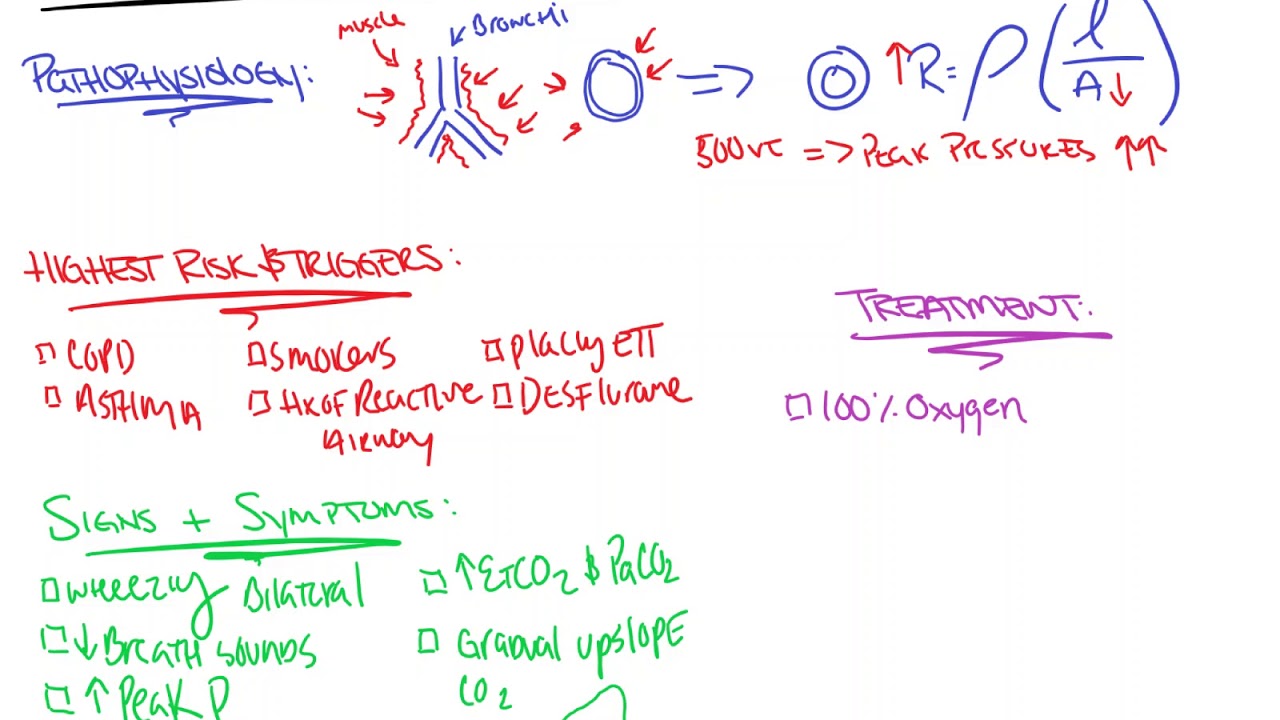
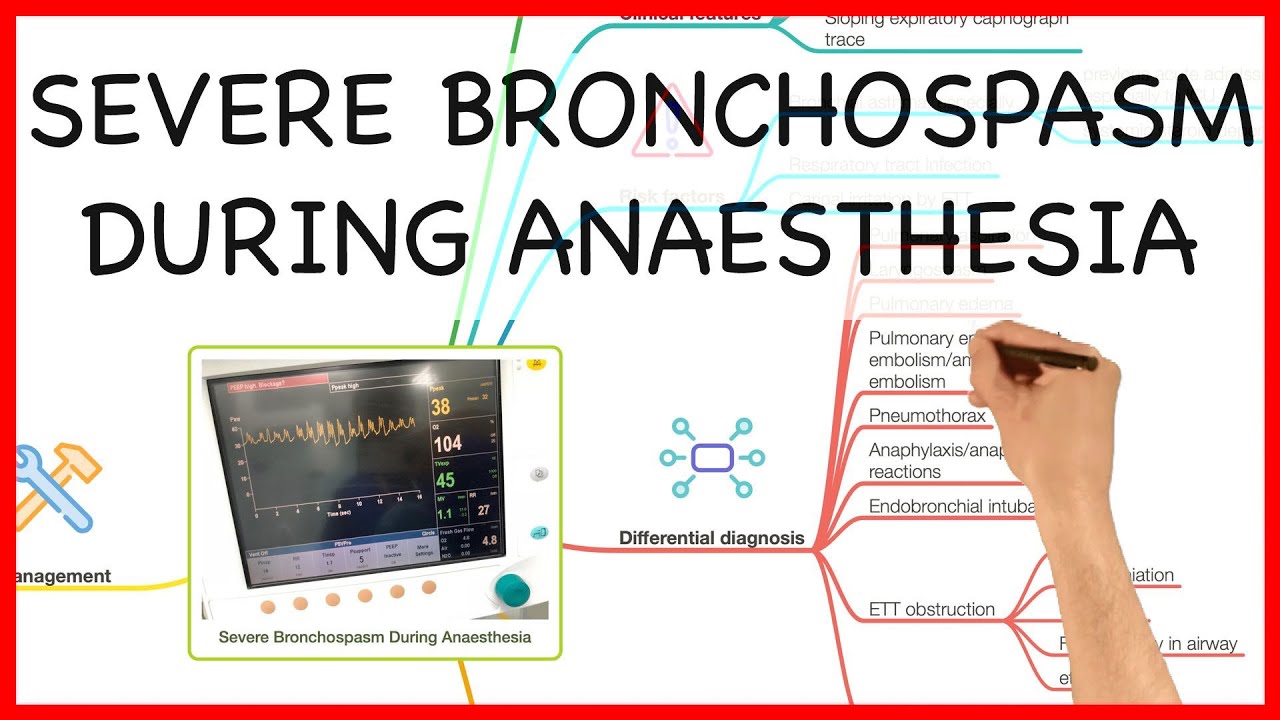
Intraoperative bronchospasm is a significant clinical event that can occur during surgery, posing challenges for anesthesiologists and surgical teams. It involves the sudden constriction of the bronchial muscles, leading to narrowed airways and difficulty in ventilation. This condition can be life-threatening if not promptly recognized and managed. Understanding its causes, symptoms, and management strategies is crucial for ensuring patient safety during surgical procedures.
Causes of Intraoperative Bronchospasm
Several factors can trigger bronchospasm during surgery:
- Anesthetic Agents: Some anesthetic drugs, particularly volatile anesthetics, can irritate the airways and induce bronchospasm.
- Allergic Reactions: Allergies to medications or latex used during surgery can lead to bronchospasm.
- Pre-existing Conditions: Patients with asthma or chronic obstructive pulmonary disease (COPD) are at higher risk.
- Mechanical Irritation: Endotracheal intubation or surgical manipulation near the airways can provoke bronchospasm.
- Environmental Factors: Cold operating room temperatures or exposure to smoke and dust can exacerbate airway reactivity.
Symptoms and Diagnosis
Recognizing the symptoms of intraoperative bronchospasm is critical for timely intervention. Key indicators include:
- Wheezing: A high-pitched whistling sound during breathing.
- Increased Airway Resistance: Difficulty in ventilating the patient, often noted by the anesthesiologist.
- Decreased Oxygen Saturation: A drop in blood oxygen levels, detectable via pulse oximetry.
- Hypercapnia: Elevated levels of carbon dioxide in the blood due to impaired ventilation.
Diagnosis is primarily clinical, based on the sudden onset of these symptoms during surgery. Anesthesiologists may use capnography to monitor end-tidal carbon dioxide levels, which can provide additional clues.
Management Strategies
Effective management of intraoperative bronchospasm involves a combination of pharmacological and non-pharmacological approaches:
Pharmacological Interventions
- Bronchodilators: Inhaled beta-agonists, such as albuterol, are the first line of treatment to relax bronchial muscles.
- Corticosteroids: Administered to reduce inflammation and prevent further episodes.
- Anticholinergics: Medications like ipratropium can be used to provide additional bronchodilation.
- Magnesium Sulfate: In severe cases, intravenous magnesium sulfate may be used for its muscle relaxant properties.
Non-Pharmacological Interventions
- Adjusting Ventilation: Modifying ventilator settings to reduce airway pressure and improve oxygenation.
- Ensuring Adequate Oxygenation: Providing supplemental oxygen to maintain optimal blood oxygen levels.
- Removing Triggers: Identifying and eliminating potential allergens or irritants in the operating room.
Prevention
Preventive measures are essential to minimize the risk of intraoperative bronchospasm:
- Preoperative Assessment: Identifying patients with a history of respiratory issues or allergies.
- Medication Review: Avoiding known triggers and using alternative anesthetic agents when necessary.
- Environmental Control: Maintaining a clean and temperature-controlled operating room environment.