Lopsided Rush
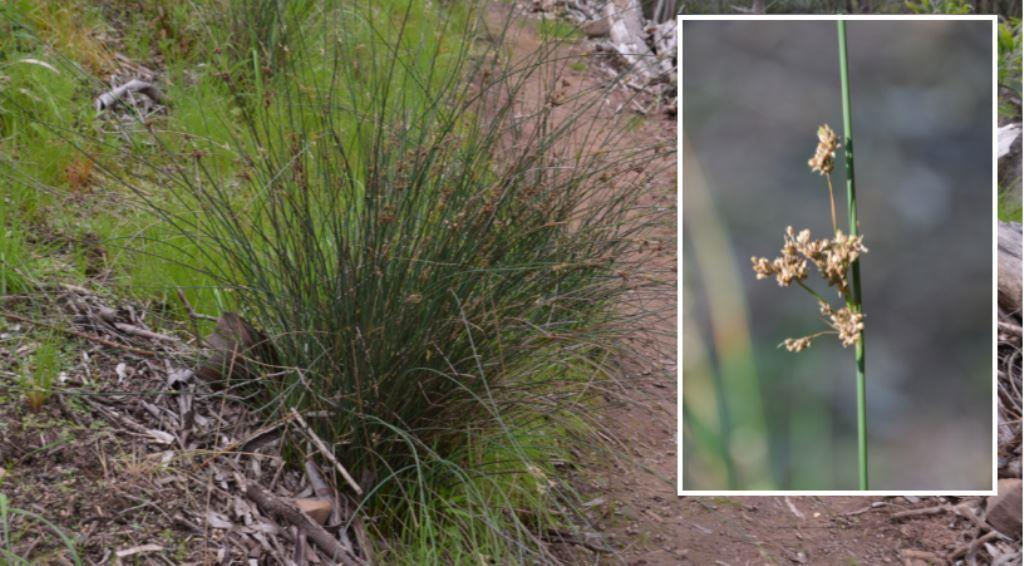
Lopsided Rush, scientifically known as Juncus secundus, is a perennial herbaceous plant belonging to the Juncaceae family. This species is commonly found in North America, particularly in the eastern United States. It thrives in a variety of habitats, including wetlands, meadows, and along stream banks. The plant is notable for its distinctive growth pattern and ecological significance.
Identification and Description
Lopsided Rush is characterized by its clumping growth habit and slender, cylindrical stems that can reach heights of up to 60 centimeters (about 24 inches). The stems are typically green and smooth, with a slightly glossy appearance. One of the most distinguishing features of Juncus secundus is its inflorescence, which tends to lean to one side, giving the plant its common name, "Lopsided Rush."
The leaves of Lopsided Rush are reduced to sheaths at the base of the stems, and true leaves are often absent or very small. The plant produces small, inconspicuous flowers that are arranged in clusters. These flowers are typically brownish or greenish and bloom from late spring to early summer. The fruit is a small, dry capsule that contains numerous tiny seeds.
Habitat and Distribution
Lopsided Rush is widely distributed across the eastern United States, from Maine to Florida and westward to Texas and Minnesota. It is commonly found in moist to wet environments, such as:
- Wet meadows
- Marshes
- Stream banks
- Ditches
- Wet prairies
The plant prefers acidic to neutral soils and can tolerate a range of moisture conditions, from consistently wet to seasonally dry. It is often found in areas with full sun to partial shade.
Ecological Importance
Juncus secundus plays a significant role in its native ecosystems. As a wetland species, it helps stabilize soil and prevent erosion along stream banks and in other wetland areas. The plant's dense root system binds the soil, reducing the impact of water flow and helping to maintain water quality by filtering sediments and pollutants.
Additionally, Lopsided Rush provides habitat and food for various wildlife species. The plant's seeds are consumed by birds and small mammals, while its dense clumps offer shelter for insects and other small creatures. The presence of Juncus secundus in wetland areas also supports a diverse community of plants and animals, contributing to overall biodiversity.
Cultivation and Uses
While Lopsided Rush is not commonly cultivated for ornamental purposes, it can be used in ecological restoration projects and natural landscaping. Its ability to thrive in wet conditions makes it an excellent choice for planting in rain gardens, constructed wetlands, and along the edges of ponds and streams. The plant's low maintenance requirements and resilience to varying moisture levels make it a valuable addition to restoration efforts aimed at improving water quality and habitat diversity.
In addition to its ecological benefits, Juncus secundus has some traditional uses. Native American tribes have historically used the plant for various purposes, including weaving mats and baskets. The stems of Lopsided Rush are flexible and durable, making them suitable for crafting and other practical applications.