Intermittent Fasting
Return to Food Menu
Our ancestors could not eat three meals every day. They consumed meals much less frequently, and often consumed one large meal per day or went for several days without food. Thus, they were adapted to intermittent fasting and intermittent ad lib feeding.
At rest we burn about a 50/50 mix of carbs and fat.
People like Brian Johnson and David Sinclair insist that this is another key to being healthy and living longer. The data is very clear that this is the way to go if you want to be healthy in your 80s and 90s ... but now it is difficult to say the data is clear because we still don't have the details on exactly how human humans should fast. Charles Darwin's old variation of species idea would suggest that different people of different ages in different geographical regions with different genetics and different diets might need their own personalized set of fasting specifics. But one study in 2024, published in nature, examined how different levels of caloric restriction and intermittent fasting affected the health and lifespan of genetically diverse female mice. Dietary restriction impacts health and lifespan of genetically diverse mice Researchers found that both caloric restriction and intermittent fasting extended lifespan in proportion to the degree of restriction with 40% caloric restriction having the strongest effect. However, they also observed that while these dietary interventions increased lifespan they did not necessarily improve health. Some interventions led to loss of lean mass and changes in the immune system that could increase susceptibility to infections.
Videos
Important Changes to Intermittent Fasting in 2025 - New Guide to Lose Fat & Build Muscle

Emphasizes burst fasting (intermittent 18 hour fasts for 3-5 days in a row, then 3-5 days off of fasting.).Try to consume less carbs on fasting days.Have separate high calorie fasting days and low calorie fasting days. 18:6 is the new 16:8. For fat loss: 30-40 minutes resistance training on fasting days, 15-20 minutes cardio on non-fasting days. For fat loss, the most important thing during a fast is muscle preservation.
2025: New Studies Reveal the BEST Type of Intermittent Fasting
Making it easier:
Hunger
Ketosis & Intermittent Fasting
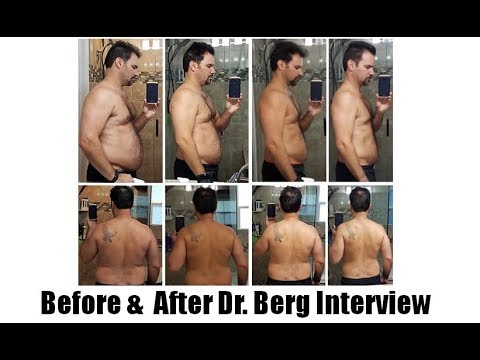
This is When Fat Loss Starts with Intermittent Fasting (lose belly fat 101)

Understanding Intermittent Fasting
Intermittent fasting (IF) is a popular dietary approach that involves cycling between periods of eating and fasting. Unlike traditional diets that focus on what to eat, intermittent fasting is more concerned with when you eat. This eating pattern has gained significant attention for its potential health benefits, including weight loss, improved metabolic health, and even longevity.
Types of Intermittent Fasting
There are several methods of intermittent fasting, each with its own unique approach:
- 16/8 Method: This is one of the most popular forms of intermittent fasting. It involves fasting every day for 14-16 hours and restricting your daily eating window to 8-10 hours. Within the eating window, you can fit in two, three, or more meals.
- 5:2 Diet: In this method, you consume normally for five days of the week and restrict calorie intake to 500-600 calories on the other two days.
- Eat-Stop-Eat: This involves a 24-hour fast once or twice a week. For example, you might fast from dinner one day to dinner the next day.
- Alternate-Day Fasting: As the name suggests, this involves fasting every other day. Some versions allow about 500 calories during fasting days.
- Warrior Diet: This involves eating small amounts of raw fruits and vegetables during the day and having one large meal at night, essentially fasting for 20 hours.
- Spontaneous Meal Skipping: This is a more flexible approach where you skip meals when convenient, such as when you're not hungry or too busy to cook.
Health Benefits of Intermittent Fasting
Intermittent fasting has been associated with a variety of health benefits:
- Weight Loss: By reducing the number of meals consumed, intermittent fasting can lead to an automatic reduction in calorie intake. Additionally, it enhances hormone function to facilitate weight loss.
- Improved Metabolic Health: Intermittent fasting can improve various metabolic markers, including insulin sensitivity, blood sugar levels, and inflammation.
- Heart Health: Some studies suggest that intermittent fasting can improve heart health by reducing risk factors such as blood pressure, cholesterol levels, and triglycerides.
- Brain Health: Fasting increases the production of brain-derived neurotrophic factor (BDNF), a protein that supports brain health. It may also help protect against neurodegenerative diseases.
- Longevity: Animal studies have shown that intermittent fasting can extend lifespan. While human studies are limited, the potential for increased longevity is promising.
Potential Drawbacks and Considerations
While intermittent fasting can offer numerous benefits, it may not be suitable for everyone. Here are some considerations:
- Hunger and Cravings: Fasting can lead to increased hunger and cravings, especially in the initial stages.
- Nutrient Deficiency: Restricting eating windows may lead to insufficient nutrient intake if not planned properly.
- Social and Lifestyle Impact: Fasting can interfere with social gatherings and traditional meal times, which may be challenging for some individuals.
- Not Suitable for Everyone: Pregnant or breastfeeding women, individuals with a history of eating disorders, and those with certain medical conditions should consult a healthcare professional before starting intermittent fasting.
Tips for Successful Intermittent Fasting
To maximize the benefits of intermittent fasting, consider the following tips:
- Stay Hydrated: Drink plenty of water and non-caloric beverages during fasting periods to stay hydrated.
- Eat Nutrient-Dense Foods: Focus on whole, nutrient-dense foods during eating periods to ensure adequate nutrition.
- Listen to Your Body: Pay attention to hunger cues and adjust your fasting schedule as needed.
- Be Patient: It may take time for your body to adjust to a new eating pattern. Start slowly and gradually increase fasting periods.
- Consult a Professional: If you have any health concerns or conditions, consult a healthcare professional before starting intermittent fasting.
Articles/Studies
- A Clinician's Experience of 15 Years of Intermittent Fasting
- Popular Intermittent Fasting Diet Fails Key Scientific Test
Intermittent fasting may not boost metabolism without cutting calories, according to new research. A new study from the German Institute of Human Nutrition Potsdam-Rehbruecke (DIfE) and Charité – Universitätsmedizin Berlin challenges common beliefs about intermittent fasting.
- Intermittent Fasting Exacerbates the Acute Immune and Behavioral Sickness Response to the Viral Mimic Poly(I:C) in Mice
- Intermittent fasting linked to higher risk of cardiovascular death, research suggests
- Impact of intermittent fasting on the gut microbiota.
- Intermittent Fasting: Is the Wait Worth the Weight?
- Intermittent fasting is effective for weight loss and improves cardiovascular health in people with obesity problems Scientists have conducted a pioneering study on the benefits of intermittent fasting. Not eating anything from 5 p.m. until 9 a.m. the following day (early fasting) helps to a greater extent to improve blood sugar regulation and reduce abdominal subcutaneous fat, i.e. the fat just under the skin.
- Intermittent fasting from dawn to sunset for four consecutive weeks induces anticancer serum proteome response and improves metabolic syndrome.
- Intermittent fasting protects against Alzheimer's disease.
- Practicality of Intermittent Fasting in Humans and its Effect on Oxidative Stress and Genes Related to Aging and Metabolism In this study, when they fasted they had a 2.7% increase of Sirt3 expression, a pathway that stops free radical production. However, when they added antioxidants, vitamin C and E, it completely eradicated the effect. Taking antioxidants killed the effect of the fast. Take vitamin C AFTER your fast! Don't take vitamin C with sugar or carbs because vitamin C competes for the same SVCT transporter.
- Beneficial Effects of Mild Stress (Hormetic Effects): Dietary Restriction and Health
- Health effects of intermittent fasting: hormesis or harm?
- Effects of Intermittent fasting on body composition and clinical health markers in humans
- Flipping the Metabolic Switch: Understanding and Applying the Health Benefits of Fasting The metabolic switch usually occurs between 12 and 36 hours after cessation of food consumption, depending on the liver glycogen content at the beginning of the fast, and on the amount of the individual’s energy expenditure/exercise during the fast. More than ½ of the total increase in lipid kinetics between 12 and 72 h of fasting had occurred by 24 h of fasting.
- Intermittent versus daily calorie restriction: which diet regimen is more effective for weight loss?
Same weight loss for both.
When you fast for 16+ hours you have an elevation of ketones
The biggest effect of fasting for 12 hours is the gut microbiome reset. A short-term fast kills pathogenic bacteria faster than beneficial bacteria. Then when you eat again you have an opportunity to feed the good bacteria. An approach for dysbiosis.
Eat when you are most insulin sensitive, after a workout following a fast, as little as 12 hour fast.
Effect of an acute fast on energy compensation and feeding behavior in lean men and women
Allowing individuals to consume the fast day meal at dinner or small meals produces similar weight loss and cardio-protection as consuming the meal at lunch. This flexibility in meal timing may increase tolerability and long-term adherence to alternate day fasting protocols.
Subjects could eat all they want of above ground vegetables on the “fasting day” and non-caloric beverage (tea, black coffee). After 8 weeks they lost an average of 13 pounds and 2 inches off the waist.
In this study they ate ¼ of calorie needs every other day, weight varied from loss of 37 pounds to a gain of 8 pounds. The difference wasn’t how much they feasted on their feast days but how much they complied on their fast days.
10 out of 10 fasting studies showed significant reductions in body fat.
Alternate Day Fasting: Effects on Body Weight and Chronic Disease Risk in Humans and Animals
Small short-term studies showed about a 4-8% drop in body weight after 3-12 weeks. Reductions in visceral fat ranged 4-10% from baseline in humans and animals.
Continuous alternate-day 0 calorie fasting compared with daily 400 calorie restriction for 8 weeks. Both groups lost about 17Lbs and follow up 6 months later after trial ended, both groups maintained a similar degree of weight loss (about 12 lbs lost)
Compensatory mechanisms activated with intermittent energy restriction: A randomized control trial
Strong compensatory responses, with reduced resting metabolic rate (RMR), increased exercise efficiency and appetite, are activated when weight loss is achieved with continuous energy restriction which try to restore energy balance. Intermittent energy restriction, where short spells of energy restriction are interspaced by periods of habitual energy intake may offer some protection in minimizing those responses. The technique used to achieve energy restriction, whether it is continuous fasting or intermittent fasting, does not appear to modulate the compensatory mechanisms activated by weight loss. Increased appetite and slower metabolism plague both intermittent and continuous caloric restriction.
The drop-out rate in the alternate-day fasting group (38%) was higher than that in the daily caloric restriction group (29%) and the control group (25%)…Taken together, these findings suggest that alternate-day fasting may be less sustainable in the long term, compared with daily calorie restriction, for most obese individuals.
- Science Confirms Terry Crew's Explanation of how intermittent fasting keeps him in amazing shape
- Does Skipping Breakfast Help with Weight Loss
- Feasting and Fasting
- Intermittent fasting preserves beta-cell mass in obesity-induced diabetes via the autophagy-lysosome pathway.
- Intermittent fasting prompted recovery from dextran sulfate sodium-induced colitis in mice
- No effect of 24h severe energy restriction on appetite regulation and *ad libitum* energy intake in overweight and obese males
- Reliability of hunger-related assessments during 24-hour fasts and their relationship to body composition and subsequent energy compensation
Restricted to 500 calories every other day…This study is the first to show that obese subjects become habituated with alternate day moderated fasting after approximately 2 weeks of diet (i.e., feel very little hunger on the fast day).
- Alternate day fasting for weight loss in normal weight and overweight subjects: a randomized controlled trial
- Intermittent Fasting Promotes White Adipose Browning and Decreases Obesity by Shaping the Gut Microbiota.
- Can Changing When And What We Eat Help Outwit Disease?
- Intermittent fasting combined with supplementation with Ayurvedic herbs reduces anxiety in middle aged female rats.
- Intermittent fasting attenuates increases in neurogenesis after ischemia and reperfusion and improves recovery