Crossvine
Profile
Tincture Product containing Crossvine
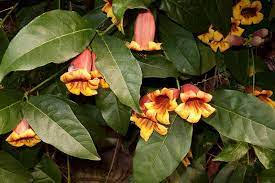
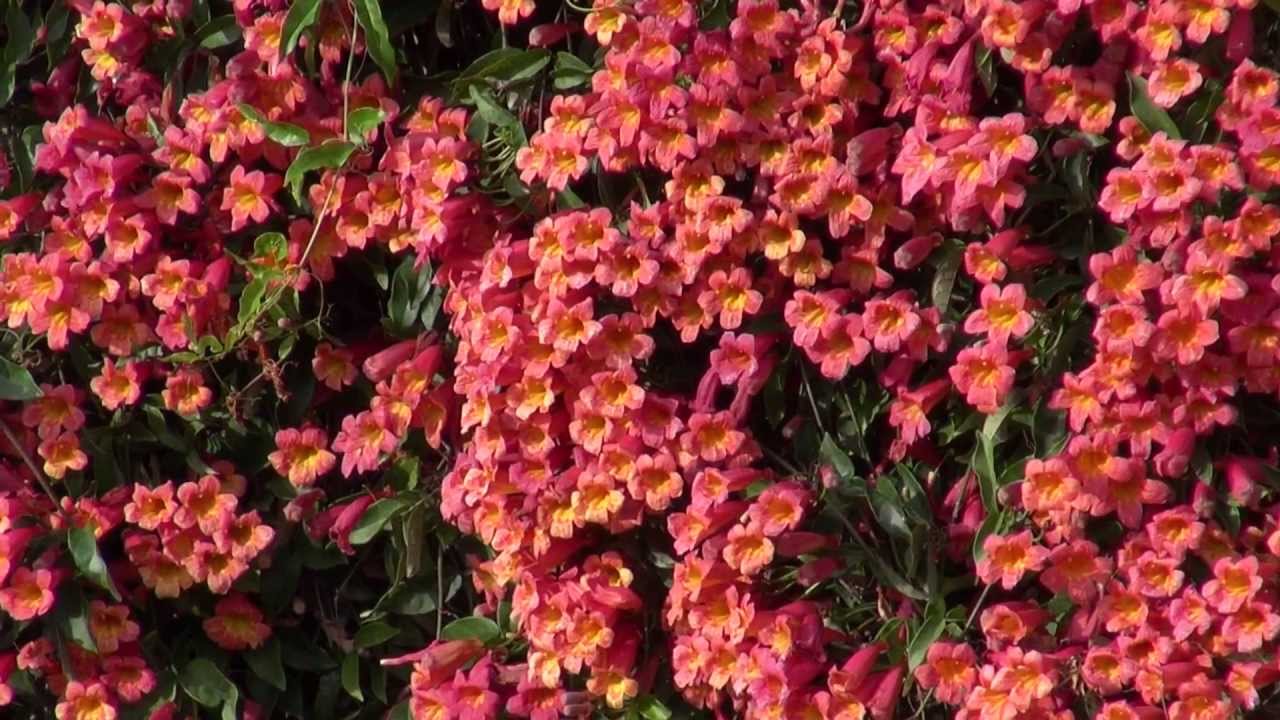
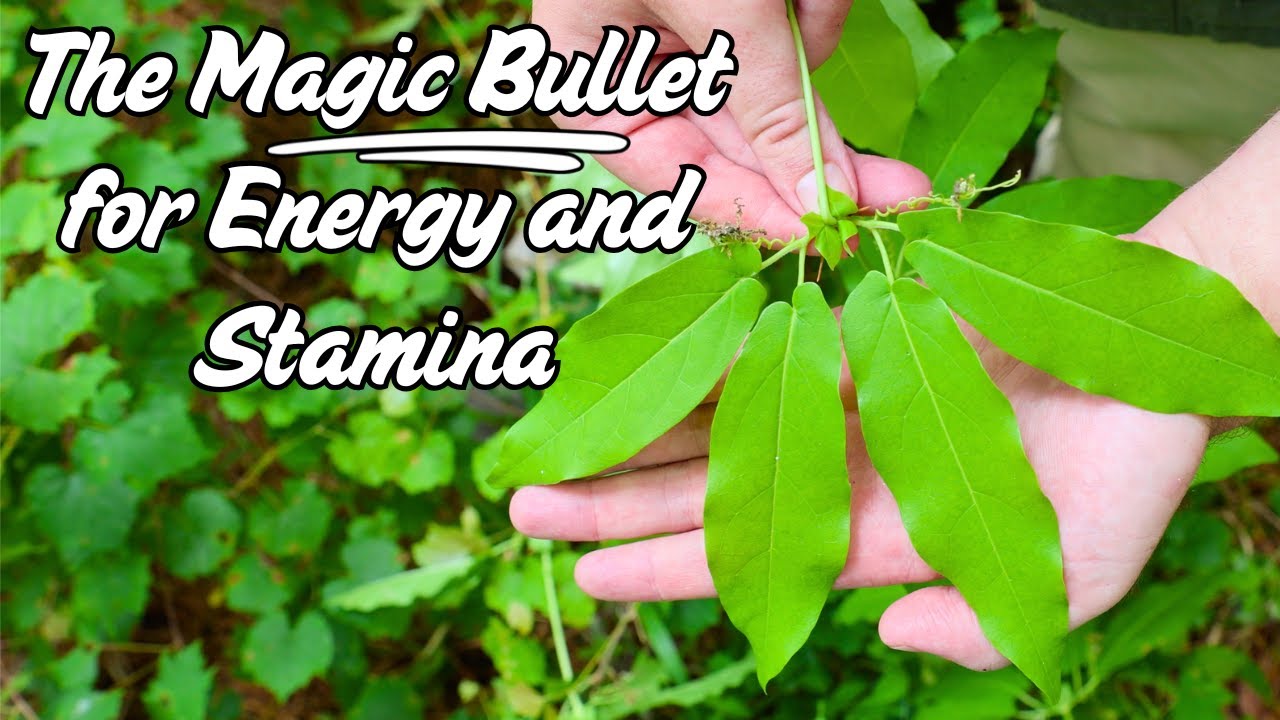
Bignonia capreolata, commonly known as crossvine, is a flowering vine native to the southeastern United States.
Appearance and Characteristics
One of the most striking features of Bignonia capreolata is its showy flowers that bloom in late spring to early summer. The trumpet-shaped blossoms can vary in color from shades of orange and red to yellow, attracting pollinators such as hummingbirds and butterflies. The foliage of the crossvine is equally appealing, with glossy green leaves that provide an attractive backdrop to the colorful flowers.
Bignonia capreolata is a fast-growing vine that can reach heights of up to 50 feet, making it an excellent choice for covering fences, arbors, and trellises. Its twining stems allow it to climb and cling to various surfaces, creating a lush and verdant display in the garden. Additionally, the plant's ability to produce tendrils or aerial roots helps it establish a strong foothold as it ascends vertical structures.
Phytochemical Research
Recent scientific investigations have focused on identifying the active compounds in B. capreolata.
Reserpine Identification: The presence of the indole alkaloid reserpine in B. capreolata has been confirmed. This is considered a significant botanical discovery because B. capreolata is the only known plant outside of the Apocynaceae plant family to contain this indole alkaloid. Reserpine is a drug used to treat high blood pressure.
Reserpine Concentration: Initial verification of reserpine using high-performance liquid chromatography found it to be 49 g per gram of leaf. More precise quantification showed reserpine concentration at 233 ± 4.7 µg/g in dried leaves. However, reserpine levels in B. capreolata are significantly lower compared to Rauwolfia species, which can reach 33 mg/g. The identification was performed using LC-MS, noting a retention time of 7.87 minutes and a matching m/z.
Therapeutic Potential and Caution: The presence of reserpine suggests potential therapeutic benefits for B. capreolata, but caution is advised, particularly for individuals with low blood pressure or depression.
Investigation of indole alkaloids in Bignonia capreolata
MEDICINAL USES OF BIGNONIA CAPREOLATA
Energy, Fatigue & Motivation
Several herbal educators describe crossvine as a tonic for fatigue, low energy, and reduced motivation, supporting both physical stamina and mental focus.
Nervous System & Mood Support
Crossvine is traditionally used to help with:
- Mental well‑being
- Focus and clarity
- General vitality and uplift
These uses are often tied to its reputation as a restorative herb for people feeling depleted or sluggish.
Fluid Balance & Edema
Traditional sources list crossvine as supportive for edema, suggesting historical use in managing excess fluid retention.
Rheumatism & Pain‑Related Conditions
Crossvine has been cited as helpful for rheumatism, indicating a role in traditional approaches to joint discomfort or chronic inflammatory states.
Headaches
Historical herbal references include crossvine as a plant used for headache relief.
Blood Purification (Traditional Use)
Some traditions describe crossvine as a blood purifier, a broad category in folk herbalism referring to herbs believed to support detoxification or systemic cleansing.
Diphtheria (Historical/Folk Use)
Older sources mention its use in cases of diphtheria, though this is strictly historical and not a modern medical application.
NOTES FOR HERBAL PRACTICE
- These uses come from traditional, folk, and contemporary herbalist sources rather than clinical trials.
- Crossvine is not widely used in modern Western herbalism, so information is limited compared to more common nervines or tonics.
- Always consider safety, contraindications, and proper identification before working with any plant.
Traditional Medicinal Uses
Historically, various Native American tribes employed B. capreolata for specific ailments.
- Blood Purification: An infusion of the leaves was traditionally used by Native Americans, including the Cherokee, as a blood purifier or alterative herb. The "country people of Carolina" also boiled pieces of the vine with other roots in their beer during spring for a "diet drink" to "attenuate and purify the blood and juices".
- Rheumatism: The Koasati people used an infusion of the leaves for rheumatism. The leaves of Bignonia capreolata, Hypericum hypericoides subsp. hypericoides and Cephalanthus occidentalis are boiled with the roots of Baptisia leucantha, Liatris acidota and Erythrina herbacea.
- Headaches: A bark decoction was used by the Koasati for headaches. The patient drinks and bathes in a decoction of the boiled bark
- Edema/Dropsy: The Choctaw used a decoction of the mashed bark as a steambath for dropsy. Additionally, the bark was used in baths as a remedy for edema. The bark is mashed with that of Magnolia grandiflora and boiled. The patient bathes in the steam from the boiling decoction.
- Diphtheria: Individuals with diphtheria gargled a mashed root infusion.
- Energy and Stamina: Crossvine has been suggested as an adaptogenic herb for fatigue and exhaustion, gradually increasing overall energy levels and stamina without a crash. It is believed to help the body deal with stress and life changes.
Cardiovascular
Crossvine, contains the indole alkaloid reserpine, which is primarily responsible for its observed cardiovascular effects. Reserpine has a known history as a hypotensive (blood pressure-lowering) and antipsychotic drug, although its use as a first-line treatment has diminished due to potential side effects.
Hypotensive Effects
Reserpine is well-documented for its ability to reduce blood pressure. This hypotensive action is primarily achieved by depleting catecholamines and other monoamine neurotransmitters from peripheral sympathetic nerve endings. These neurotransmitters are crucial for controlling heart rate, the force of cardiac contraction, and peripheral vascular resistance. Studies on reserpine have shown that it can cause mild and slow lowering of arterial blood pressure, with more significant drops observed in hypertensive individuals compared to normotensive ones. The blood pressure-lowering effect may also be attributed to a decrease in peripheral vascular resistance.
Bradycardic Effects
In addition to lowering blood pressure, reserpine can reduce heart rate, leading to bradycardia. The mechanism behind this effect involves the stimulation of cardiac muscarinic receptors, either directly or indirectly, and a decrease in peripheral resistance. This action is consistent with observations in animal models where reserpine induced dose-dependent bradycardia.
High Blood Treatment
Reserpine works by reducing blood pressure and potentially heart rate. Early researchers extracted reserpine from the vine, noting its use in treating hypertension. The presence of reserpine has been confirmed by scientific analysis, with concentrations found at 49 µg per gram of leaf in some studies and 233 ± 4.7 µg/g in dried leaves in others.
Despite the presence of reserpine, which is effective in reducing systolic blood pressure, B. capreolata itself is not a scientifically proven treatment for high blood pressure. Most references to its antihypertensive use are based on ethnobotanical accounts or anecdotal evidence rather than robust scientific validation.
Reserpine in Modern Medicine
Reserpine has been used historically as a first-line therapy for reducing blood pressure and is now more commonly used as a second-line treatment. It is considered an antipsychotic and antihypertensive drug, used for controlling high blood pressure and relieving psychotic symptoms due to its calming effect. Clinical studies on reserpine, separate from the whole plant, have demonstrated its effectiveness in reducing systolic blood pressure, similar to other first-line antihypertensive drugs. For instance, a proof-of-concept study showed that reserpine lowered mean systolic and diastolic automated office blood pressure by 29.3 ± 22.2 and 22.0 ± 15.8 mm Hg, respectively, in patients with refractory hypertension.
Impact on Sympathetic Tone
Reserpine functions as an irreversible inhibitor of the vesicular monoamine transporter, which leads to catecholamine depletion and a subsequent decrease in sympathetic tone. This reduction in sympathetic tone contributes to both the hypotensive and bradycardic effects observed. While subjective accounts suggest that ingesting an infusion of B. capreolata leaves can be energizing, it's hypothesized that alterations in sympathetic tone caused by reserpine could promote restfulness and feelings of rejuvenation.
Broader Cardiovascular Implications
The presence of reserpine indicates its potential therapeutic value in managing cardiovascular conditions like hypertension. However, this also necessitates caution, particularly for individuals with pre-existing conditions such as low blood pressure or a history of depression, as reserpine can exacerbate these issues. Symptoms of toxic exposure to B. capreolata can mirror those of reserpine, including dizziness, lethargy, fainting, sinus congestion, slow or abnormal heart rhythm, nausea, vomiting, and diarrhea.
Cultivation and Care
When it comes to cultivating Bignonia capreolata, providing the right growing conditions is key to ensuring its health and vigor. This resilient vine thrives in full sun to partial shade and prefers well-draining soil with moderate moisture levels. While crossvine is tolerant of a wide range of soil types, it performs best in fertile, loamy soil that is slightly acidic to neutral in pH.
To promote optimal growth and flowering, consider planting Bignonia capreolata in a location where it has room to spread and climb. Regular pruning can help control its growth and shape, as well as encourage the development of new flowering shoots. Applying a balanced fertilizer in early spring can also provide the plant with essential nutrients to support its growth throughout the growing season.
Ecological Significance
Beyond its ornamental value, Bignonia capreolata plays a vital role in supporting local ecosystems and wildlife. The nectar-rich flowers of the crossvine attract a diverse array of pollinators, including bees, butterflies, and hummingbirds, which help facilitate pollination and seed production. By planting native species like Bignonia capreolata in gardens and natural areas, individuals can contribute to the conservation of native plant species and the preservation of biodiversity.
In addition to its role as a pollinator attractant, Bignonia capreolata serves as a host plant for various butterfly species, providing food and habitat for their caterpillars. This symbiotic relationship highlights the interconnectedness of plants and wildlife in the ecosystem and underscores the importance of preserving native plant species for the health and balance of natural habitats.
Prep/Dose for “Blood Purification”
Leaves for Infusion: Traditionally, an infusion of the leaves has been used for blood purification.
One common method suggests steeping 3 leaves in a cup of hot water, to be consumed 3 times a day for 3 days.
Another subjective account describes ingesting an infusion of three dried leaves daily over three days.
Decoction of Roots: If using roots for a "blood purifier," they should be submerged in water and boiled.
Bark for Decoction: A decoction of the bark has also been used for blood purification, traditionally prepared by boiling a teacupful of bark from a small tree, similar to making strong coffee, and then straining it.
General Herbal Product Dosage: For a commercially available "Energy Boost/Crossvine" product (which contains Bignonia capreolata), the standard dosage is 1-2 dropperfuls, 2-3 times per day from a 2 oz dropper bottle. Another product suggests 10-15 drops, up to 3 times a day or as needed.
Important Disclaimer: It is important to note that herbal products, including those containing Bignonia capreolata, have not been evaluated by the FDA and are not intended to diagnose, cure, prevent, or treat disease. Consulting with a doctor prior to using any herbal products is recommended.
CAUTIONS
Due to the presence of reserpine, using Crossvine carries the same contraindications and potential side effects as the purified drug. Individuals with low blood pressure, or those currently taking blood pressure medications or anti-psychotic drugs, should avoid using Crossvine due to potential interactions and exacerbated effects. It should also be avoided by pregnant or nursing women, as reserpine can pass into breast milk.
Neurological Effects
- Tremors and Muscle Rigidity: Reserpine can lead to neurological symptoms such as tremors or muscle rigidity, which may necessitate prompt medical intervention. In rare cases, more serious side effects like tardive dyskinesia can occur, characterized by involuntary, repetitive body movements that might become permanent even after discontinuing the medication. These symptoms are often described as Parkinson-like. Increased parkinsonian movements can also occur upon reserpine withdrawal.
- Sedation and Lethargy: Drowsiness is a common side effect, particularly when starting the medication or increasing the dosage, leading to feelings of unusual tiredness, lethargy, or sleepiness throughout the day. Sedation and lethargy are also clinical effects of reserpine poisoning.
- Dizziness and Vertigo: Patients may experience dizziness or lightheadedness, especially when standing up quickly, a condition known as orthostatic hypotension. Vertigo has also been reported as a neurological symptom.
- Headache and Nervousness: Other reported central nervous system (CNS) effects include headaches and nervousness.
- Extrapyramidal Symptoms: The development of extrapyramidal symptoms, such as dystonia and Parkinson's symptoms, is reported, though it is unclear if these develop after poisoning or only with chronic therapy.
- Seizure Threshold: Reserpine is known to lower the seizure threshold, although clonic seizures have been described in only one case.
- Brain Amine Levels: Reserpine depletes monoamine stores in the brain, leading to a significant reduction of dopamine in the striatum. It inhibits normal sympathetic activity in both the central nervous system (CNS) and peripheral nervous system by binding to catecholamine storage vesicles, preventing the normal storage of catecholamines and serotonin in nerve cells. This depletion of norepinephrine levels in the brain is associated with a reduction in minimum alveolar anesthetic requirement (MAC), suggesting a relationship between anesthetic requirement and brain norepinephrine content.
Psychological Effects
- Depression: Depression is a frequent and significant psychological side effect of reserpine. It can exacerbate symptoms in individuals with a history of depression and can even induce depressive episodes in those without a prior history. Psychiatric depression can be severe and may include persistent sadness, loss of interest in activities, changes in appetite or weight, and feelings of hopelessness. The depression is most common with daily doses of 0.5 mg or greater, and its frequency significantly decreases with doses of 0.25 mg or lower. This depression can be severe and may last for months after discontinuing reserpine. Historically, psychiatric depression is considered the most important adverse effect associated with chronic reserpine administration for hypertension treatment.
- Suicidal Thoughts: Severe psychiatric depression induced by reserpine can lead to suicidal thoughts. Some individuals taking reserpine for high blood pressure have reported becoming depressed and experiencing thoughts of suicide.
- Nightmares and Vivid Dreams: Patients may also experience nightmares or vivid dreams.
- Psychomotor Activity: Reserpine facilitates cortical regulatory mechanisms and produces parasympathetic predominance, resulting in a reduction in psychomotor activity, leading to tranquilization without sleep.
- Withdrawal Psychosis: A case of withdrawal psychosis has been described following the cessation of reserpine.
Monitoring mood closely and reporting any significant changes to a healthcare provider is crucial when using reserpine or substances containing it.
The toxicity of Bignonia capreolata is not extensively documented in terms of specific lethal doses for humans or animals in common horticultural databases. However, it is prudent to treat the plant as potentially toxic
ARTICLES/STUDIES
Crossvine Bignonia capreolata This vine's name,... - Texas Witchery