Sugar Maple
Videos
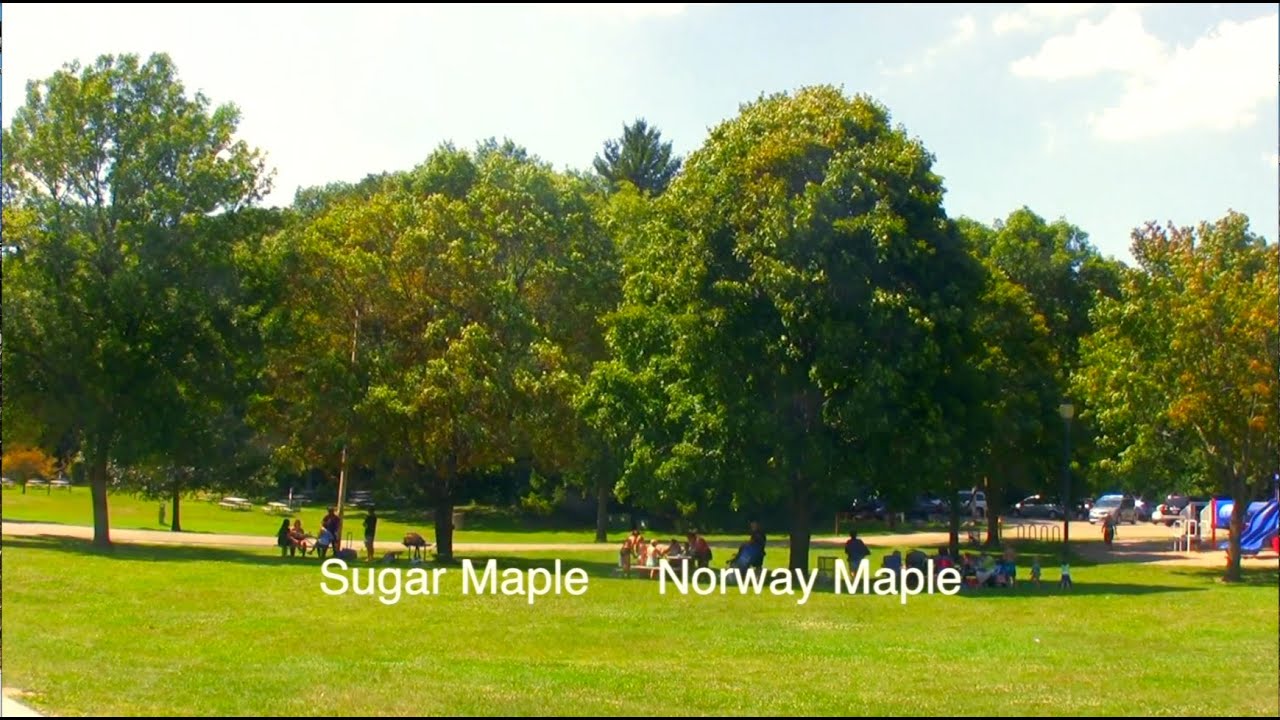
How to Tell Sugar & Norway Maple Apart
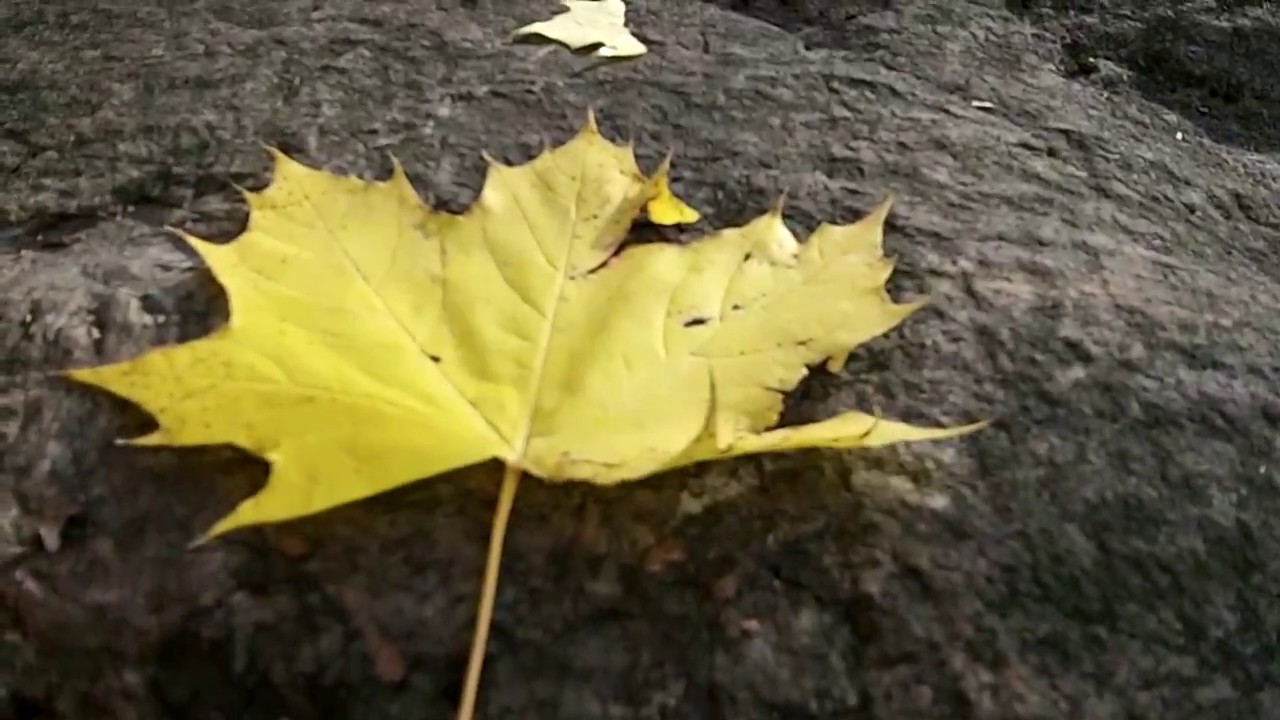
The leaves usually have five lobes, and the tips are pointed. Young maples have smooth silvery bark. The unmistakable, “winged helicopter” seeds are a tell-tale maple tree indicator.
Sugar Maple is a hardwood deciduous tree native to Canada and the United States. The brightly colored fall foliage of Sugar Maple, and of course being the source of maple syrup are the two main claims to fame of the Sugar Maple. The Sugar Maple is an important forest species in forests of Canada and the US, and collection of sap is possible in cold-winter areas. Maple syrup is also made from collection of xylem sap of other maple species as well, including the Red or Black Maples. The sap contains between 2-6% sugar. The Mountain Maple is considered GRAS in the US as a flavoring. The seeds were also eaten, with the wings removed, the seeds were cooked and eaten warm. And the inner bark also made into a flower that could be used as a thickener in soups. There is a fairly new trend of the use of maple water that is tapped from the trees which is marketed as a beverage for hydration, often with claims of electrolyte content, prebiotics and no added sugar. Native Americans made maple syrup for use as a sweetener and the inner bark and syrup as an expectorant and cough remedy. Maple bark extracts have been found to exhibit good antioxidant activity and a wide variety of minerals (K, Ca, Mg, P, Na, Fe and Cu).
The Sugar Maple population has been in decline, with many factors contributing, including repeat cutting of forests (leading to opportunistic species takeover), pollution, acid rain, soil acidification and climate change. Sugar Maple’s wood is also used for the manufacture of a number of sporting goods, such as baseball bats, bowling pins, basketball courts, as pool cues; as well, as musical instruments, including violins, guitars and drums. Sugar Maple is also enjoyed as an ornamental tree, and used to be used as a street tree, but with a rise in pollution in many areas, they have been replaced by the Norway Maple for this purpose. (Source)
Sugar maple survival uses: (and most maples)
- In later winter/early spring when the sap is running, the sugar maple is an excellent source of drinkable water (sap) that needs no purification. Maple Sap is nature’s version of an energy drink – rich in sugar and nutrients. Maples don’t have fully developed (or any) leaves during this time of year – hence the important of 4 season identification.
- The seeds inside the little helicopters are edible, just like edamame. Just boil them and lightly salt. They can also be fried or added to stews. Remove the outer helicopter.
- Use maple branches for wilderness cooking.Maple branches naturally have a lot of forks, which is great for pot holders and other wilderness kitchen uses. Also use the leaves to wrap fish or other small game animals when cooling in an earth oven.
- Young maple leaves are also edible. Toss them into a salad or boil them down with other spring greens. They get bitter and rough as they mature.