Hypercoagulability & Ace2
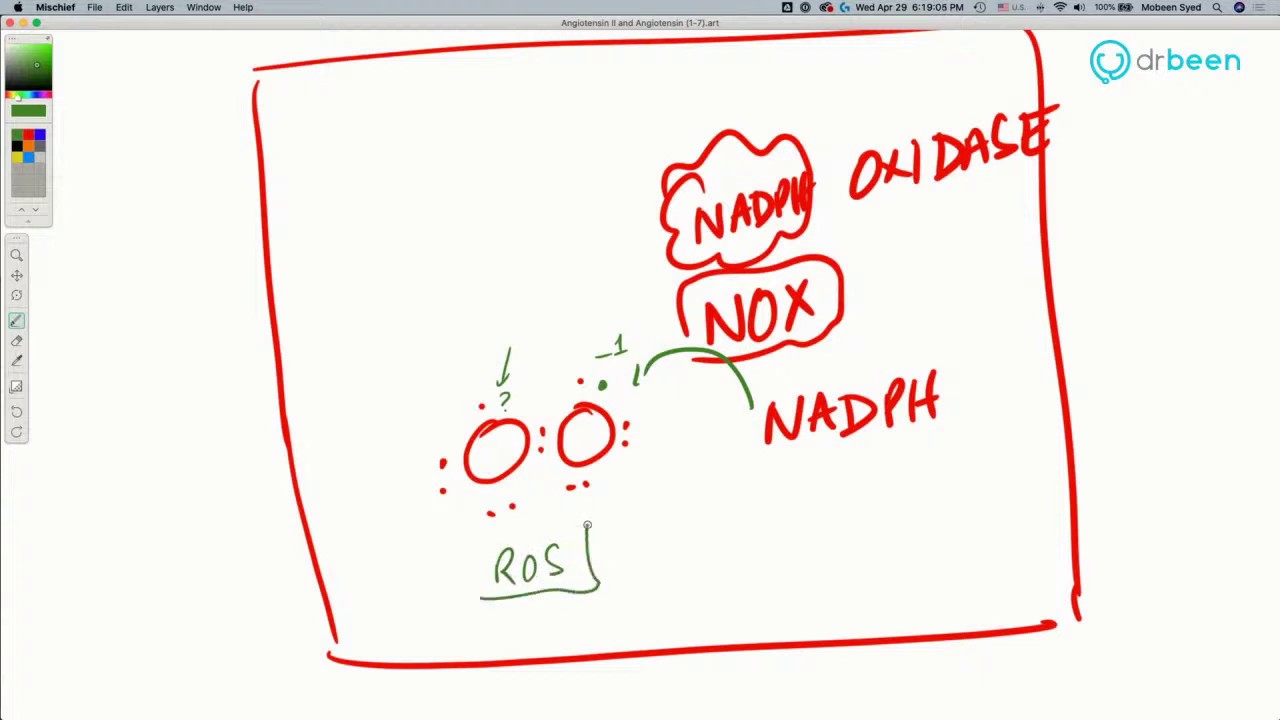
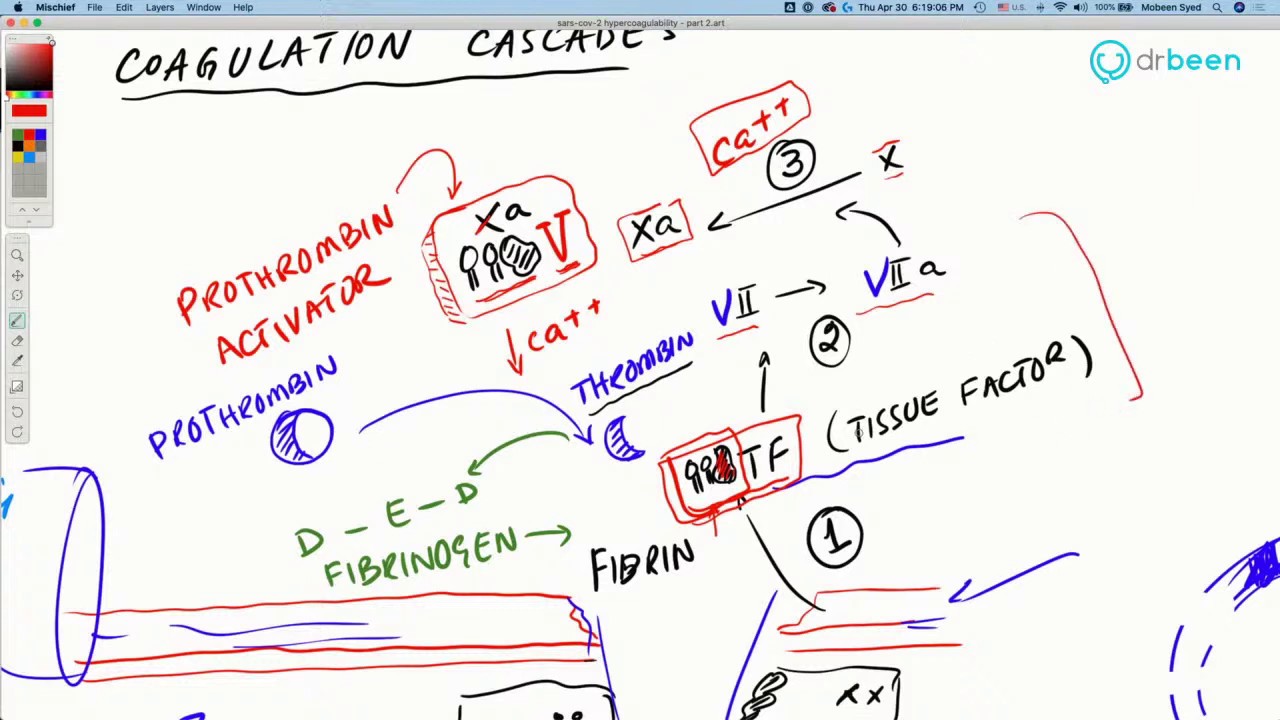
Hypercoagulability, a condition characterized by an increased tendency for blood clotting, has garnered significant attention, especially in the context of the COVID-19 pandemic. The Angiotensin-Converting Enzyme 2 (ACE2) receptor, known for its role in the renin-angiotensin system, has also been implicated in this condition.
What is Hypercoagulability?
Hypercoagulability refers to a state where the blood has an increased tendency to form clots. This can lead to various complications, including:
- Deep vein thrombosis (DVT)
- Pulmonary embolism (PE)
- Stroke
- Myocardial infarction (heart attack)
Several factors can contribute to hypercoagulability, including genetic predispositions, certain medical conditions, medications, and lifestyle factors. Common causes include:
- Genetic mutations (e.g., Factor V Leiden)
- Cancer
- Pregnancy
- Hormone replacement therapy or oral contraceptives
- Prolonged immobility
The Role of ACE2
ACE2 is an enzyme attached to the outer surface of cells in various tissues, including the lungs, heart, kidneys, and intestines. It plays a crucial role in the renin-angiotensin system (RAS), which regulates blood pressure, fluid, and electrolyte balance. ACE2 converts angiotensin II, a potent vasoconstrictor, into angiotensin-(1-7), which has vasodilatory and anti-inflammatory properties.
ACE2 and COVID-19
The ACE2 receptor gained widespread attention during the COVID-19 pandemic because it serves as the entry point for the SARS-CoV-2 virus, the causative agent of COVID-19. The virus binds to ACE2 on the surface of host cells, facilitating its entry and subsequent replication. This interaction has several implications:
- Downregulation of ACE2: SARS-CoV-2 binding leads to a decrease in ACE2 levels, disrupting the balance of the RAS and potentially contributing to severe lung injury and inflammation.
- Hypercoagulability: COVID-19 patients often exhibit hypercoagulable states, leading to complications such as DVT, PE, and microthrombi in various organs.
Interconnection Between Hypercoagulability and ACE2
The relationship between hypercoagulability and ACE2 is complex and multifaceted. Several mechanisms have been proposed to explain this interplay:
Inflammatory Response
COVID-19 triggers a robust inflammatory response, often referred to as a "cytokine storm." This excessive inflammation can activate the coagulation cascade, leading to hypercoagulability. The downregulation of ACE2 exacerbates this process by increasing levels of angiotensin II, which promotes inflammation and thrombosis.
Endothelial Dysfunction
ACE2 is expressed on endothelial cells lining blood vessels. SARS-CoV-2 infection can cause endothelial injury, leading to dysfunction. Endothelial cells play a critical role in maintaining hemostasis, and their damage can result in a pro-thrombotic state. The loss of ACE2 further contributes to endothelial dysfunction, promoting clot formation.
Platelet Activation
Studies have shown that COVID-19 can lead to increased platelet activation and aggregation. Platelets are essential for clot formation, and their hyperactivity can contribute to the hypercoagulable state observed in COVID-19 patients. The interaction between ACE2 and SARS-CoV-2 may indirectly influence platelet function.
Clinical Implications
Understanding the relationship between hypercoagulability and ACE2 has significant clinical implications, particularly in the management of COVID-19 patients. Key considerations include:
- Anticoagulation Therapy: Prophylactic anticoagulation is often recommended for hospitalized COVID-19 patients to prevent thrombotic complications. The choice and duration of anticoagulation therapy should be individualized based on patient risk factors.
- Monitoring and Diagnosis: Regular monitoring of coagulation parameters, such as D-dimer levels, can help identify patients at risk of thrombotic events. Early diagnosis and intervention are crucial for improving outcomes.
- Targeting ACE2 Pathways: Therapeutic strategies aimed at modulating the ACE2 pathway are being explored. These include ACE2 mimetics, angiotensin II receptor blockers (ARBs), and other agents that can restore the balance of the RAS.