Bleeding
See Styptics and Herbs for Bleeding for herbs that stop bleeding.
Basically, any astringent herbs will work.
This spray-on powder can stop life-threatening bleeding in 1 second A new spray-on powder developed by KAIST can stop life-threatening bleeding in about one second by instantly forming a strong gel over a wound. It works on deep and irregular injuries where conventional hemostatic products often struggle and remains effective even after years of storage in harsh conditions. Originally created for the battlefield, the technology could also transform emergency care
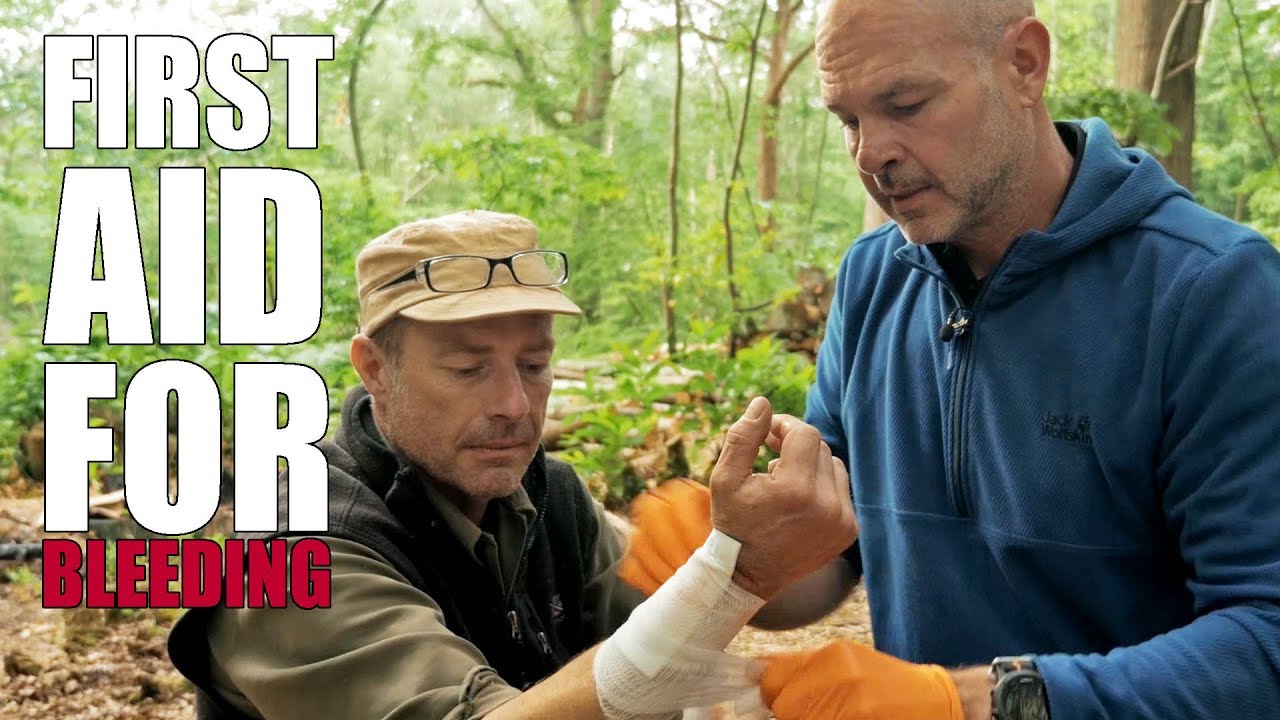

Bleeding, also known as hemorrhage, is the loss of blood from the circulatory system. It can occur internally, where blood leaks from blood vessels inside the body, or externally, through a natural opening such as the mouth, nose, or a break in the skin. Understanding how to manage bleeding is crucial, as it can range from minor to life-threatening.
Types of Bleeding
Bleeding can be categorized into three main types based on the source of the blood:
- Arterial Bleeding: This is the most severe type of bleeding. It occurs when an artery is damaged, causing bright red blood to spurt out in rhythm with the heartbeat. Due to the high pressure in arteries, this type of bleeding can lead to rapid blood loss and requires immediate attention.
- Venous Bleeding: This type involves damage to a vein, resulting in a steady flow of dark red blood. While it is less forceful than arterial bleeding, it can still be serious and requires prompt care to prevent significant blood loss.
- Capillary Bleeding: The least severe type, capillary bleeding, occurs when capillaries are damaged. It results in a slow, oozing flow of blood and is often seen in minor cuts and abrasions. This type of bleeding is usually easy to control.
First Aid for Bleeding
First aid for bleeding aims to control blood loss, prevent infection, and stabilize the patient until professional medical help arrives. Here are the steps to follow:
1. Assess the Situation
- Ensure the scene is safe for both the rescuer and the victim.
- Wear protective gloves if available to prevent infection.
2. Control the Bleeding
- Apply Direct Pressure: Use a clean cloth or bandage to apply firm pressure directly to the wound. Maintain pressure until the bleeding stops.
- Elevate the Injured Area: If possible, raise the injured limb above the level of the heart to reduce blood flow to the area.
- Use a Tourniquet: If direct pressure and elevation do not stop the bleeding, and the bleeding is life-threatening, apply a tourniquet above the wound. Note the time of application and ensure it is not left on for more than two hours.
3. Clean the Wound
- Once bleeding is controlled, gently clean the wound with water to remove dirt and debris. Avoid using hydrogen peroxide or iodine, as they can damage tissue.
4. Protect the Wound
- Cover the wound with a sterile bandage or dressing to prevent infection. Change the dressing regularly and monitor for signs of infection, such as redness, swelling, or pus.
5. Seek Professional Help
- Call EMS if the bleeding is severe, does not stop with pressure, or if the person shows signs of shock, such as pale skin, rapid breathing, or confusion.
Role of Emergency Medical Services (EMS)
EMS plays a critical role in managing bleeding emergencies. Their responsibilities include:
- Rapid Assessment: EMS personnel quickly assess the severity of the bleeding and the patient's overall condition.
- Advanced Bleeding Control: They use advanced techniques and equipment, such as hemostatic agents and advanced tourniquets, to control bleeding.
- Intravenous Access: EMS may establish IV access to administer fluids or blood products to stabilize the patient.
- Transport to Medical Facility: They ensure rapid and safe transport to a hospital for further treatment.
Preventing Bleeding Incidents
While not all bleeding incidents can be prevented, certain measures can reduce the risk:
- Wear protective gear during activities that pose a risk of injury, such as sports or construction work.
- Use caution when handling sharp objects or machinery.
- Keep a well-stocked first aid kit accessible at home, work, and in vehicles.
- Educate yourself and others on basic first aid techniques.
ARTICLES/STUDIES
Scientists discover body's natural alarm to battle blood loss
Soil component in wounds can help stem deadly bleeding
Local and systemic hemostatics as an adjunct to control bleeding in trauma.
New Medical Glue – Inspired by Barnacles – Stops Bleeding in Seconds