Mango
See also: Mangifera (genus)
Qualities: Cool, sweet and sour, effects stomach and lung, qi and blood tonic, benefits stomach, relieves vomiting, quenches thirst, diuretic.
Videos


Black Marks on Your Mango! Eat or Trash?
How to Ripen and Store Mango
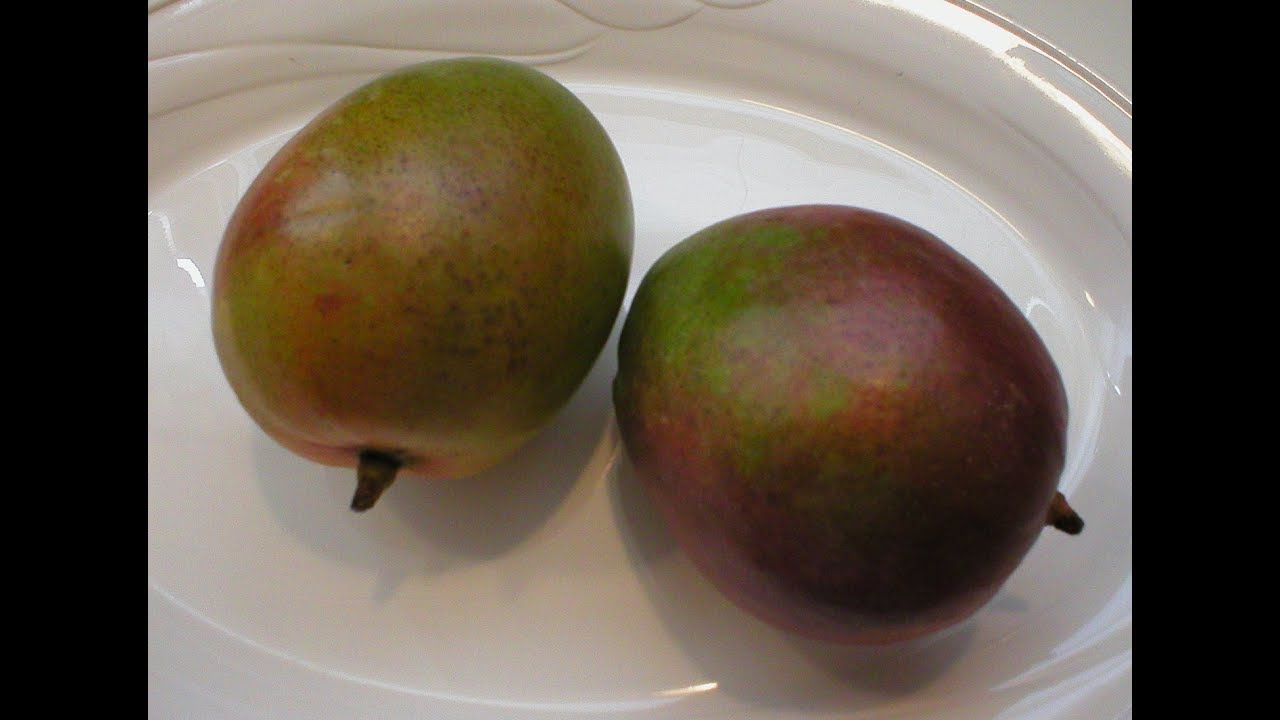
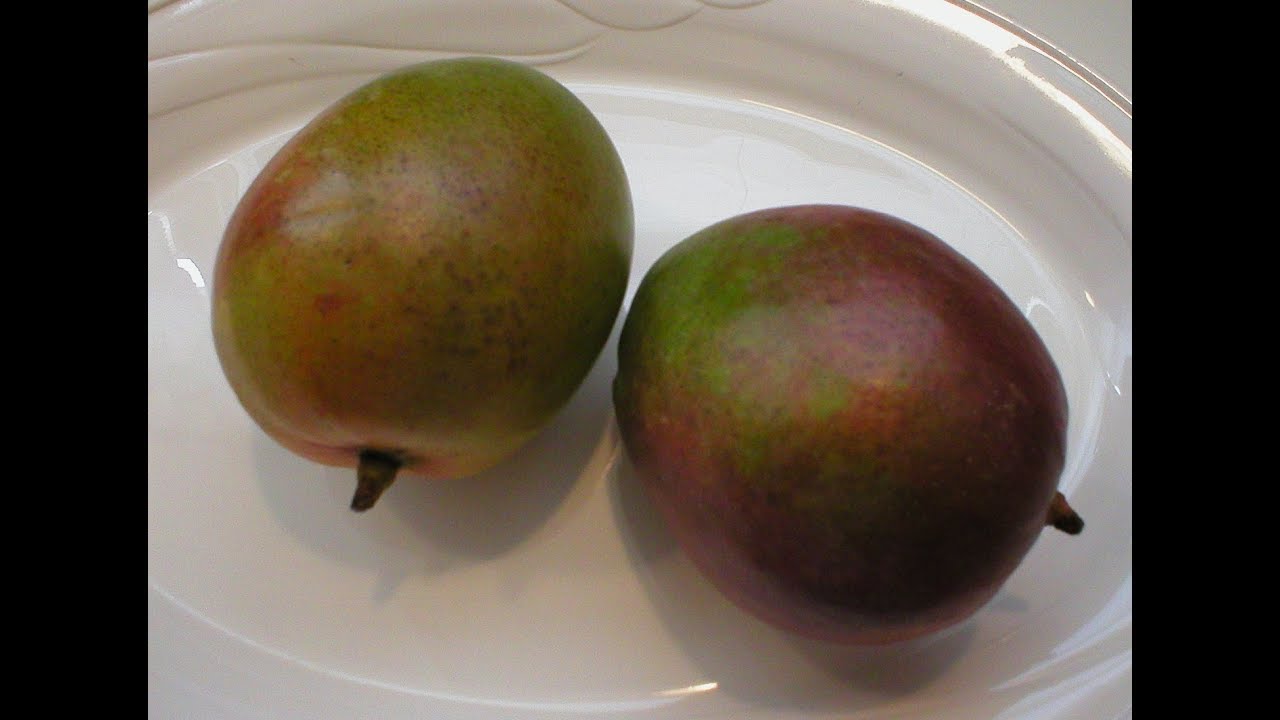
How to choose a ripe mango
Edible Leaves?

Constituents
The mango, often referred to as the "king of fruits," is a tropical delight that has captivated the taste buds and imaginations of people around the world for centuries. This succulent fruit is not only cherished for its sweet and tangy flavor but also revered for its rich history, cultural significance, and numerous health benefits.
Origins and History
The mango (Mangifera indica) is believed to have originated in the region of South Asia, particularly in India and Myanmar, over 4,000 years ago. It has since spread to various parts of the world, including Southeast Asia, Africa, and the Americas. The fruit was first introduced to the Western world by Portuguese explorers in the 15th century, and it quickly gained popularity due to its unique flavor and versatility.
Varieties of Mango
There are over 1,000 varieties of mangoes, each with its own distinct flavor, texture, and appearance. Some of the most popular varieties include:
- Alphonso: Known for its rich, creamy texture and sweet flavor, Alphonso mangoes are often considered the finest variety. They are primarily grown in the Ratnagiri region of India.
- Haden: This variety is one of the most widely grown in the United States, particularly in Florida. Haden mangoes have a vibrant red and yellow skin and a sweet, slightly tangy taste.
- Kent: Originating from Florida, Kent mangoes are known for their juicy, fiberless flesh and sweet flavor. They are typically available from December to February.
- Ataulfo: Also known as the "Honey Mango," Ataulfo mangoes are small, with a buttery texture and a rich, sweet taste. They are primarily grown in Mexico.
- Tommy Atkins: This variety is popular in the United States and has a firm, fibrous flesh with a mildly sweet flavor. It is known for its long shelf life and resistance to bruising.
Nutritional Value
Mangoes are not only delicious but also packed with essential nutrients. A typical mango provides:
- Vitamins: Mangoes are an excellent source of vitamins A and C. Vitamin A is crucial for maintaining healthy vision, skin, and immune function, while vitamin C is important for collagen production and immune support.
- Minerals: Mangoes contain significant amounts of potassium, which helps regulate blood pressure and fluid balance, and magnesium, which is essential for muscle and nerve function.
- Fiber: The fruit is a good source of dietary fiber, which aids in digestion and helps maintain a healthy gut.
- Antioxidants: Mangoes are rich in antioxidants, such as beta-carotene and polyphenols, which help protect the body against oxidative stress and inflammation.
Culinary Uses
Mangoes are incredibly versatile and can be used in a wide range of culinary applications. Some popular uses include:
- Fresh Consumption: Mangoes can be enjoyed fresh, either on their own or as part of a fruit salad.
- Smoothies and Juices: The fruit's natural sweetness makes it a perfect ingredient for smoothies and juices.
- Desserts: Mangoes can be used in various desserts, such as mango sorbet, mango pudding, and mango cheesecake.
- Savory Dishes: The fruit can also be incorporated into savory dishes, such as mango salsa, mango chutney, and mango curry.
- Preserves: Mangoes can be preserved as dried fruit, jams, and pickles.
Cultural Significance
Mangoes hold a special place in the cultures of many countries, particularly in South Asia. In India, the mango is considered a symbol of love and fertility and is often used in religious ceremonies and festivals. The fruit is also featured in various forms of art, literature, and folklore.
In conclusion, the mango is a truly remarkable fruit that offers a delightful combination of flavor, nutrition, and cultural significance. Whether enjoyed fresh, blended into a smoothie, or incorporated into a savory dish, the mango continues to be a beloved fruit around the world.
Articles/Studies
- A mango juice by-product reduces gastrointestinal and upper respiratory tract infection symptoms in children.
- In Vitro Gastrointestinal Digestion and Colonic Fermentation of High Dietary Fiber and Antioxidant-Rich Mango (Mangifera indica L.) "Ataulfo"-Based Fruit Bars.
- The findings demonstrate that the green nanolipid carriers amplified the overall antioxidant effectiveness of mango.
Anti-Inflammatory
Cancer
- Mango ginger treatment inhibited tumor growth rate with and without VBL and increased the survival rate significantly.
- Mango polyphenols and their major microbial metabolite, pyrogallol, inhibit proliferation of breast cancer cells.
- Mangifera indica extracts as novel PKM2 inhibitors for treatment of triple negative breast cancer.
Cognitive Function
Gut Dysbiosis
- Mango supplementation modulates gut microbial dysbiosis.
- This review provides an overview of interactions of mango polyphenols with the intestinal microbiome.