Mango, Growing


So Simple method of Mango Tree Grafting ! Nursery method of Mango Tree Grafting

The Four Stages of Mango Trees and Flowers Setting Fruit in the Spring
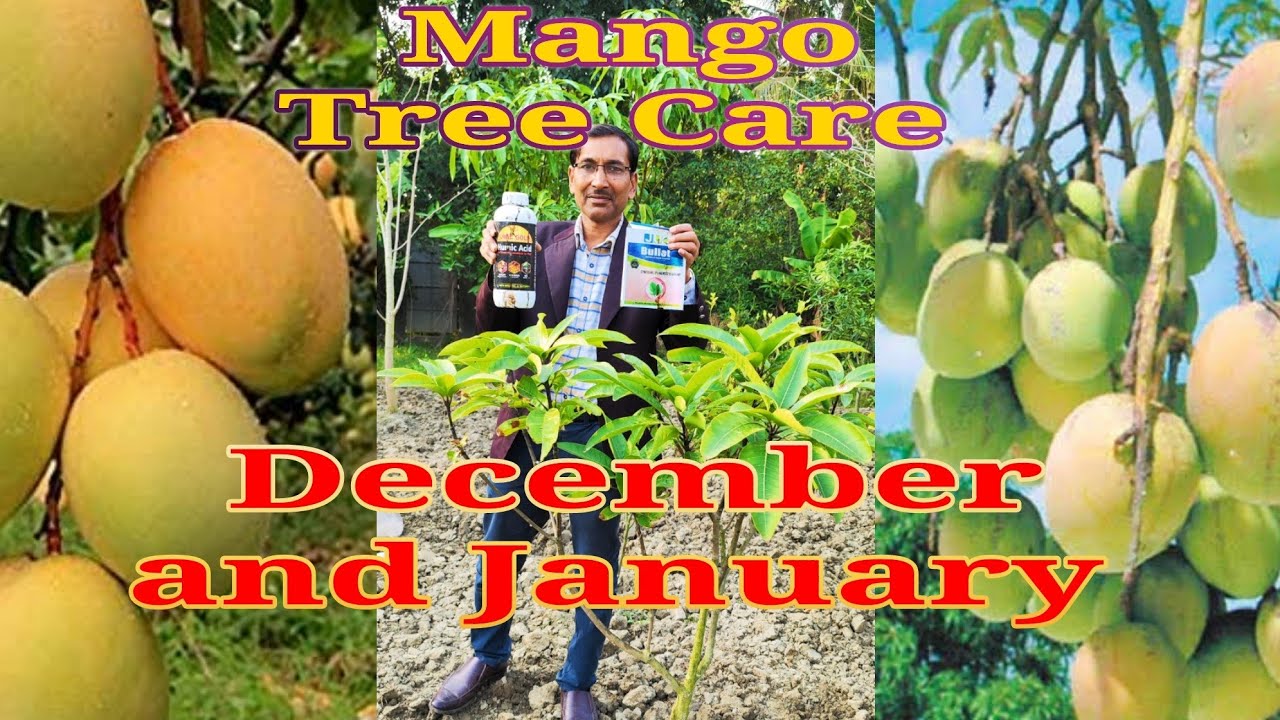
Mango tree care and application of Fertilizer in the months of December and January
UNDERSTANDING MANGO VARIETIES
Before planting, it's crucial to choose the right mango variety for your climate and taste preferences. Some popular varieties include:
- Alphonso: Known for its rich flavor and smooth texture, ideal for tropical climates.
- Haden: A classic variety with a sweet and aromatic taste, suitable for warm regions.
- Tommy Atkins: A hardy variety with a longer shelf life, often grown commercially.
- Kent: Known for its juicy flesh and minimal fiber, perfect for fresh consumption.
Ideal Growing Conditions
Mango trees thrive in tropical and subtropical climates. Here are the key conditions they require:
- Temperature: Mangoes prefer temperatures between 70°F and 100°F (21°C to 38°C). They are sensitive to frost and cold weather.
- Sunlight: Full sun exposure is essential for optimal growth and fruit production.
- Soil: Well-drained, sandy loam soil with a pH between 5.5 and 7.5 is ideal. Avoid waterlogged or heavy clay soils.
- Watering: While young trees need regular watering, mature trees are drought-tolerant. Overwatering can lead to root rot.
Planting Mango Trees
Follow these steps to plant your mango tree successfully:
- Select a Location: Choose a sunny spot with well-drained soil. Ensure there's enough space for the tree to grow, as mango trees can reach heights of 30-100 feet.
- Prepare the Soil: Amend the soil with organic matter to improve drainage and fertility. A mix of compost and sand works well.
- Planting: Dig a hole twice as wide and as deep as the root ball. Place the tree in the hole, ensuring the graft union is above the soil line. Backfill with soil and water thoroughly.
- Mulching: Apply a layer of mulch around the base to retain moisture and suppress weeds.
Caring for Mango Trees
Proper care is essential for healthy growth and fruit production:
- Fertilization: Use a balanced fertilizer with a higher nitrogen content during the growing season. Reduce nitrogen and increase potassium and phosphorus as the tree matures.
- Pruning: Prune young trees to establish a strong structure. Remove dead or diseased branches and shape the canopy to allow sunlight penetration.
- Pest and Disease Control: Common pests include aphids, mealybugs, and fruit flies. Use organic pesticides or introduce beneficial insects. Watch for diseases like anthracnose and powdery mildew, and apply fungicides as needed.
Harvesting Mangoes
Mangoes typically take 3-6 months to mature after flowering. Here’s how to determine when they’re ready to harvest:
- Color: Depending on the variety, the skin color may change from green to yellow, red, or orange.
- Firmness: Gently squeeze the fruit; it should yield slightly to pressure.
- Aroma: Ripe mangoes emit a sweet, fruity aroma near the stem.
To harvest, use a sharp knife or pruning shears to cut the fruit from the tree, leaving a small stem attached to prevent sap from leaking.
Troubleshooting Common Issues
Growing mangoes can come with challenges. Here are some common issues and solutions:
- Poor Fruit Set: This can be due to inadequate pollination. Encourage pollinators by planting flowering plants nearby.
- Fruit Drop: Often caused by water stress or nutrient deficiencies. Ensure consistent watering and balanced fertilization.
- Leaf Burn: Excessive sunlight or nutrient imbalances can cause leaf burn. Provide shade during peak sun hours and adjust fertilization.