Nutritional Yeast
Videos
8 Ways to Use Nutritional Yeast in Your Diet
Why I Put Nutritional Yeast on my Food
Benefits of Nutritional Yeast that Go Beyond B-Vitamins
Nutritional Yeast vs. Brewers Yeast
Benefits of Nutritional Yeast for Cancer
Is Nutritional Yeast Healthy for Everyone?
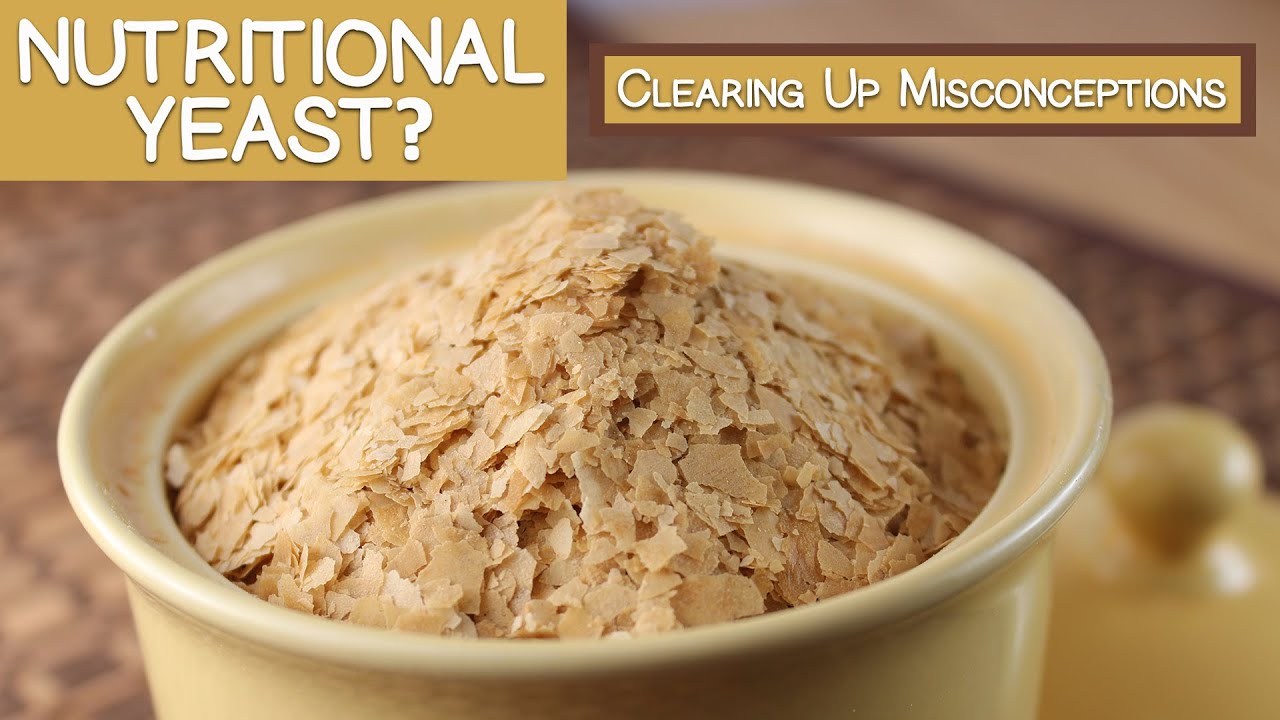
Nutritional yeast is a deactivated form of yeast, specifically Saccharomyces cerevisiae. Unlike the yeast used in baking and brewing, nutritional yeast does not have leavening properties. It is grown on a sugar-rich medium, such as molasses, and then harvested, washed, and dried with heat to deactivate it. This process results in a flaky or powdery product that is rich in nutrients.
Nutritional Profile
Nutritional yeast is celebrated for its impressive nutritional profile. It is a complete protein, meaning it contains all nine essential amino acids that the human body cannot produce on its own. This makes it an excellent protein source for vegetarians and vegans. Additionally, it is low in fat and free from sugar and gluten, making it suitable for various dietary needs.
Key Nutrients
- B Vitamins: Nutritional yeast is particularly high in B vitamins, including B1 (thiamine), B2 (riboflavin), B3 (niacin), B6 (pyridoxine), and B12 (cobalamin). These vitamins are crucial for energy production, brain function, and red blood cell formation.
- Folic Acid: Important for DNA synthesis and repair, folic acid is essential for pregnant women to prevent neural tube defects in infants.
- Minerals: It contains trace amounts of minerals such as zinc, selenium, and manganese, which are important for immune function and antioxidant defense.
- Fiber: Nutritional yeast provides dietary fiber, which aids in digestion and helps maintain a healthy gut.
Health Benefits
The consumption of nutritional yeast offers several health benefits:
- Boosts Energy Levels: The B vitamins in nutritional yeast play a vital role in converting food into energy, helping to reduce fatigue and improve overall energy levels.
- Supports Immune Function: The presence of beta-glucans, a type of fiber, in nutritional yeast can enhance immune response and protect against infections.
- Promotes Healthy Skin, Hair, and Nails: The B vitamins and protein content contribute to the maintenance of healthy skin, hair, and nails.
- Aids in Digestion: The fiber content helps promote regular bowel movements and supports a healthy digestive system.
- May Lower Cholesterol: Some studies suggest that beta-glucans in nutritional yeast can help reduce cholesterol levels, thus supporting heart health.
Culinary Uses
Nutritional yeast is prized for its savory, cheesy flavor, making it a popular ingredient in vegan and vegetarian cooking. Here are some ways to incorporate it into your diet:
- Sprinkle on Popcorn: Add a cheesy flavor to popcorn by sprinkling nutritional yeast on top.
- Enhance Sauces and Dressings: Use it to thicken and flavor sauces, gravies, and salad dressings.
- Boost Soups and Stews: Stir nutritional yeast into soups and stews for added depth of flavor and nutrition.
- Vegan Cheese Substitute: Combine it with nuts and spices to create a vegan cheese alternative.
- Season Vegetables: Sprinkle over roasted or steamed vegetables for a savory kick.
Considerations and Precautions
While nutritional yeast is generally safe for most people, there are a few considerations to keep in mind:
- Allergies: Some individuals may be allergic to yeast products. If you experience any adverse reactions, discontinue use and consult a healthcare professional.
- Tyramine Content: Nutritional yeast contains tyramine, which can trigger headaches in sensitive individuals, particularly those prone to migraines.
- Fortified vs. Unfortified: Some nutritional yeast products are fortified with additional vitamins, such as B12. If you rely on nutritional yeast as a primary source of B12, ensure you choose a fortified variety.
Articles/Studies
EPA Cracks Down on Nutritional Yeast
Everything You Need to Know About Nutritional Yeast, Nature's Cheeto Dust