Grapevine
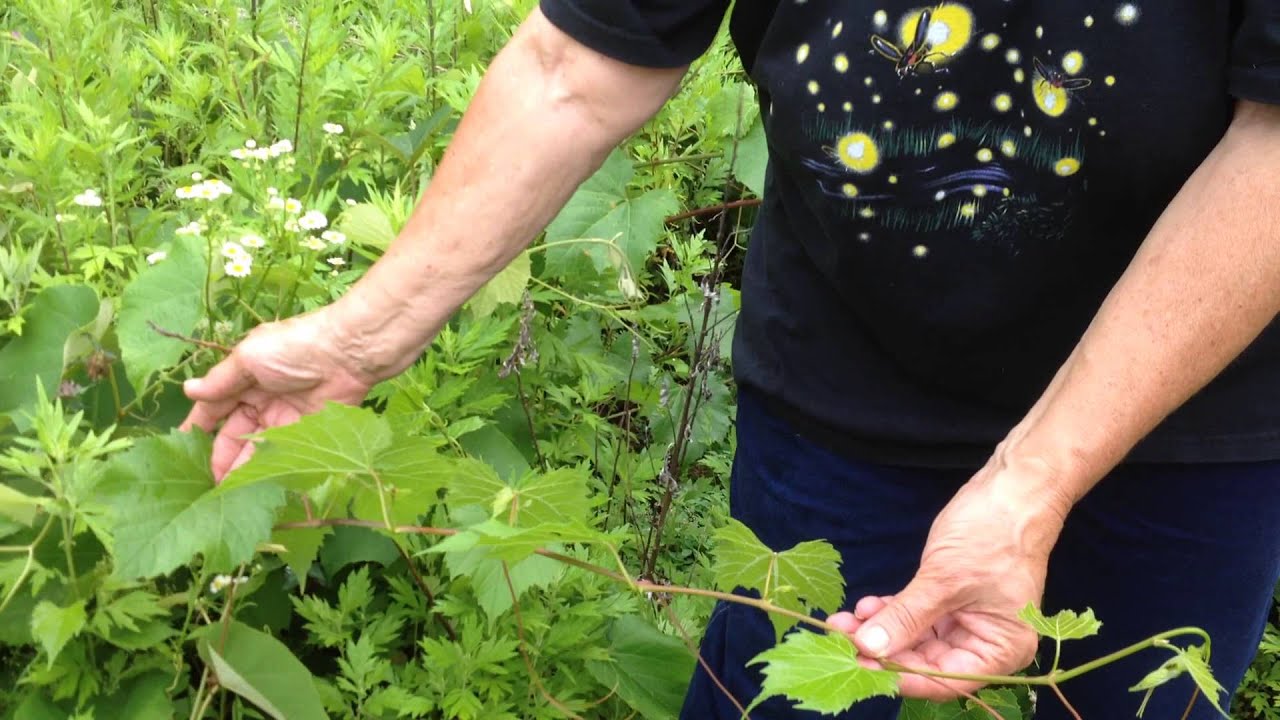
Part Used: the stem and leaf
Qualities:a bit astringent, bitter, sour, cold, dry; restoring, astringing, decongesting, diluting, stabilizing movement
Constituents:potassium bitartrates & other tartrates up to 2%, tannins, quercitrin, tartaric/malic/acetic/bernstein acids, levulose, saccharose, dextrose, choline, inositol, anthrocyanes, vitamin C
Tropism:liver, urinary system, uterus, blood, veins
Ground:Choleric & Sanguine krases; Industrious/Tai Yang & Expressive/Jue Yin biotypes; Phosphoric/Mixed/Grey-Green Iris
1. CREATES ASTRICTION, ENLIVENS THE BLOOD AND REMOVES CONGESTION; RESTORES THE VEINS AND MODERATES THE MENSES
blood heatwith spontaneous bleeding, skin rashes, heavy menstrual bleeding
venous blood stagnation;with varicose veins, hemorrhoids
PHLEBITIS
uterus blood congestionwith painful, early copious menstruation
MENORRHAGIA
2. CLEARS HEAT, DRAINS PLETHORA AND PROMOTES URINATION; RELIEVES THIRST AND IRRITABILITY
liver firewith red congested face, feverishness, thirst
HIGH BLOOD PRESSURE, menopausal syndrome
HIGH BLOOD CHOLESTEROL
GENERAL PLETHORA with overweight, cellulites, etc.
3. ARRESTS BLEEDING AND DISCHARGE, CLEARS TOXINS AND LENIFIES IRRITATION
intestines damp heat with blood in stool, urgent defecation
bladder damp heat with painful, difficult urination and dark urine
ENTERITIS, CYSTITIS
HEMORRHAGE from upper or lower orifices, esp. in hot conditions
LEUCORRHEA, seminal emission, spermatorrhea
MOUTH, GUM, THROAT, EYE INFLAMMATIONS, dermatitis
Preparation/Dose
Best preparations are a short decoction, tincture, fluid extract. Externally, good washesof various kinds (for mucosal affections in the head especially), as well as gargles, eyebaths, etc. may be made
Dosages are standard
NOTES -- HOLMES
The scarlet leaves of the Grapevine are used in Southern Europe, North Africa and the Middle East both in cookery and medicine. In these countries they have assuaged fever, inflammations and infections for many a millennium.
Today, Grapevine leaf should find renewed use as a heat clearing remedy with a very specific focus of action. It is one of the few astringent venous tonics that is really cold in quality, and conversely one of the few heat clearers that is also sour astringent in taste. Central to these two poles of functions is its effects of relieving blood congestion by an activation of both capillary and venous circulation. Grapevine therefore excels at relieving internal blood congestion of a chronic kind, especially with heat and bleeding due to blood heat syndrome, as found, for example, in meno- or metrorrhagia due to uterine blood congestion.
Moreover, heat at the Qi level is also cleared by this essentially drainingremedy. In western terms it has antilipemic, hypotensiveand antiplethoric properties that will treat conditions of internal excesswith heat with unrest, thirst, overweight, high blood pressure, etc.
Tartrates, acids, and tannins testify to bioenergetic processes that have created a cold astringent remedy of the best kind, with good anti-inflammatory and antiseptic effects where intestinal and cystic infections are concerned. All inflamed or infected mucosal and skin surfaces will also benefit. The bioenergetics of a Chinese heat clearing herb such as Huang bai, cortex Phellodendri,are different nevertheless its properties are similar enough to justify interchangeability of these botanicals.