Needlepod Rush
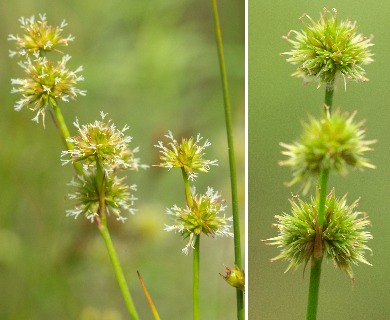
The Needlepod Rush, scientifically known as Juncus scirpoides, is a fascinating species of rush that belongs to the Juncaceae family. This perennial plant is notable for its unique needle-like seed pods and its adaptability to various wetland environments.
Characteristics
Juncus scirpoides is a perennial herbaceous plant that typically grows in clumps. Here are some key characteristics:
- Height: It generally reaches heights of 30 to 90 centimeters (1 to 3 feet).
- Stems: The stems are slender, cylindrical, and can be either erect or arching.
- Leaves: The leaves are reduced to sheaths at the base of the stems, which is a common trait among rushes.
- Flowers: The plant produces small, inconspicuous flowers that are typically greenish or brownish in color. These flowers are arranged in clusters known as inflorescences.
- Seed Pods: The most distinctive feature of Juncus scirpoides is its needle-like seed pods, which give the plant its common name. These seed pods are elongated and taper to a sharp point.
Habitat
Needlepod Rush is commonly found in wetland areas across the eastern United States. Its preferred habitats include:
- Marshes: It thrives in both freshwater and brackish marshes.
- Swamps: The plant is well-adapted to swampy conditions.
- Ditches and Wet Meadows: It can also be found in ditches and wet meadows, where the soil remains consistently moist.
- Pond Edges: The edges of ponds and other bodies of water provide an ideal environment for this species.
Ecological Significance
Juncus scirpoides plays a vital role in wetland ecosystems. Some of its ecological contributions include:
- Erosion Control: The dense root systems of Needlepod Rush help stabilize soil and prevent erosion in wetland areas.
- Habitat: It provides habitat and shelter for various wildlife species, including insects, amphibians, and birds.
- Water Filtration: The plant aids in water filtration by trapping sediments and absorbing nutrients, which helps maintain water quality in wetland environments.
- Biodiversity: By supporting a diverse range of organisms, Juncus scirpoides contributes to the overall biodiversity of wetland ecosystems.
Uses
While Juncus scirpoides is primarily valued for its ecological benefits, it also has some practical uses:
- Horticulture: Due to its attractive appearance and adaptability, Needlepod Rush is sometimes used in ornamental gardening, particularly in water gardens and naturalized landscapes.
- Crafts: The stems of the plant can be used in traditional crafts, such as basket weaving and mat making.
- Erosion Control Projects: Its ability to stabilize soil makes it a valuable plant for erosion control projects in wetland restoration and management.