Fendler's groundcherry
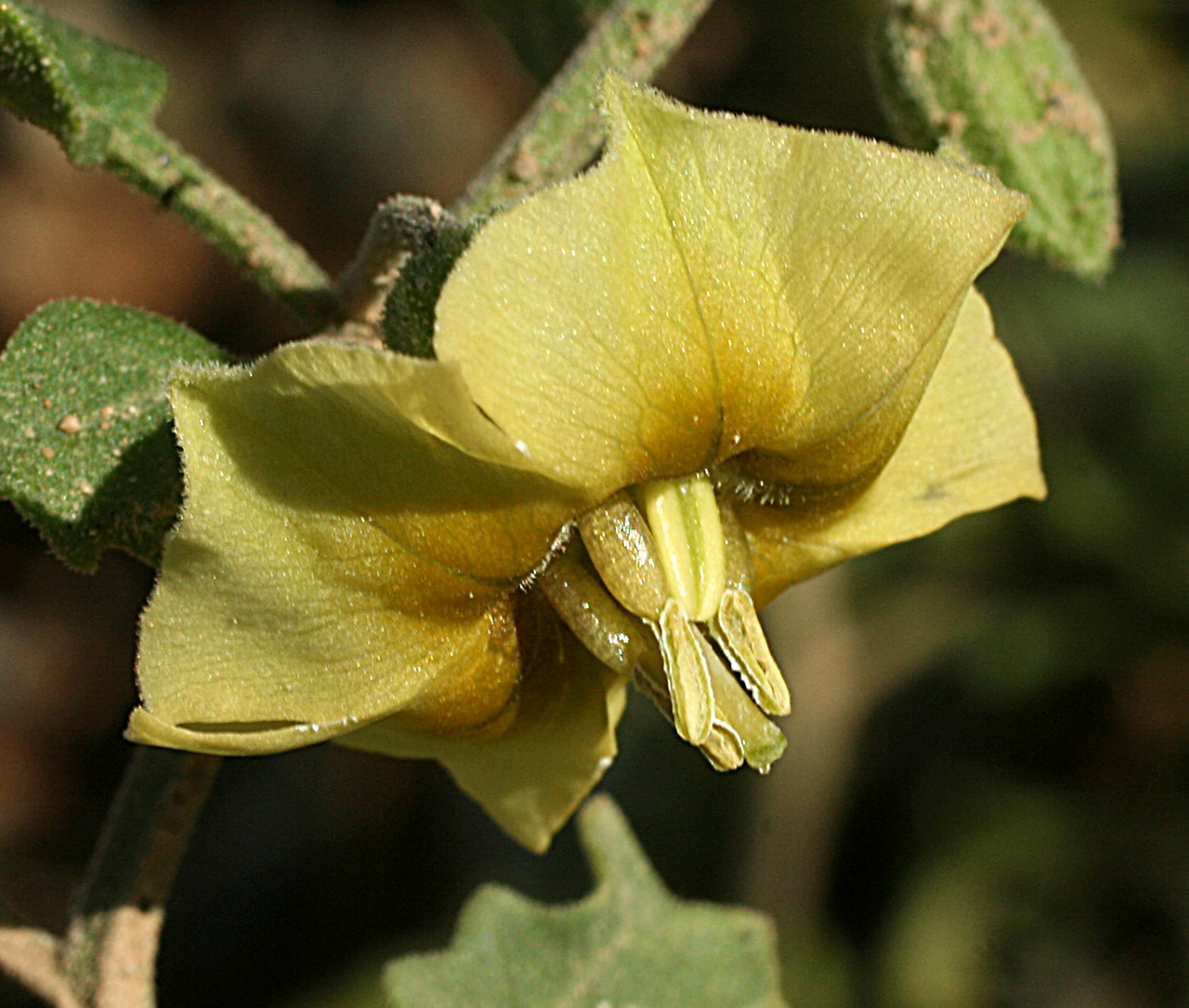
Physalis fendleri, commonly known as Fendler's ground cherry or Fendler's horsenettle, is a species of flowering plant in the nightshade family, Solanaceae. This plant is native to North America, specifically found in regions such as the southwestern United States and northern Mexico.
Characteristics of Physalis Fendleri
Physalis fendleri is a perennial herbaceous plant that typically grows to a height of around 30-60 cm. It is characterized by its distinctive bell-shaped yellow flowers that bloom in clusters, giving way to small, round fruits enclosed in a papery husk. These fruits are edible and have a sweet, tangy flavor, making them a popular choice for jams, pies, and other culinary uses.
The leaves of Physalis fendleri are ovate to lanceolate in shape, with serrated edges and a slightly hairy texture. The plant's stems are often covered in fine hairs, adding to its unique appearance. One of the most notable features of Physalis fendleri is its ability to produce lantern-like husks that enclose the developing fruits, giving it a whimsical and enchanting quality.
Habitat and Distribution
Physalis fendleri is typically found in dry, rocky habitats such as desert scrublands, grasslands, and open woodlands. It thrives in well-drained soils and is often seen growing in sunny locations. This plant is well-adapted to arid environments and can tolerate drought conditions, making it a resilient species in its native range.
The distribution of Physalis fendleri extends from the southwestern United States, including states like Arizona, New Mexico, and Texas, down into northern Mexico. It is a versatile plant that can grow in a variety of ecosystems, from mountainous regions to low-lying deserts, showcasing its adaptability to different environmental conditions.
Uses and Significance
In addition to its ornamental value, Physalis fendleri has a long history of traditional uses among indigenous communities. The fruits of the plant are not only edible but also have medicinal properties. They are rich in vitamins and antioxidants, making them a valuable source of nutrition and health benefits.
Indigenous peoples have used Physalis fendleri for various purposes, including treating respiratory ailments, digestive issues, and skin conditions. The plant's leaves and stems have also been utilized in traditional medicine for their therapeutic properties. Furthermore, the husks of the fruits have been used for decorative and craft purposes, adding to the cultural significance of Physalis fendleri.