Ground Cherry
See also: Arkansas Groundcherries – Overview
Identification:

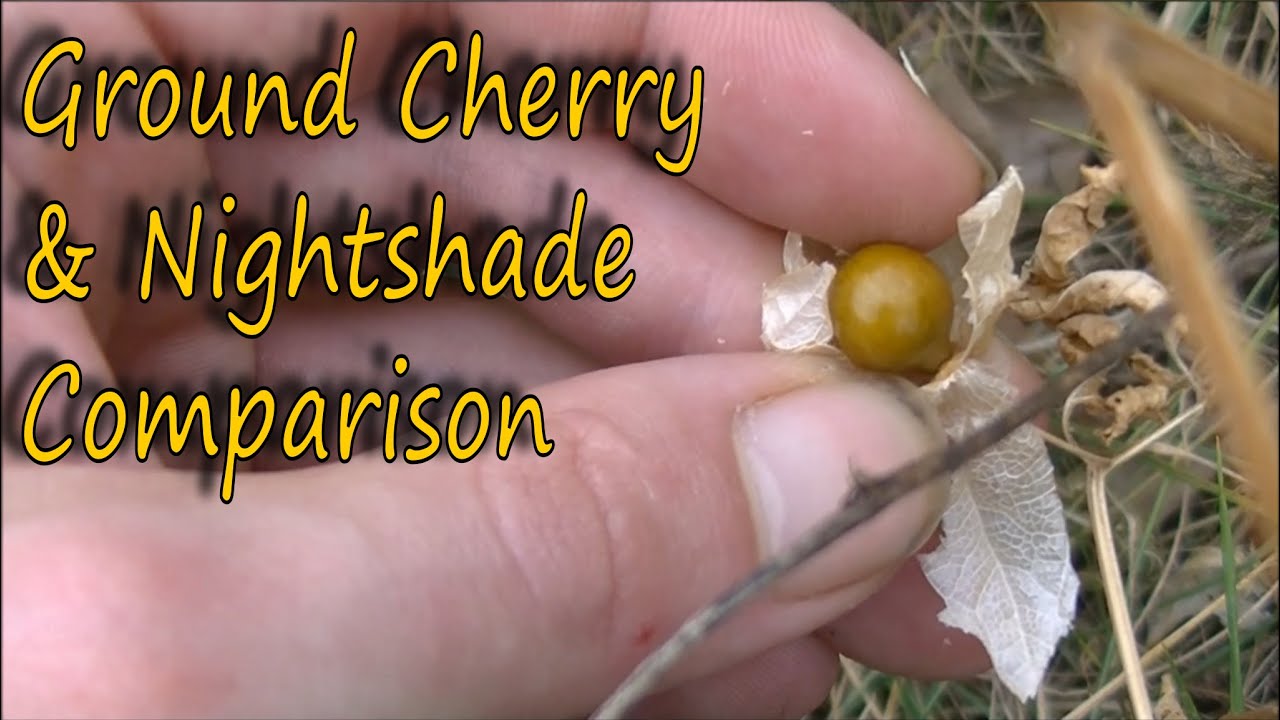
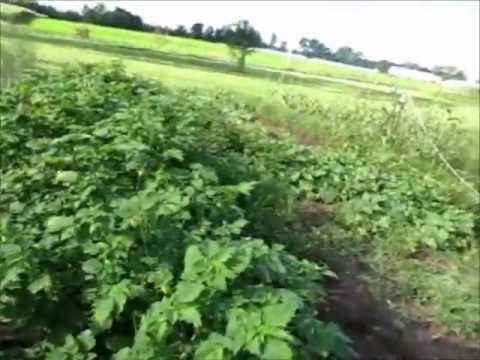

METHOD OF PREPARATION: When ripe raw or cooked like any fruit, pectin needs to be added to make jelly or jam. Species with a bitter after taste are better cooked. If bitter after cooking do not eat. Some foraging books say the fruit does not ripen on the plants but I have found and eaten many that were. More so, like a tomato while it will ripen off the plant it will not improve in sweetness off the plant. Only ripening on the plant accomplishes that.
Its uses are similar to the common tomato or to fruits with a refreshing taste. Once extracted from its husk, it may be eaten raw or used in salads, desserts, as a flavoring, and in jams and jellies. They can also be dried and eaten much like raisins or other small dried fruit. Cape gooseberries contain large amounts of pectin, and are therefore suitable for jams and pies
Summary
- Use: Eaten like a small, sweet‑tart fruit when fully ripe; used raw or cooked (salads, desserts, jams, jellies, dried like raisins).
- Ripening behavior:
- Can ripen on the plant (contrary to some foraging books).
- Will continue to ripen off the plant (similar to tomatoes), but sweetness does not improve much off‑plant; best flavor when allowed to ripen fully on the plant.
- Preparation & taste:
- Some species/patches can have a bitter aftertaste; these are better cooked, and should be discarded if still bitter after cooking.
- High pectin content makes them suitable for jams, jellies, and pies.
Culinary & Preservation Uses
- Fresh use:
- Raw snacking when fully ripe and sweet.
- Added to salads and desserts for a sweet–tart element.
- Cooked/preserved (see your recipe thoughts):
- Pies, tarts, coffee cakes.
- Chutneys, salsas, hot sauces.
- Preserves and jams (pectin often adequate; commercial pectin can be added for firmer set).
- Dried:
- Can be dried and used like raisins or other small dried fruits.
Safety & Identification Notes (Nightshade Context)
- Ground cherries are in the Solanaceae (nightshade) family.
- Correct ID is crucial to distinguish from toxic nightshades:
- Characteristic papery husk enclosing the berry.
- Only consume fully ripe, golden/orange fruits that have naturally dropped or are clearly mature.
- Bitter fruits (especially if still bitter after cooking) should be avoided, as bitterness can signal problematic chemistry or simply poor eating quality.
| Species / Thought | Typical habitat notes (from your brain) | Likely Arkansas context |
|---|---|---|
| General Ground Cherry | Foraging / garden context; emphasis on fruit use, ripening on/off plant | Mixed: cultivated and wild patches in fields, gardens, edges; focus on edible fruit quality |
| Clammy Groundcherry (P. heterophylla) | Fields, roadsides, open woods; sticky/glandular; drought‑tolerant | Dry, open sites, roadsides, light woods; likely common wild Arkansas foraging target |
| Dwarf Groundcherry (P. pumila) | Grasslands, open woodlands, disturbed sandy/rocky soils | Sandy/rocky prairies and openings; smaller plants, scattered patches |
| Cutleaf Groundcherry (P. angulata) | Disturbed areas, fields, ag lands; widely naturalized | Field margins, disturbed soils, gardens; overlaps with crop systems |
| Missouri Groundcherry (P. missouriensis) | Missouri/AR/OK/TX; prairies, open woodlands, roadsides | Classic central U.S. groundcherry of Arkansas prairies and open, well‑drained soils |
| Virginia Groundcherry (P. virginiana) | Open woods, prairies, disturbed areas | Similar to Missouri Groundcherry but with slightly different microhabitat preferences |
| Heartleaf Groundcherry (P. cordata) | Native habitats (see NatureServe); heart‑shaped leaves | Localized patches; habitat varies by Arkansas ecoregion; easily recognized by heart‑shaped leaves |
2. Morphology & Key ID Features
| Species | Distinguishing leaf/plant traits | Fruit/husk notes |
|---|---|---|
| General Ground Cherry | Generic Physalis husk tomato; focus on papery husk and ripe golden fruit | Papery husk enclosing sweet‑tart berry; emphasis on on‑plant ripening for best sweetness |
| Clammy Groundcherry | Clammy/sticky, glandular hairs on stems & leaves; ovate to lanceolate leaves | Standard Physalis husk; berry yellow‑orange; surface sticky; not a major culinary focus in your note |
| Dwarf Groundcherry | Very small stature (10–30 cm); small oval leaves; “dwarf” habit | Small lantern‑like husk; yellow/orange berry; sweet‑tangy, edible |
| Cutleaf Groundcherry | Deeply lobed "cut" leaves; up to 1 m tall; serrated edges | Papery “lantern” husk; berry turns yellow–orange; widely used/ studied; edible with tangy flavor |
| Missouri Groundcherry | 1–2 ft; light green ovate/lanceolate leaves; classic lantern husk | Yellow‑orange fruit in husks; used fresh/dried and in jams/pies |
| Virginia Groundcherry | Narrower 3" leaves, sometimes only shallowly toothed; nodding yellow flowers | Lantern fruit; yellow when ripe; drops to ground at maturity |
| Heartleaf Groundcherry | Distinct heart‑shaped leaves, slightly fuzzy texture | Lantern fruit with sweet‑tangy taste; favored by wildlife and people |
3. Edibility & Culinary Uses
| Species | Edibility & flavor | Noted culinary uses |
|---|---|---|
| General Ground Cherry | Sweet‑tart when fully ripe; bitterness possible in some patches; high pectin | Raw snacking; salads, desserts; jams, jellies, pies; dried like raisins |
| Clammy Groundcherry | Ripe fruit edible but sticky; not highlighted as a major food | Primarily ecological/medicinal interest in your note; not a primary culinary species |
| Dwarf Groundcherry | Sweet–tangy berries; edible fresh or processed | Fresh eating; jams, jellies, desserts; noted source of vitamins A, C, antioxidants |
| Cutleaf Groundcherry | Sweet, tangy fruit similar to small tomato/tomatillo | Fresh, salads, jams, jellies, desserts; sauces and salsas |
| Missouri Groundcherry | Sweet, slightly tart fruits | Fresh, dried; jams, pies, desserts; “husk tomato” style uses |
| Virginia Groundcherry | Ripe yellow fruits historically eaten | Consumed fresh or dried; traditional edible and medicinal roles |
| Heartleaf Groundcherry | Sweet, tangy fruits; popular with wildlife and humans | Fresh eating; jams, pies; general “groundcherry” sweets and preserves |
4. Therapeutic / Research Emphasis
| Species | Key tags / emphases | Therapeutic / research notes |
|---|---|---|
| General Ground Cherry | (Arkansas, culinary/foraging) | Framed as nutritious specialty fruit; safety focus on correct ID & ripeness |
| Clammy Groundcherry | Arkansas; antibacterial; anti‑inflammatory; antioxidant | Traditional use for respiratory, digestive, skin issues; caution for potential toxicity at high doses |
| Dwarf Groundcherry | Arkansas; Anti‑inflammatory; antidiabetic | Nutritional (vit A, C, phenolics, flavonoids); antioxidant activity; some antidiabetic emphasis in tag set |
| Cutleaf Groundcherry | Arkansas; antitumor; anti‑inflammatory; immunomodulating; antimycobacterial; antimicrobial; antinociceptive | Rich literature on physalins, cancer models, antimycobacterial activity, pain, transplant rejection, dermatitis, etc. – your most pharmacologically dense groundcherry entry |
| Missouri Groundcherry | Arkansas | Ecological & culinary; possible anti‑inflammatory/antioxidant uses noted generally, but not tagged with specific actions yet |
| Virginia Groundcherry | Arkansas | Ecological, cultural and horticultural emphasis; traditional medicinal use mentioned but not action‑tagged |
| Heartleaf Groundcherry | Arkansas | Ecological and culinary; traditional medicinal use (skin, digestive) but not heavily evidence‑annotated |