Xylitol
Videos
Xylitol and Biofilm - you can't have one with the other

Xylitol Pros and Cons - Is It Bad?
Overview
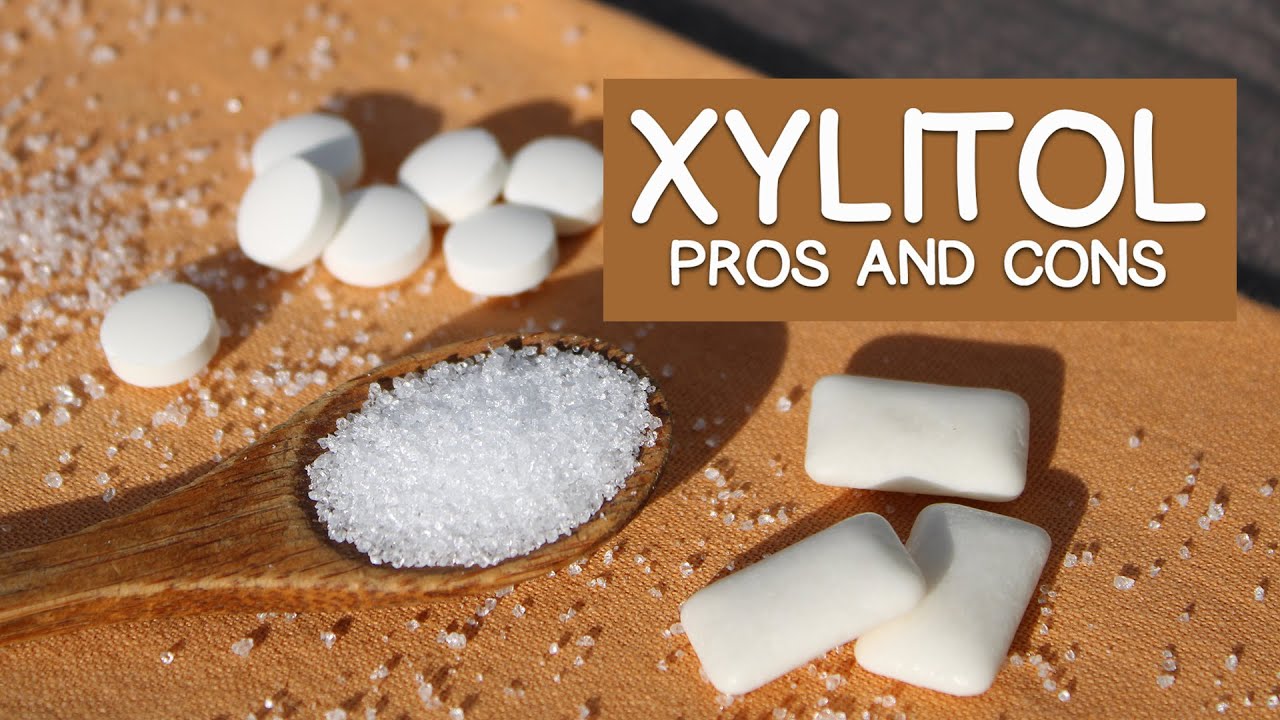
Xylitol is a naturally occurring sugar alcohol often used as a low-calorie sweetener. It offers various potential benefits and interesting biological effects. Let's explore its world:
Structure and Occurrence:
- It's a five-carbon (pentose) sugar alcohol with a sweetness similar to table sugar (sucrose).
- Found naturally in small amounts in various fruits (berries, plums, corn cobs), vegetables (broccoli, cauliflower), and mushrooms.
- Also produced commercially through a fermentation process using starch from corn, cassava, or birchwood.
Biological Effects:
- Low calorie: Due to incomplete absorption in the small intestine, it contributes fewer calories than sugar (2.4 kcal per gram compared to 4 kcal per gram for sugar).
- Low glycemic index: Doesn't significantly raise blood sugar levels, making it potentially suitable for people with diabetes or managing weight.
- Dental benefits: May inhibit the growth of harmful bacteria linked to tooth decay, potentially reducing cavities and promoting oral health.
- Other potential effects: Research is ongoing regarding potential roles in preventing ear infections, improving bone health, and even reducing the risk of osteoporosis, but more evidence is needed.
Applications:
- Widely used as a low-calorie sweetener in chewing gum, sugar-free candies, baking goods, and sugar-free drinks.
- May be found in oral care products like toothpaste and mouthwash due to its potential dental benefits.
- Used in pharmaceutical formulations as a bulking agent or sweetener.
Important Considerations:
- While generally safe, overconsumption may cause digestive discomfort like bloating or gas in some individuals.
- Dogs are extremely sensitive to xylitol, even small amounts can be toxic, so keep it out of reach.
- Moderate intake remains important, even for low-calorie sweeteners.
Articles/Studies
Study links sweetener used in chewing gum and jam to strokes and heart attacks
Xylitol linked to heart risk. A common sweetener used in products such as chewing gum, toothpaste, jam, yoghurts and ice-cream has been linked to an increased risk of strokes, heart attacks and death. Xylitol is a sugar alcohol present in some natural foods in very low amounts. It is also added - often in amounts 1,000 times higher - to artificially sweeten foods, beverages and oral care products.
Antibacterial
Bones
- Xylitol improves bone biomechanical properties in xylitol-fed aged rats
- Xylitol protects against aging-related osteoporotic changes in rats.
- Xylitol protects against weakening bone in ovariectomized rats
Cancer
Candida
Diabetes
Leishmaniasis
Oral Health
- Erythritol and xylitol have similar effects in reducing some risk factors of dental caries.
- Long-term use of xylitol-containing chewing-gum can reduce the risk of dental caries.
- The 40-month consumption fo xylitol-containing chewing gums prevents aging-related increase of salivary Streptococcus mutans (cariogenic) bacteria.
- The maternal consumption of xylitol-chewing gum is associated with a lower rate of Streptococcus mutans colonization in offspring.
- Xylitol chewing gum suppresses Streptococcus mutans growth indicating it may prevent dental caries.
- Xylitol containing chewing gums have a beneficial effect on lactic acid production in dental plaque from caries active pre-school children.
- Xylitol is more effective than sorbitol for preventing dental caries in adults.
- Xylitol syrup is effective in preventing early childhood caries.
- Regular and prolonged use of xylitol chewing gum may have a caries-preventive effect.
- The habitual use of xylitol can be associated with significant reduction in caries incidence and with tooth remineralization.
- The use of xylitol containing chewing gum prevents dental caries.
- Xylitol has a beneficial action on mutans streptococci and dental plaque.