Thyroidectomy
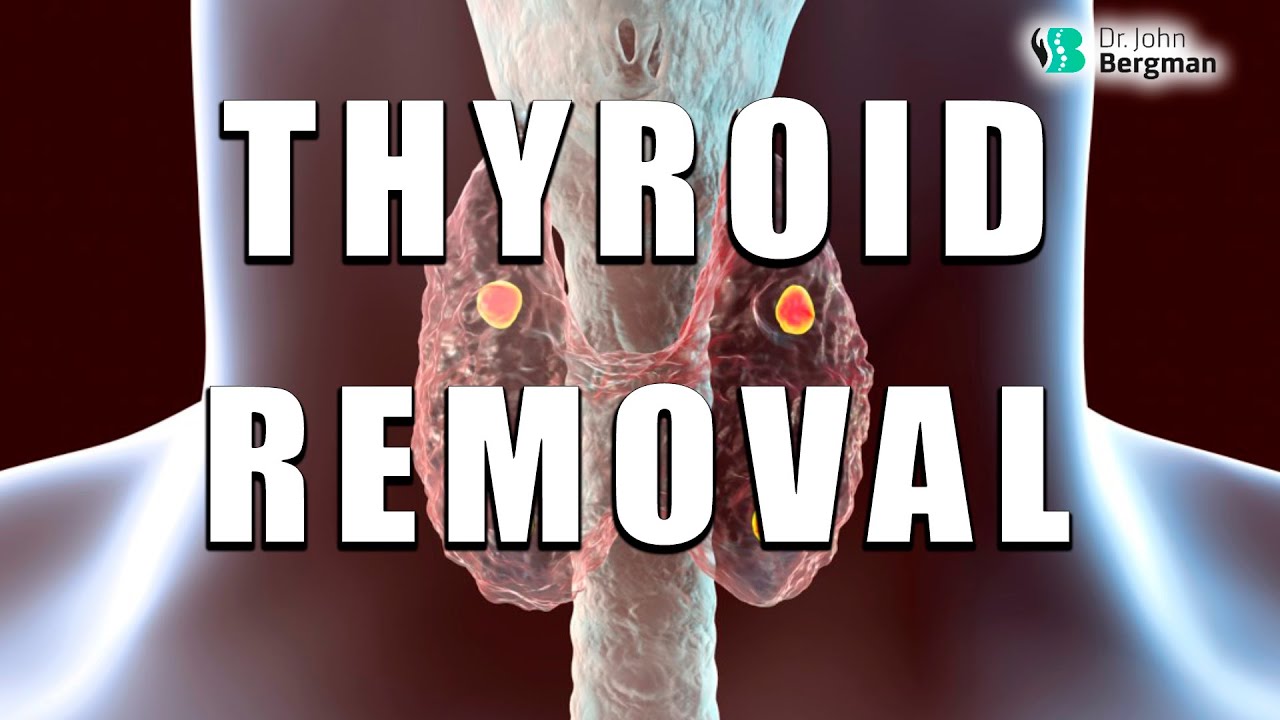

No Thyroid (Thyroidectomy): What About Calcitonin?

What supplements should you take if your thyroid is removed

Thyroidectomy is a surgical procedure involving the removal of all or part of the thyroid gland. This gland, located at the base of the neck, plays a crucial role in regulating metabolism through the production of hormones such as thyroxine (T4) and triiodothyronine (T3). The decision to undergo a thyroidectomy is typically based on medical conditions affecting the thyroid, such as cancer, hyperthyroidism, or goiter.
Indications for Thyroidectomy
Several conditions may necessitate a thyroidectomy:
- Thyroid Cancer: The most common reason for a thyroidectomy is the presence of cancerous nodules. Removing the thyroid can prevent the spread of cancer to other parts of the body.
- Hyperthyroidism: This condition, characterized by an overactive thyroid, can sometimes be managed with medication. However, when these treatments are ineffective or cause significant side effects, a thyroidectomy may be recommended.
- Goiter: An enlarged thyroid, or goiter, can cause discomfort, difficulty breathing, or swallowing. Surgical removal may be necessary if the goiter is large or causing symptoms.
- Thyroid Nodules: While many thyroid nodules are benign, some can become cancerous or cause hyperthyroidism, warranting removal.
Types of Thyroidectomy
The extent of the thyroidectomy depends on the underlying condition:
- Total Thyroidectomy: The entire thyroid gland is removed. This is often performed in cases of thyroid cancer or when the entire gland is affected by disease.
- Subtotal (or Partial) Thyroidectomy: Only a portion of the thyroid gland is removed. This approach is used when the disease is limited to one part of the gland.
- Hemithyroidectomy (or Lobectomy): One lobe of the thyroid is removed. This is typically done when nodules or cancer are confined to one side of the thyroid.
Preoperative Considerations
Before undergoing a thyroidectomy, patients typically undergo a series of evaluations:
- Blood Tests: To assess thyroid function and overall health.
- Ultrasound: To visualize the thyroid and surrounding structures.
- Fine-Needle Aspiration Biopsy: To determine if nodules are cancerous.
- CT or MRI Scans: In some cases, to provide detailed images of the thyroid and nearby tissues.
The Surgical Procedure
Thyroidectomy is usually performed under general anesthesia. The surgeon makes an incision in the neck to access the thyroid gland. Care is taken to preserve the parathyroid glands, which regulate calcium levels, and the recurrent laryngeal nerve, which controls the vocal cords. The duration of the surgery can vary, but it typically lasts between 1 to 3 hours.
Postoperative Care and Recovery
After surgery, patients are monitored in the hospital for a short period. Recovery involves:
- Pain Management: Pain is usually mild and can be managed with medication.
- Monitoring Calcium Levels: Since the parathyroid glands can be affected, calcium levels are closely monitored.
- Thyroid Hormone Replacement: If the entire thyroid is removed, patients will need lifelong thyroid hormone replacement therapy to maintain normal metabolism.
- Voice Changes: Temporary hoarseness or voice changes may occur due to irritation of the vocal cords.
Potential Complications
While thyroidectomy is generally safe, potential complications include:
- Bleeding and Infection: As with any surgery, there is a risk of bleeding and infection.
- Hypoparathyroidism: Accidental removal or damage to the parathyroid glands can lead to low calcium levels.
- Vocal Cord Paralysis: Damage to the recurrent laryngeal nerve can cause permanent voice changes.
Long-term Management
Patients who undergo a total thyroidectomy will require regular follow-up to adjust thyroid hormone replacement therapy. Regular blood tests are necessary to ensure hormone levels remain balanced. Additionally, patients with thyroid cancer may need periodic imaging studies to monitor for recurrence.