Kidney bean
Dried vs Canned:
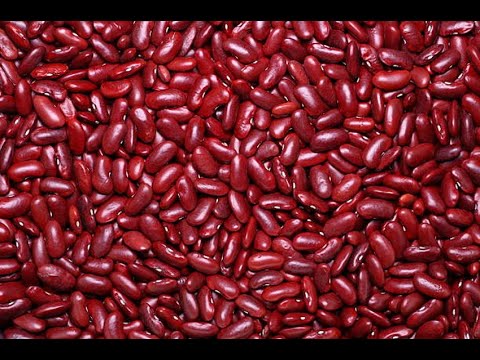
Kidney beans, scientifically known as Phaseolus vulgaris, are a staple in many cuisines around the world. These legumes are not only versatile in cooking but also packed with numerous health benefits.
Nutritional Profile
Kidney beans are a rich source of essential nutrients. Here’s a breakdown of their nutritional content per 100 grams:
- Calories: Approximately 127 kcal
- Protein: 8.7 grams
- Carbohydrates: 22.8 grams
* Dietary Fiber: 6.4 grams
* Sugars: 0.3 grams
- Fat: 0.5 grams
- Vitamins:
* Folate (B9): 130 micrograms (33% of the Daily Value)
* Thiamine (B1): 0.21 milligrams (18% of the Daily Value)
* Vitamin K: 5.6 micrograms (5% of the Daily Value)
- Minerals:
* Iron: 2.9 milligrams (16% of the Daily Value)
* Magnesium: 45 milligrams (11% of the Daily Value)
* Potassium: 405 milligrams (12% of the Daily Value)
* Phosphorus: 142 milligrams (20% of the Daily Value)
Health Benefits
Phytohemagglutinin from red kidney bean (Phaseolus vulgaris) employs a different and distinct mode of choleteric action. This stable protein resists enzymatic and bacterial degradation in the gastrointestinal tract. After oral administration, it survives the passage through the gastrointestinal tract and binds to complex glycans on the surface of parietal cells of the stomach, the brush border epithelium of the small intestine, and to the surface membrane of the colon. By this binding, phytohemagglutinin can mimic or inhibit binding an endogenous lectin, producing local gastrointestinal and systemic effects. Unlike fatty acids, red kidney bean phytohemagglutinin does not increase cholecystokinin levels in the blood, but instead induces potent gallbladder contraction by activating an unidentified cholinergetic pathway.
1. Rich in Protein and Fiber
Kidney beans are an excellent source of plant-based protein and dietary fiber. The high protein content makes them a great meat substitute for vegetarians and vegans. The fiber aids in digestion, helps maintain bowel health, and can assist in weight management by promoting a feeling of fullness.
2. Heart Health
The fiber, potassium, and magnesium in kidney beans contribute to heart health. Dietary fiber helps reduce cholesterol levels, while potassium and magnesium help regulate blood pressure. Consuming kidney beans regularly can lower the risk of heart disease.
Black beans and red kidney beans induce positive postprandial vascular responses in healthy adults.
3. Blood Sugar Control
Kidney beans have a low glycemic index, which means they cause a slower rise in blood sugar levels. This makes them an ideal food for people with diabetes or those looking to manage their blood sugar levels.
4. Rich in Antioxidants
Kidney beans contain antioxidants such as polyphenols, which help combat oxidative stress and reduce inflammation. This can lower the risk of chronic diseases such as cancer and heart disease.
5. Bone Health
The presence of calcium, magnesium, and phosphorus in kidney beans supports bone health. These minerals are essential for maintaining bone density and preventing osteoporosis.
Culinary Uses
Kidney beans are incredibly versatile and can be used in a variety of dishes. Here are some popular culinary uses:
- Chili: Kidney beans are a key ingredient in many chili recipes, providing a hearty texture and absorbing the flavors of the spices.
- Salads: They can be added to salads for extra protein and fiber.
- Soups and Stews: Kidney beans add bulk and nutrition to soups and stews.
- Rice and Beans: A classic combination in many cultures, providing a complete protein when paired with rice.
- Baked Beans: Often used in baked bean recipes, especially in American and British cuisines.
Precautions
While kidney beans are highly nutritious, there are some precautions to consider:
1. Raw Kidney Beans
Raw kidney beans contain a toxin called phytohaemagglutinin, which can cause severe nausea, vomiting, and diarrhea. It is crucial to cook kidney beans thoroughly to destroy this toxin. Soaking the beans for at least 5 hours and then boiling them for at least 10 minutes is recommended.
2. Gas and Bloating
Like other legumes, kidney beans can cause gas and bloating in some people. This can be minimized by soaking the beans before cooking and gradually increasing their intake to allow the digestive system to adjust.
3. Allergies
Although rare, some individuals may be allergic to kidney beans. Symptoms can include itching, swelling, and difficulty breathing. If you suspect an allergy, it is important to seek medical advice.