Common Bean
Botany of Common Bean
Evaluation and Improvement

The effect of Humidity on Plant Growth of Phaseolus vulgaris

Constituents
Amino Acid, Organic Acid, and Sugar Profiles of 3 Dry Bean (*Phaseolus vulgaris* L.) Varieties
Phaseolus vulgaris, commonly known as the common bean, is a significant legume species that has been cultivated for thousands of years. This versatile plant is a staple in many diets around the world and is known for its nutritional benefits, agricultural importance, and cultural significance.
Botanical Characteristics
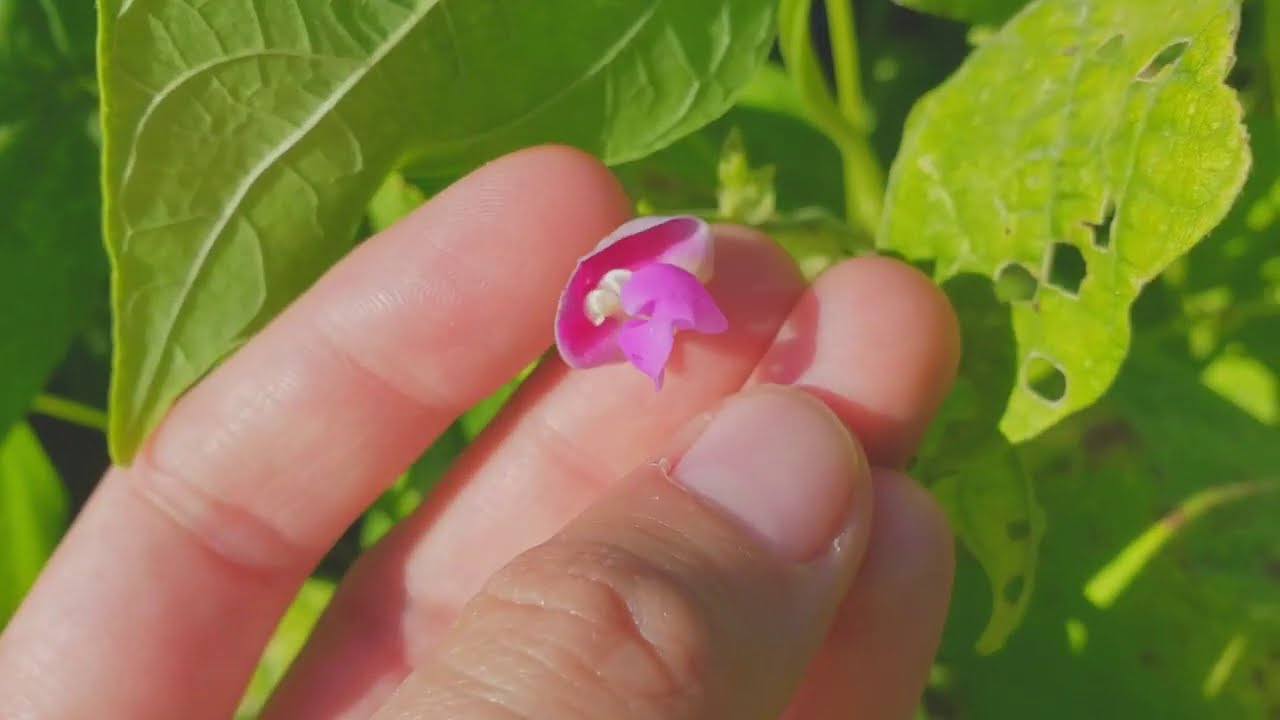
Phaseolus vulgaris is a member of the Fabaceae family, which is known for its nitrogen-fixing abilities. The plant can be either bushy or vining, with the latter requiring support structures for optimal growth. The leaves are trifoliate, meaning they have three leaflets, and the flowers are typically white, pink, or purple. The beans themselves come in a variety of shapes, sizes, and colors, including black, white, red, and speckled.
Nutritional Value
Common beans are a powerhouse of nutrition. They are rich in:
- Protein: Essential for muscle repair and growth.
- Fiber: Aids in digestion and helps maintain a healthy weight.
- Vitamins: Particularly B vitamins, which are crucial for energy production and brain function.
- Minerals: Including iron, magnesium, and potassium, which are vital for various bodily functions.
Due to their high protein content, beans are often used as a meat substitute in vegetarian and vegan diets.
Agricultural Importance
Phaseolus vulgaris is not only important for human consumption but also plays a crucial role in agriculture. The plant's ability to fix nitrogen in the soil improves soil fertility, reducing the need for chemical fertilizers. This makes it an excellent crop for sustainable farming practices. Additionally, beans have a relatively short growing season, making them a versatile crop that can be planted in various climates and conditions.
Varieties and Cultivation
There are numerous varieties of Phaseolus vulgaris, each with its own unique characteristics. Some of the most popular types include:
- Black Beans: Known for their dense, meaty texture and rich flavor.
- Kidney Beans: Recognizable by their kidney shape and commonly used in chili.
- Pinto Beans: Often used in Mexican cuisine, they are speckled and have a creamy texture when cooked.
- Navy Beans: Small, white beans that are commonly used in baked beans and soups.
Cultivating common beans involves several steps:
- Soil Preparation: Beans prefer well-drained soil with a pH between 6.0 and 7.0.
- Planting: Seeds are typically planted directly into the soil after the last frost date.
- Watering: Consistent moisture is crucial, especially during flowering and pod development.
- Harvesting: Depending on the variety, beans can be harvested as green beans or left to mature and dry on the plant.
Cultural Significance
Phaseolus vulgaris has a rich cultural history. It has been a staple food in many civilizations, from the ancient Aztecs and Incas to modern-day societies. Beans are often associated with traditional dishes and cultural practices. For example:
- Latin America: Beans are a key ingredient in dishes like feijoada (Brazil) and gallo pinto (Costa Rica).
- United States: Baked beans are a classic American dish, often served at barbecues and family gatherings.
- India: Rajma, a popular North Indian dish, features kidney beans cooked in a spicy tomato gravy.
Health Benefits
In addition to their nutritional value, common beans offer several health benefits:
- Heart Health: The fiber, potassium, and magnesium in beans contribute to cardiovascular health.
- Blood Sugar Control: Beans have a low glycemic index, making them a good choice for people with diabetes.
- Weight Management: The high fiber and protein content help in maintaining a feeling of fullness, aiding in weight control.
Articles/Studies
Cancer
- This evaluated the antioxidant and antiproliferative effects of polyphenolic extracts obtained from old twelve varieties of endemic bean.
- Antimutagenic activity of natural phenolic compounds present in the common bean against aflatoxin B1.
- Dietary Peptides from Phaseolus vulgaris L. Reduced AOM/DSS-Induced Colitis-Associated Colon Carcinogenesis in Balb/c Mice
Cardiovascular
- Role of Phaseolus vulgaris in the prevention of cardiovascular diseases-cardioprotective potential of bioactive compounds.
- *Phaseolus vulgaris* Exerts an Inhibitory Effect on Platelet Aggregation through AKT Dependent Way
Diabetes
- Peptides from common bean have antidiabetic and antihypertensive potential.
- Hypoglycemic and hypolipidemic effect of Vaccinium myrtillus L. leaf and Phaseolus vulgaris L. seed coat extracts in diabetic rats
Viral Infection
Protective effects of Phaseolus vulgaris lectin against viral infection in Drosophila