Peripheral Edema
How To ELIMINATE Swollen Ankles & Legs (Supplements)

An approach to peripheral edema
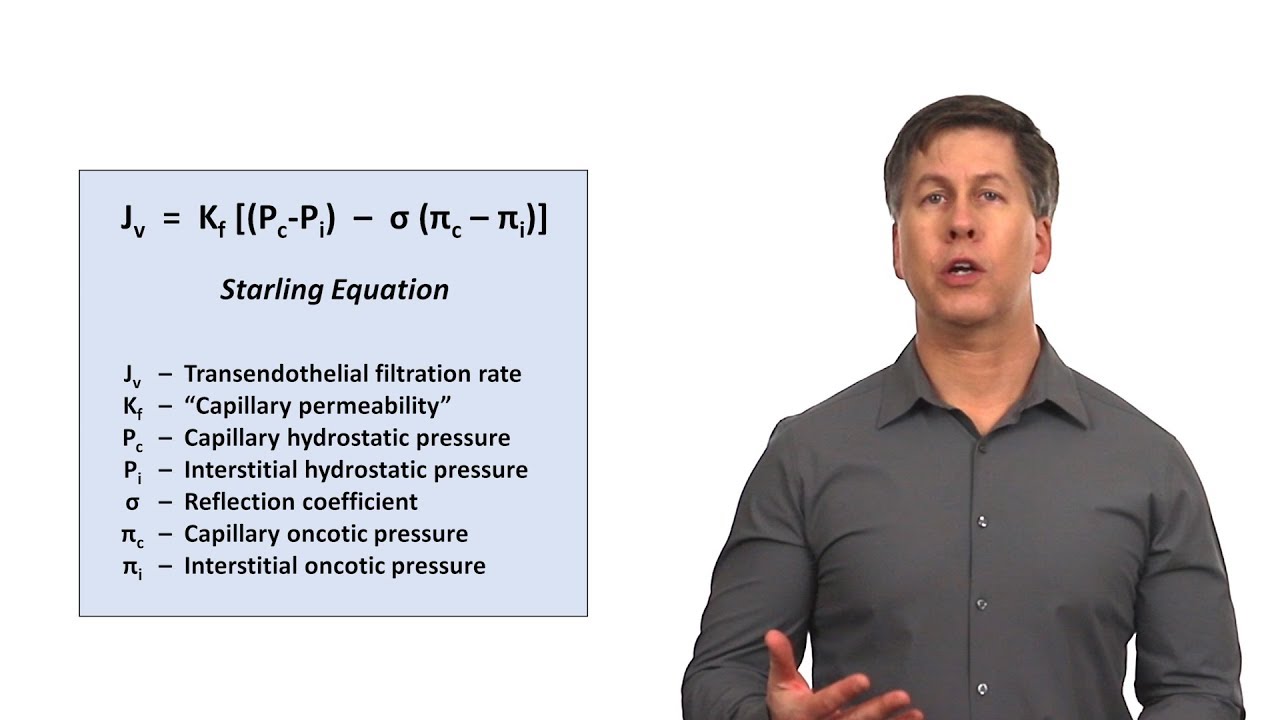
Peripheral edema is a condition characterized by the swelling of tissues, typically in the lower limbs, due to the accumulation of excess fluid. This condition can affect various parts of the body, but it is most commonly observed in the legs, ankles, and feet. Understanding the causes, symptoms, and treatment options for peripheral edema is crucial for managing this condition effectively.
Causes of Peripheral Edema
Peripheral edema can result from a variety of underlying causes, ranging from lifestyle factors to more serious medical conditions. Some common causes include:
- Venous Insufficiency: This occurs when the veins in the legs are unable to efficiently return blood to the heart, leading to fluid accumulation.
- Heart Failure: When the heart is unable to pump blood effectively, it can cause fluid to back up in the legs and feet.
- Kidney Disease: Impaired kidney function can lead to fluid retention and swelling in the extremities.
- Liver Disease: Conditions such as cirrhosis can cause fluid to accumulate in the abdomen and legs.
- Lymphedema: Damage or blockage in the lymphatic system can result in fluid buildup and swelling.
- Medications: Certain medications, including those for high blood pressure and diabetes, can cause peripheral edema as a side effect.
- Pregnancy: Hormonal changes and increased blood volume during pregnancy can lead to swelling in the legs and feet.
Symptoms of Peripheral Edema
The primary symptom of peripheral edema is noticeable swelling in the affected areas. Other symptoms may include:
- Skin Changes: The skin over the swollen area may appear stretched, shiny, or discolored.
- Pain or Discomfort: Swelling can cause a feeling of heaviness or aching in the affected limbs.
- Reduced Mobility: Severe swelling may limit the range of motion and make walking or standing difficult.
- Pitting Edema: Pressing on the swollen area may leave a temporary indentation, known as pitting.
Diagnosis of Peripheral Edema
Diagnosing peripheral edema involves a thorough medical history and physical examination. Healthcare providers may also use diagnostic tests to determine the underlying cause, such as:
- Blood Tests: To assess kidney, liver, and heart function.
- Imaging Tests: Ultrasound, X-rays, or MRI scans to evaluate blood flow and detect blockages.
- Electrocardiogram (ECG): To check for heart-related issues.
- Urinalysis: To detect kidney problems.
Treatment Options
The treatment of peripheral edema focuses on addressing the underlying cause and alleviating symptoms. Common treatment strategies include:
- Lifestyle Modifications: Elevating the legs, wearing compression stockings, and reducing salt intake can help reduce swelling.
- Medications: Diuretics may be prescribed to help the body eliminate excess fluid. Other medications may be used to treat the underlying condition.
- Physical Therapy: Exercises to improve circulation and reduce swelling.
- Surgical Interventions: In some cases, surgery may be necessary to address underlying issues such as varicose veins or lymphatic blockages.
Prevention and Management
Preventing peripheral edema involves managing risk factors and maintaining a healthy lifestyle. Some preventive measures include:
- Regular Exercise: Engaging in physical activity to improve circulation and prevent fluid buildup.
- Healthy Diet: Consuming a balanced diet low in sodium to reduce fluid retention.
- Weight Management: Maintaining a healthy weight to reduce pressure on the veins and improve circulation.
- Avoiding Prolonged Sitting or Standing: Taking breaks to move around and elevate the legs can help prevent swelling.
When to Seek Medical Attention
While mild peripheral edema may resolve with lifestyle changes, it is important to seek medical attention if:
- The swelling is sudden, severe, or accompanied by pain.
- There are signs of infection, such as redness or warmth in the affected area.
- You experience shortness of breath or chest pain, which may indicate a more serious condition.