Fleas
Videos
Home Pest Control
Experimental Flea Death Ray -Save the Cats
How to Naturally Kill Fleas in Cats
Make Your Own Non-toxic Flea Killer
How to Get Rid of Fleas, Home Remedies for Fleas, Flea Treatment, Getting Rid of Fleas in the House
How to get Rid of your dog and cat FLea's an easy, fast and cheap way!
natural flea and tick treatment for dogs and cats from the homestead
Homemade Flea & Tick Repellent for Pets
Anti-flea spray that works
Shocking Truth About Treating Fleas on Kittens You Didn't Know
Fleas can carry Typhus and Bubonic Plague.
There are safe alternatives to the toxic chemicals often used. The worst environmental pollutants that threaten pets are the poisons their well-meaning owners regularly dip, spray, powder, collar and shampoo directly onto and into their flea-bitten pets.
The labels of most flea products bear cautions such as “Avoid contact with skin”...why is it ok to drench a pet with something that’s too risky for humans to touch briefly and then wash off their hands? Animals and veterinary technicians are often poisoned from the application of insecticides and even from the “inert” ingredients in flea-control products, both of which are absorbed through the skin and by inhalation. In addition, pets may lick these compounds off while grooming, and we may pick them up while stroking our animals. Some flea collars and powders are so potent that they produce extreme skin irritations and permanent hair loss on pets.
Because fleas reproduce so quickly, those that survive flea-control products are the ones that have developed resistance to insecticides. The animals in poorest health attract the most fleas. Excessive use of vaccines, antibiotics and cortisone-like drugs has created severe allergy problems so that many pets cannot tolerate fleas at all.
See: Common Ingredients of Flea Control Products
Safe Flea Control
The best approach is to start with the least toxic natural choices, resorting to stronger measures only if reasonable control isn’t achieved. As a prerequisite to any flea-control program, build up your pet’s health and resistance as much as possible through a healthy diet and lifestyle. Its also important to practice thorough sanitation and cleaning.
Life Cycle of Fleas
Adult fleas live about 3-4 months. During that time they are steadily laying tiny white eggs on your pet that look like dandruff or salt crystals. Flea eggs hatch out into larvae that live in the cracks and crevices of rugs, upholstery, blankets, floors, sand, earth and the like.
Because these tiny larvae can’t jump or travel far (less than an inch), they feed on the black specks of dried blood (“flea dirt”) that fall off along with eggs during grooming and scratching. After one to two weeks, the larvae to through a cocoon stage (pupa). A week or two later, they hatch out as small fleas that hop onto the nearest warm body, bite it for a meal of blood and then start the whole process all over again. This cycle takes anywhere from 2-30 weeks, depending on the temperature of the house or environment. during summer - flea season- the entire cycle is usually just 2 weeks long.
No matter how many adult fleas you kill, numerous future fleas are developing in the environment simultaneously. The good news is these eggs, larvae, pupa and the flea dirt they feed upon can be sucked up by a vacuum cleaner or washed away in the laundry. Because the developing fleas are so immobile, they concentrate where your pet sleeps, and that’s where you focus your efforts. Cleanliness is your important ally. Regular cleaning interrupts the life cycles of fleas and greatly cuts down on the number of adult fleas, especially if you act before flea season begins.
Step 1:
Steam clean your carpets at the onset of flea season (or whenever you begin your flea control program). This is effective at killing flea eggs.
Step 2:
Thoroughly vacuum and clean floors and furniture at least once a week to pick up flea eggs, larvae and pupae. Concentrate on areas where your pet sleeps and use an attachment to reach into crevices and corners and under heavy furniture. If there is a heavy infestation, you may want to put a flea collar (or part of one) in the vacuum bag to kill any adult fleas that get sucked up might crawl away. Or else immediately dispose of the bag or its contents because it can provide a warm, moist, food-filled environment for developing eggs and larvae. Mop vinyl floors.
Step 3
Launder your pet’s bedding in hot, soapy water at least once a week. Dry on maximum heat. Heat will kill all stages of flea life, including eggs. Flea eggs are slippery and can easily fall off bedding and blankets. Carefully roll up bedding to keep flea eggs contained on the way to the laundry.
Step 4
Bathe the animal with a natural flea shampoo , those containing d-limonene are recommended (but not for cats) (see the info on bathing located here)
Step 5
Use a flea comb to trap and kill fleas that are on your pet. Most pet stores carry them. Make a regular habit of flea-combing your pet while you watch TV or talk on the phone. This might be daily (at the onset of the flea season) or monthly. Gently but thoroughly comb as many areas as your pet will allow, especially around the head, neck, back and hindquarters. As you trap fleas, pull them off the comb and drop them into a container of hot, soapy water (or dip the comb and pull off under water). Cover your lap with an old towel to catch extra clumps of hair and flea dirt and to wipe the comb off as you work. When finished, flush the soapy water and fleas down the toilet.
Step 6 - For pets that go outside
Mow and water your lawn regularly. Short grass allows sunlight to penetrate and warm the soil, which kills larvae. Watering drowns developing fleas.
Encourage Ants: They love to eat flea eggs and larvae. Another reason not to use pesticides that kill all the insects in your yard.
”Sterilize” bare earth sleeping spots. If your pet likes to sleep or hang out in a certain bare or sandy area, occasionally cover the spot with a heavy black plastic sheet on a hot, sunny day. Rake up any dead leaves and other debris first. The heat that builds up under the plastic does an excellent job of killing fleas and larvae. This isn’t appropriate to use where you want to preserve live grass or plants.
Apply agricultural lime on grassy or moist areas. This helps dry out the fleas. Rake up any dead leaves and grassy debris first.
Along with the above steps consider these methods to repel fleas that may try to jump back on your pet, especially those harder-to-kill ones in the backyard.
Herbal Flea Powders
Found ready-made in natural food stores or make your own. Combine one part each of as many of these powdered herbs as you can find: eucalyptus, rosemary, fennel, yellow dock, wormwood and rue. Put in a jar for parsley flakes. Apply the powder sparingly to your pet’s coat by brushing backward with your hand or the comb and sprinkling it into base of the hairs, especially on the neck, back and belly. To combat severe infestations, use several times a week. Afterward, put your pet outside for a while so fleas vacate in the yard instead of in the house. Some herbal flea powders also contain natural pyrethrins, which are not strong flea-killers but do greatly discourage them.
Herbal Flea Collar
These are impregnated with insect-repellent herbal oils. Some are made to be “recharged” with the oils and used again. Found at natural food stores. Note, essential oils are toxic to cats.
Natural Skin Tonic
The animal herbalist Juliette de Bairacli-Levy recommends this lemon skin tonic which many recommend for general skin toner, parasite repellent and treatment for mange. Thinly slice a whole lemon, including the peel. Add it to 1 pint near-boiling water and let it steep overnight. The next day, sponge the solution onto the animal’s skin and let it dry. You can use this daily for severe skin problems involving fleas. It is a source of natural flea-killing substances like d-limonene and other healing ingredients found in whole lemon.
Diet
Add ample nutritional or brewer’s yeast and garlic to the diet. Some studies show yeast supplementation significantly reduces flea numbers, though others indicate no effect. You can also rub it directly into the animal’s hair. Many people praise the value of garlic as a flea repellent, though so far studies do not support this.
If these methods don’t control the fleas sufficiently, take the following steps:
Get carpets treated with a special anti-flea mineral salt
There have been some developments in safe flea control. Some companies sell relatively nontoxic mineral salts for treating carpets. (Fleabusters and Radar Rex are two that are recommended). Effective for up to a year, the products safely kill fleas and their developing forms over a few week’s time.
Once or twice a year, sprinkle natural, unrefined diatomaceous earth along walls, under furniture and in cracks and crevices that you cannot access with a vacuum.
Do not use this frequently or directly on your animal -- mostly because of the irritating dust that can be inhaled. Wear a dust mask when applying. It isn’t toxic but inhaling it can irritate nasal passages. IMPORTANT - Do not use the type of diatomaceous earth sold for swimming pool filters. It has been ground very finely, the tiny particles can be breathed into the lungs and cause chronic inflammation.
Use a spray or powder containing pyrethrins or natural pyrethrum.
These are the least toxic of all the insecticides used on pets. For a more lasting effect use a microencapsulated produce, perhaps labeled “slow release”. Repeat applications as you simultaneously use the carpet treatment system or diatomaceious earth.
Natural Nontoxic Products
ONLY NATURAL PET EASY DEFENSE FLEA & TICK TAG FOR DOGS & CATS The Only Natural Pet EasyDefense Flea & Tick Tag is a safe, pesticide free way to keep biting pests, including fleas, ticks, and mosquitoes, off of your dog and cat. Containing silicon dioxide particles encoded with specific frequencies that are emitted over time, once the tag is placed on your pet's collar, it will synchronize with your pet's own unique biological frequency.
The result of over 15 years of targeted research in collaboration with renowned doctors and scientists, this flea & tick tag for dogs and cats begins working in just three weeks and offers lasting protection for a full year. There are no dangerous chemicals or harmful pesticides involved, making it completely safe for dogs, cats, and people.
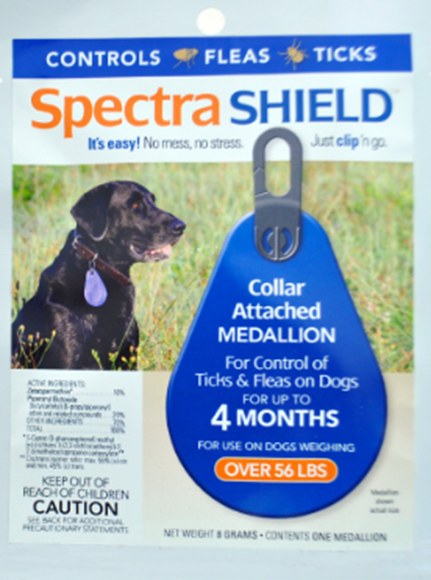
SpectraShield Flea and Tick Tag
NATURAL FLEA & TICK CONTROL FOR CATS
Videos
The Secret Life of Fleas
10 Effective Ways to Get Rid of Fleas (video)
Understanding Flea & Tick Control (video)
Potentially Toxic Flea Products (video)
Bath dog in sassafras tea. keeps fleas off 2 weeks.
An effective flower essence called Flee Free
Articles/Studies
Medicinal plant treatments for fleas and ear problems of cats and dogs in British Columbia, Canada
NOTE: DO NOT USE ESSENTIAL OILS ON CATS! They have very different systems of metabolism and therefore may not safely metabolize essential oils licked off of fur. However, a very very small amount of diluted frankincense or lavendar on the fleshy paw pad may be tolerated, though that would not be for fleas.