Prickly Ash Bark
See also: Zanthoxylum (genus)
Videos
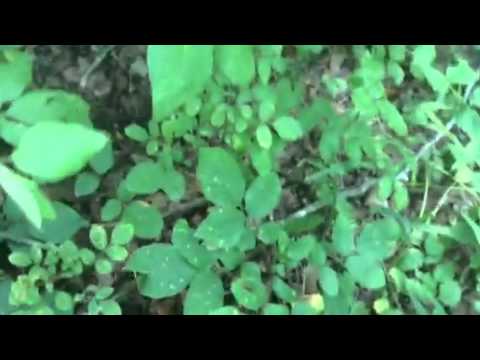
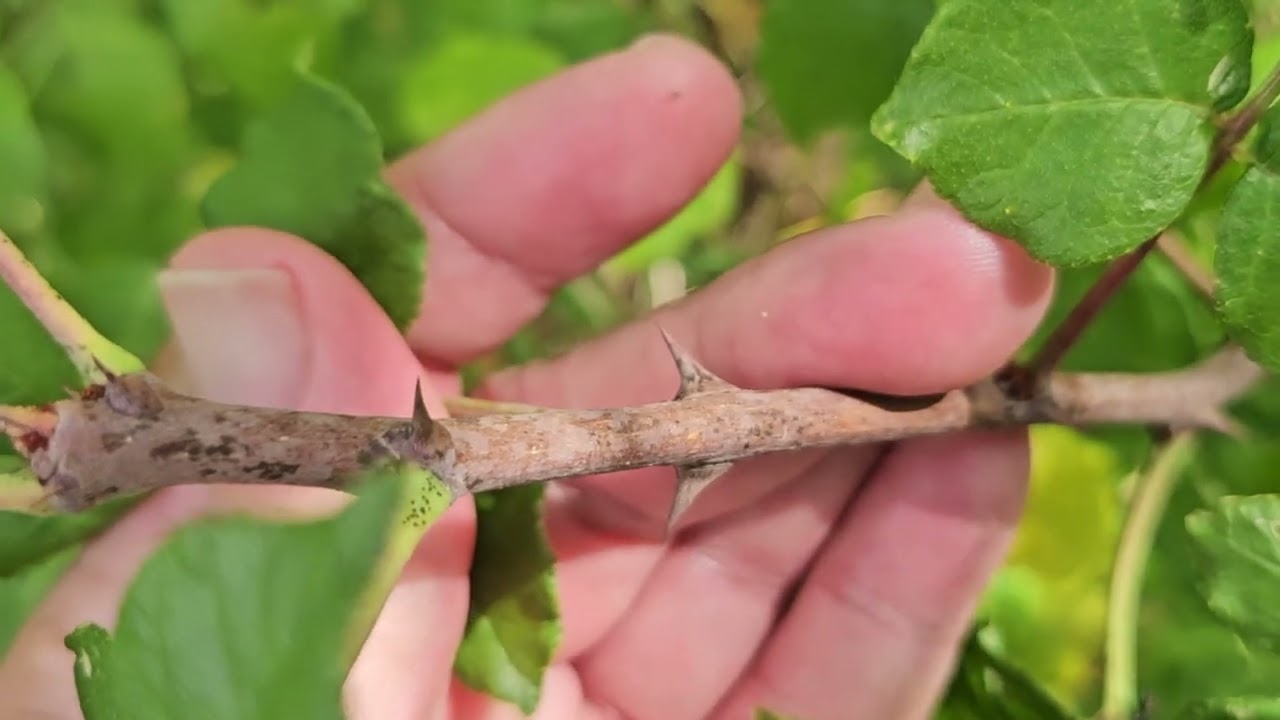

Scope: “Prickly ash” is a common name applied to several Rutaceae species. Confirm the botanical identity before harvesting or using medicinally. The North American toothache tree is commonly Zanthoxylum americanum; southern forms and Asian species are related but not interchangeable.
Identification cues
- Family: Rutaceae (citrus family); aromatic tissues and prickles are characteristic.
- Habit: Thorny shrub or small tree. Branches and trunks commonly bear stout, often paired prickles; older bark is gray to gray-brown and may show corky bumps.
- Leaves: Alternate, pinnate, aromatic when crushed; leaflets are typically serrate and arranged along a winged or slightly winged rachis in some species. Check leaflet number, shape, and rachis wings against a regional flora.
- Flowers: Small, greenish to yellow-green, generally in clusters; flowering details vary by species.
- Fruit: Small paired follicles/capsules that mature red-brown and split open, exposing dark, shiny seeds. The husks are aromatic, pungent, and may produce a tingling or numbing sensation.
- Bark: Inner bark is yellowish to yellowish-white, fragrant when fresh, and pungent/warming when chewed. Root bark and berries are historically important medicinal parts in North American usage.
- Field distinction: Do not confuse with Devil’s walkingstick (Aralia spinosa), a frequent adulterant/confusion. Use leaf arrangement, prickles, fruit, and a reliable botanical key; photographs alone may be insufficient.
Botanical overview
Zanthoxylum is a genus of aromatic shrubs and trees distributed in North America, Asia, and other regions. Relevant examples include Z. americanum (northern prickly ash/toothache tree), Z. clava-herculis and other southern taxa, Z. bungeanum (Chinese prickly ash/Sichuan pepper), and Z. alatum (winged prickly ash). Species differ in chemistry, potency, traditional use, and safety profile.
Primary parts used: stem/root bark and fruit husks/berries. The fruit is generally more volatile, pungent, carminative, antispasmodic, and transient than the bark; bark is traditionally regarded as a more sustained circulatory and nerve stimulant.
Constituents and pharmacological aspects
Reported constituents include volatile oils, acrid resins, tannins, coumarins and pyranocoumarins (including xanthyletin, xanthoxyletin, and alloxanthoxyletin), lignans, and isoquinoline-related alkaloids such as berberine, chelerythrine, nitidine, laurifoline, magnoflorine, and related fagarines. Composition varies substantially by species, plant part, geography, and preparation.
Traditional and pharmacological actions
- Peripheral circulation: pungent constituents produce warming, rubefacient, and vasomotor effects; traditionally used when extremities are cold or circulation is sluggish.
- Sensory nerves and pain: the bark and fruit have traditional analgesic and nerve-stimulating applications, including toothache, neuralgia, rheumatic pain, paresthesia, and muscle/joint discomfort. Fruit husks may produce oral tingling or anesthesia-like numbness.
- Digestive tract: aromatic and carminative activity may reduce gas, cramping, and digestive torpor, particularly in cold-pattern gastrointestinal complaints. Excess can irritate the stomach.
- Secretions and sweating: traditional preparations are described as stimulating salivation and peripheral sweating, especially in dry, cold, debilitated presentations.
- Antimicrobial research: extracts and isolated compounds have shown antibacterial, antifungal, and other antimicrobial activity in laboratory studies. These findings do not establish clinical efficacy or substitute for treatment of infection.
- Anti-inflammatory/antioxidant research: various Zanthoxylum extracts and constituents demonstrate activity in preclinical models; clinical evidence for specific therapeutic indications remains limited and species-dependent.
- Cardiovascular effects: historical sources describe increased cardiac activity and blood pressure with excessive dosing. This supports caution in people with hypertension, arrhythmia, or cardiovascular disease.
Traditional therapeutic profile
Prickly ash is classically considered pungent, warming, stimulating, and dispersing. Historical herbal practice emphasized cold extremities, toothache, neuralgia, rheumatic pain, sluggish digestion with gas or colic, and certain cold-associated respiratory or menstrual complaints. These are traditional indications, not established diagnoses or evidence-based treatment recommendations.
Parts Used: Bark; also the berry
Qualities: a bit pungent, sweet, bitter, sour, salty, astringent, warm, dry; stimulating, dispersing, restoring
Properties Alterative, analgesic, carminative, diaphoretic, circulatory stimulant
Tropism: nerves, lungs, heart and circulation, intestines, uterus, skin, pituitary, hypothalamus
Ground: Melancholic krasis; Sensitive/Tai Yin Metal and Burdened/Shao Yin biotypes; Mixed/Phosphoric/Grey-Green Iris and Lymphatic/Carbonic/Blue Iris constitutions
Tissue State Relevance of Prickly Ash Bark
Prickly Ash Bark (Zanthoxylum ramiflorum = Z. americanum) maps cleanly to three tissue states: Cold/Depression, Damp/Stagnation, and Wind/Tension.
It has minor relevance to Heat/Excitation and almost none to Dry/Atrophy.
1. Cold / Depression — Primary relevance
This is the strongest match.
Evidence:
- Traditionally used for aches and pains brought about by aging, with cold and poor circulation tsnshift.s3.amazonaws.com
- Used for rheumatism, arthritis, peripheral circulatory insufficiency, and cold digestive patterns (vomiting, diarrhea, gastralgia) tsnshift.s3.amazonaws.com
- Stimulates peripheral circulation, improves lymphatic drainage, and relieves cold/chills sensations during fevers tsnshift.s3.amazonaws.com
Tissue-state translation:
- Warms and activates cold, stagnant tissues
- Restores circulation to low‑tone joints and extremities
- Useful for cold rheumatic pain, cold gut, cold stagnation in limbs
2. Damp / Stagnation — Strong relevance
Prickly Ash is one of the clearest herbs for damp stagnation in North American herbalism.
Evidence:
- Supports lymphatic drainage and relieves edema tsnshift.s3.amazonaws.com
- Used for skin conditions related to poor circulation and drainage tsnshift.s3.amazonaws.com
- Historically used for leg ulcers, intermittent claudication, Raynaud’s syndrome, and other stagnation‑driven circulatory issues EBSCO
Tissue-state translation:
- Clears damp congestion in tissues
- Moves lymph and peripheral blood
- Addresses boggy, swollen, poorly perfused areas
3. Wind / Tension — Moderate relevance
Prickly Ash relaxes spasmodic or irritated tissues while stimulating circulation.
Evidence:
- Has antispasmodic and analgesic actions; relieves muscle spasms and muscle paralysis tsnshift.s3.amazonaws.com
- Used for joint stiffness, muscle pain, and sore muscles biologyinsights.com
Tissue-state translation:
- Reduces tension in muscles and connective tissues
- Helps tissues “wake up” from spasm or paralysis
- Useful for stiff, tight, circulation‑poor patterns
4. Heat / Excitation — Minor relevance
Prickly Ash is warming and stimulating, but not primarily cooling.
Evidence:
- Has anti-inflammatory and anti-pyretic actions tsnshift.s3.amazonaws.com
- Used in fevers to relieve chills, but not as a cooling herb
Tissue-state translation:
- Can reduce inflammatory irritation when stagnation is present
- Not indicated for hot, overactive, excitable tissues unless cold/damp underlies the pattern
5. Dry / Atrophy — Minimal relevance
Prickly Ash is not demulcent, moistening, or rebuilding.
Evidence:
- Its actions are warming, stimulating, circulatory, lymphatic, not restorative or moistening
- No evidence of mucilage, demulcent, or trophorestorative activity in the search results
Tissue-state translation:
- Not indicated for dryness, atrophy, or depleted tissues
- Best combined with moistening herbs if dryness is present
Summary Table — Prickly Ash Bark & Tissue States
| Tissue State | Relevance | Why |
|---|---|---|
| Cold / Depression | ⭐⭐⭐⭐⭐ | Strong circulatory stimulant; used for cold rheumatism, cold gut, poor circulation |
| Damp / Stagnation | ⭐⭐⭐⭐ | Moves lymph, relieves edema, improves drainage |
| Wind / Tension | ⭐⭐⭐ | Antispasmodic; relieves stiffness, spasms, paralysis |
| Heat / Excitation | ⭐⭐ | Anti-inflammatory; minor relevance unless cold/damp underneath |
| Dry / Atrophy | ⭐ | No moistening or rebuilding actions |
Application
Prickly Ash belongs in modules on circulatory activation, lymphatic movement, and cold/damp rheumatic patterns.
Best paired with:
- Ginger or Cayenne for deeper warming
- Cleavers for lymphatic synergy
- Goldenrod for cold/depressed connective tissue
- Solomon’s Seal only when dryness or strain coexists with cold/damp
Avoid pairing with strongly drying herbs if tissues are already depleted.
Tcm & western herbal Uses
It increases peripheral circulation and is indicated for people with cold extremities or Raynaud’s disease. It is used for peripheral neuropathies or sciatica with damaged, numb, tingling, or extremely painful nerves that cause a person to writhe in agony.
Specific Indications Felter: Relaxation of mucous with hypersecretion. Atony of nervous system. Tympanites, gastrointestinal torpor, with deficient secretion; dryness of mouth and fauces.
1. STIMULATES CIRCULATION, DISPELS WIND/DAMP/COLD AND RELIEVES MUSCLE AND NERVE PAIN; PROMOTES SWEATING AND OPENS THE SINUSES
wind/damp/cold obstruction: acute neuralgic or rheumatic pain, cold extremities
RHEUMATIC CONDITIONS, FIBROMYALGIA
NEURALGIA, postpartum/sacral/dorsal/abdominal pain (esp. in deficiency conditions), headache,, dysmenorrhea, toothache, sore throat
head damp cold: painful congested head or sinuses, watery nasal discharge, toothache
ACUTE SINUSITIS, chronic pharyngitis
Peripheral circulatory insufficiency, Moves blood to the periphery
Raynaud's
Skin disease marked by sluggish circulation • Varicose veins and varicose ulcers
Intermittent claudication
Leg cramps
Relieves choking in the throat
Helps with persistent arthritic pain by driving and "conducting"-- anti-arthritic herbs deep into the muscles and joints. For these reasons it's "warming" characteristic or "energetic", it's ability to drive deeply, and it's consequent pain-relieving ability it would be a good addition to a Lyme formula.
2. STIMULATES DIGESTION, WARMS THE MIDDLE AND RELIEVES PAIN; REDUCES INFECTION AND DISCHARGE
intestines cold (Spleen Yang deficiency) ; diarrhea, colic, cold distended abdomen, exhaustion
CHRONIC ENTERITIS (inc. CHOLER, DYSENTERY, typhus), IBS with pain
PEPTIC ULCERS with pain from deficiency cold
3. PROMOTES MENSTRUATION AND RELIEVES AMENHORRHEA; PROMOTES URINATION AND RESOLVES TOXICOSIS
uterus cold: delayed or stopped menses with cramps before onset, chills
AMENORRHEA, dysmenorrhea
kidney Qi stagnation with metabolic toxicosis; dry skin, skin rashes, poor appetite, malaise
CHRONIC GOUT, rheumatism, arthritis
4. TONIFIES THE QI, REPLENISHES DEFICIENCY AND GENERATES STRENGTH; STIMULATES THE NERVES AND ENHANCES IMMUNITY
heart and lung Qi deficiency; weakness, shortness of breath, chest oppression, spontaneous sweating, palpitations
neuromuscular deficiency (Liver and Kidney depletion): exhaustion, local numbness or paralysis
HEMIPLEGIA, ataxia, tongue paralysis
EXHAUSTION or DEBILITY from overwork, stress, illness, constitution, chronic fatigue syndrome,
IMMUNODEFICIENCY DISORDERS (incl CFS), hypothalamus and pituitary deficiency
5. PROMOTES TISSUE REPAIR AND REDUCES INFECTION
INDOLENT ULCERS, wounds
ENTERITIS, LUNG TB
NOTES - HOLMES
Various parts of the Prickly ash tree have long been used by Native, African and European Americans alike for toothache, rheumatic pains and intestinal complaints. We have JOHN KING to thank, however, for its formal introduction in 1894 as a remedy into Western herbal medicine. With perfect timing and shrewd guesswork KING'S Eclectic practitioners used this remedy from the Southern States with dynamic results in the cholera and typhus epidemics of those years. Essentially, they were treating Spleen Yang deficiency with diarrhea, abdominal pain, prostration, etc. with the bark and the berry's intestinal/stimulant/relaxant actions.
Chinese medicine uses the berry of a related species, Zanthoxylum bungeanum, the remedy chuan jiao,in precisely the same way.
More recently, Prickly ash bark has been shown to possess anti-tubercular as well as antibacterial properties. In this connection, it is interesting to note that there were suitable botanical anti-infective and antibiotic agents, such as this one, available at the turn of the nineteenth century. Had penicillin not been discovered and the drive to standardization not been the crucial issue, the use of plant anti-infectives could easily have been developed wholesale. It is also ironic that the distillation of highly anti-infective essential oils also saw renewed interest in Europe at this time.
Since then, the spicy bark and berry of the Amerian Zanthoxylum has been mainly considered a general stimulant, especially for peripheral circulation. In generating internal and superficial warmth, and by dispelling cold and invigorating the collaterals, Prickly ash bark essentially addresses deficiency cold and wind/damp/cold obstruction syndromes. Painful and paresthesic rheumatic and neuralgic conditions are treated all the more as the remedy also exerts a distinct nerve stimulant action on peripheral neuromuscular tissues.
The bark's mild astringency helps resolve mucousy conditions n the head and intestines. The circulatory stimulation extends to renal functions where kidney stagnation is relieved and conditions of chronic metabolic toxicosis involving skin, muscles, and joints are improved.
There is yet another slant to this botanical, however, that point to Qi tonifying functions. Prickly ash bark is a neuroendocrine stimulant working on the hypothalamus and pituitary. As such, it would possess long-range systemic restorative effects that enhance immune potential. This Southern botanical can address severe and chronic deficiencies of the heart, lungs and digestion, and as such, like Elecampane root and Astragalus root, may have a place in fu zhen therapy---therapy that aims to "tonify authentic vitality."
Zanthoxylum rhoiofolium Lam leaf oil has anti-tumor activity.
The Physiomedical Dispensatory by William Cook, M.D., 1869
The bark and the fruit of prickly-ash are medicinal. The bark is grayish-white externally, yellowish-white and smooth internally, about an eighth of an inch in thickness, brittle, and comes to market in pieces from one to three inches long and somewhat quilled. When fresh, it is fragrant; when dry, almost inodorous, with at first a sweetish, and afterwards a pungent and warming taste. Diluted alcohol extracts its properties pretty thoroughly, hot water acts well upon
it, and eighty percent alcohol completely. The berries are gathered with the capsules, the latter being more decidedly medicinal than the seeds. These capsules are two-valved, brownish and dotted externally, yellowish-white internally, oval, an eighth of an inch long, containing a volatile oil, and of an extremely warming aromatic taste. Strong alcohol acts on them readily, water to only a limited extent.
Properties and Uses: The bark possesses a moderate quantity of relaxing power, associated with an excess of stimulation; acts rather promptly and diffusively; and leaves behind a warm impression, with an acceleration of the capillaries and smaller arterial circulation. The circulation, skin, salivary glands, and lymphatic system feel most of its influence; the serous and mucous tissues, and the kidneys, also being acted on. It is much more pungent and heating than zingiber, and much less so than capsicum; yet it is suited only to languid conditions, and should not be employed when the stomach is irritable. It increases the flow of saliva quite actively, and is excellent in dryness of the mouth and throat in low states of the system; and is a good associate of hydrastis and capsicum as a gargle in scarlatina and diphtheria. A warm infusion favors full outward circulation, and is of service in all cases of capillary stagnation with blunted sensibilities, as recent colds, obstructed menstruation from exposure, colic from exposure, and as an associate with asclepias in typhoid fever cases where the extremities are cold and the patient is listless. The profession scarcely values it as it deserves in these connections. In sub-acute and chronic rheumatism, it is an agent of the most excellent qualities; and may be used in warm infusion for acute cases, especially in company with cimicifuga, or in cold preparations with such articles as cimicifuga and the berries of phytolacca for chronic cases. As a general stimulant, to arouse sensibility and arterial action, it may be associated with suitable tonics and alterants in the treatment of syphilis, mercurial poisoning, dropsy, agues, and hepatic derangements.
Externally, the powder is a valuable application for malignant and phagedrenic ulcers, indolent chancres and buboes, and similar low conditions; and the tincture is of use in mildly stimulating liniments. Some value it in paralysis, especially of the tongue; and it is of service for mild cases, and as a wash to the mouth and over the glottis in loss of voice. From five to twenty grains of the powder may be used three times a day. An ounce of the crushed bark to a
quart of hot water, makes the common infusion; of which a fluid ounce may be given at intervals of one or two hours. Large doses give a feeling of nausea, and may cause an unpleasant burning in the stomach of a person at all sensitive; whence it is usually better to repeat medium doses at moderate intervals. This bark is an ingredient in the new officinal Composition Powder. One part of leptandrin and four of xanthoxylum bark, in suitable doses every four hours, are peculiarly valuable in all bilious diarrheas.