Scabious Root & Herb
See also: Scabiosa (genus)
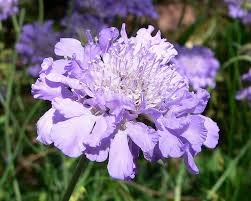
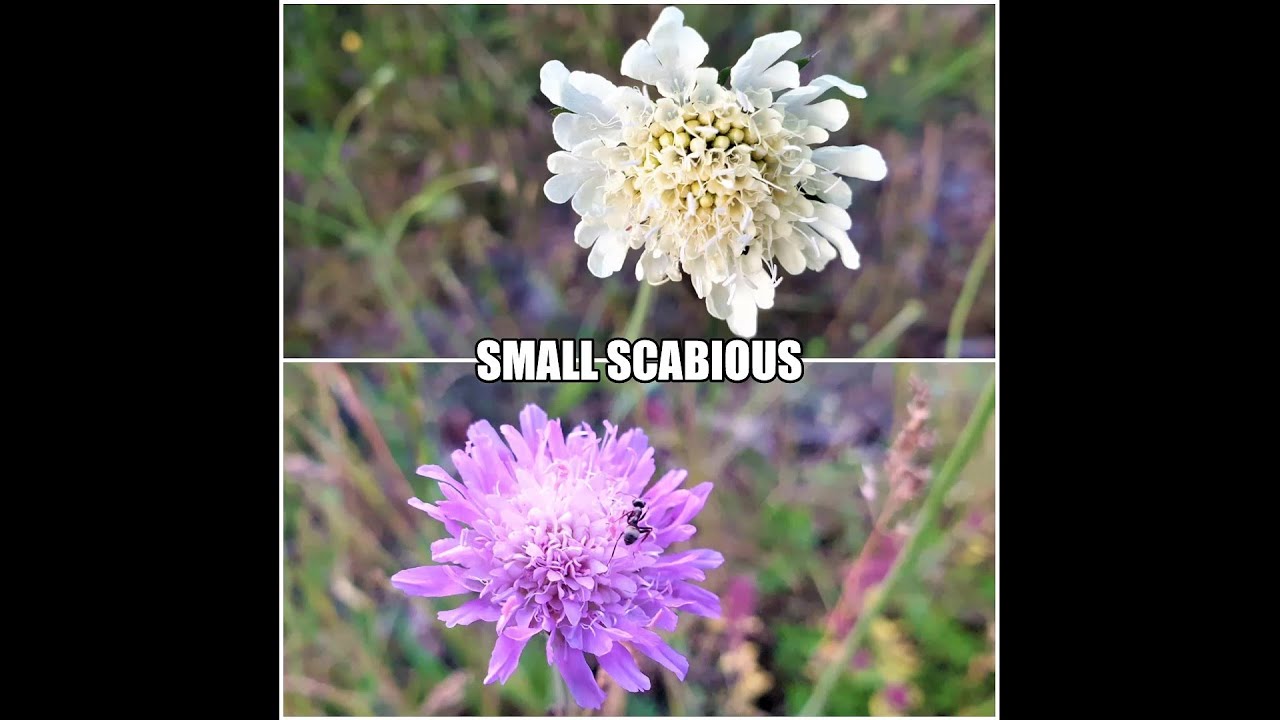
Scabiosa columbaria, commonly known as the small scabious or dwarf pincushion flower, is a perennial plant that belongs to the Caprifoliaceae family. This charming and versatile plant is native to Europe and parts of Asia, and it has become a popular choice for gardeners and landscapers due to its attractive flowers and ease of care.
Botanical Characteristics
Appearance
Scabiosa columbaria typically grows to a height of 12 to 24 inches (30 to 60 cm) and spreads about 12 inches (30 cm) wide. The plant features slender, branching stems that bear delicate, lavender-blue to pale pink flowers. Each flower head is about 1 to 2 inches (2.5 to 5 cm) in diameter and resembles a pincushion, hence the common name. The leaves are lance-shaped, deeply lobed, and form a basal rosette.
Flowering and Foliage
The flowering period for Scabiosa columbaria extends from late spring to early fall, providing a long season of interest in the garden. The flowers are not only visually appealing but also attract a variety of pollinators, including bees, butterflies, and other beneficial insects. The foliage remains evergreen in mild climates, adding year-round texture and color to the landscape.
Growing Conditions
Soil Requirements
Scabiosa columbaria thrives in well-drained soil with a neutral to slightly alkaline pH. It prefers sandy or loamy soils but can tolerate clay if it is well-drained. Good drainage is crucial to prevent root rot, especially in areas with heavy rainfall.
Sunlight
This plant flourishes in full sun to partial shade. While it can tolerate some shade, full sun exposure ensures the best flowering performance. In hotter climates, providing some afternoon shade can help protect the plant from excessive heat.
Watering
Scabiosa columbaria is relatively drought-tolerant once established. Regular watering is necessary during the first growing season to help the plant establish a strong root system. Afterward, it requires only occasional watering, particularly during prolonged dry spells.
Fertilization
A light application of balanced fertilizer in the spring can promote healthy growth and abundant flowering. Over-fertilization should be avoided, as it can lead to excessive foliage growth at the expense of flowers.
Propagation
Seed Propagation
Scabiosa columbaria can be easily propagated from seeds. Sow the seeds in a well-draining seed-starting mix and cover them lightly with soil. Keep the soil moist but not waterlogged. Germination typically occurs within 2 to 3 weeks. Once the seedlings are large enough to handle, they can be transplanted into the garden.
Division
Another method of propagation is division. In early spring or fall, dig up the plant and carefully separate the clumps into smaller sections, each with a portion of the root system. Replant the divisions at the same depth they were growing previously and water them well.
Pests and Diseases
Scabiosa columbaria is generally resistant to most pests and diseases. However, it can occasionally be affected by:
- Aphids: These small, sap-sucking insects can be controlled with insecticidal soap or by introducing natural predators like ladybugs.
- Powdery Mildew: This fungal disease appears as a white, powdery coating on the leaves. It can be managed by ensuring good air circulation around the plants and avoiding overhead watering.
- Root Rot: Caused by poorly drained soil, root rot can be prevented by planting in well-drained soil and avoiding overwatering.
Uses in the Garden
Ornamental Use
Scabiosa columbaria is a versatile plant that can be used in various garden settings:
- Borders and Edges: Its compact size and long blooming period make it an excellent choice for borders and edges.
- Rock Gardens: The plant's preference for well-drained soil makes it suitable for rock gardens.
- Wildflower Gardens: Its ability to attract pollinators makes it a valuable addition to wildflower gardens and pollinator-friendly landscapes.
Cut Flowers
The delicate, long-lasting flowers of Scabiosa columbaria make it an excellent choice for cut flower arrangements. The blooms can be harvested throughout the growing season and used in fresh or dried floral displays.
This remedy is virtually identical in its nature and functions and uses to Pleurisy Root with the following differences:
- Scabious Root & Herb may be somewhat less effective than Pleurisy root
- Unlike Pleurisy root, Scabious root & herb is not used as a relaxant expectorant in asthmatic and Qi constraint conditions of the lungs and intestines
- Scabious' mostly external applications and uses (to be covered later)
Preparation:
Both root and herb are used in decoction and tincture. Excellent topical applications are made with these (swabs, compresses, ointments, etc.)
Dose: Decoction 5-10 g
Tincture: 2-4 ml
Cautions:none