Poikiloderma
How to Cover Poikiloderma With Makeup : Facials & Skin Care

Poikiloderma is a term used to describe a group of skin conditions characterized by a combination of atrophy, telangiectasia, and changes in pigmentation. These changes often result in a mottled appearance of the skin, typically affecting areas exposed to the sun, such as the neck and face. While poikiloderma itself is not a disease, it is a clinical sign that can be associated with various underlying conditions.
Characteristics of Poikiloderma
Poikiloderma is marked by three primary features:
- Atrophy: This refers to the thinning of the skin, which can make it appear more fragile and translucent.
- Telangiectasia: These are small, dilated blood vessels near the surface of the skin, often appearing as fine red lines.
- Pigmentary Changes: This includes both hyperpigmentation (darkening of the skin) and hypopigmentation (lightening of the skin), leading to a mottled or patchy appearance.
Common Types of Poikiloderma
Several types of poikiloderma exist, each associated with different causes and conditions:
1. Poikiloderma of Civatte
This is the most common form of poikiloderma, typically affecting middle-aged and older individuals. It is characterized by reddish-brown discoloration on the sides of the neck and cheeks. Sun exposure and hormonal changes are believed to contribute to its development. While it is benign, it can be cosmetically concerning for some individuals.
2. Hereditary Poikiloderma
This type is associated with genetic conditions such as Rothmund-Thomson syndrome and Kindler syndrome. These conditions often present in childhood and can be accompanied by other systemic symptoms, including skeletal abnormalities and an increased risk of certain cancers.
3. Poikiloderma Atrophicans Vasculare
This rare form is associated with connective tissue diseases like dermatomyositis and lupus erythematosus. It can also be a feature of certain lymphomas. The skin changes are often accompanied by systemic symptoms related to the underlying disease.
Causes and Risk Factors
The exact cause of poikiloderma can vary depending on the type and underlying condition. However, several common factors can contribute to its development:
- Sun Exposure: Ultraviolet (UV) radiation is a significant factor, particularly in poikiloderma of Civatte. Chronic sun exposure can lead to skin damage and the characteristic changes seen in poikiloderma.
- Genetic Predisposition: Hereditary forms of poikiloderma are linked to genetic mutations that affect skin development and repair.
- Autoimmune Disorders: Conditions like dermatomyositis and lupus can cause poikiloderma as part of their systemic effects on the skin.
- Hormonal Changes: These can influence the development of poikiloderma, particularly in women during menopause.
Diagnosis
Diagnosing poikiloderma typically involves a clinical examination by a dermatologist. The characteristic appearance of the skin changes is often sufficient for diagnosis. However, in cases where an underlying condition is suspected, additional tests may be necessary, including:
- Skin Biopsy: To examine the skin tissue under a microscope and rule out other conditions.
- Blood Tests: To check for markers of autoimmune diseases or genetic conditions.
- Imaging Studies: In cases where systemic involvement is suspected, imaging may be used to assess internal organs.
Treatment and Management
While poikiloderma itself is not harmful, treatment is often sought for cosmetic reasons or to address underlying conditions. Management strategies may include:
- Sun Protection: Using broad-spectrum sunscreen and protective clothing to prevent further sun damage.
- Topical Treatments: Creams containing retinoids or hydroquinone may help improve pigmentation changes.
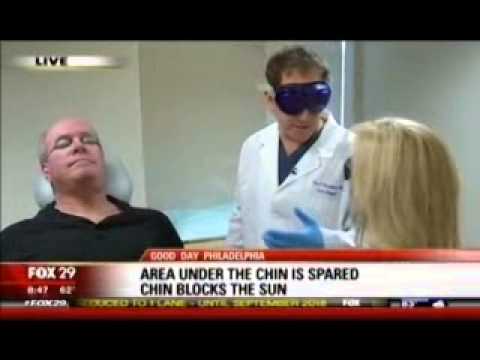
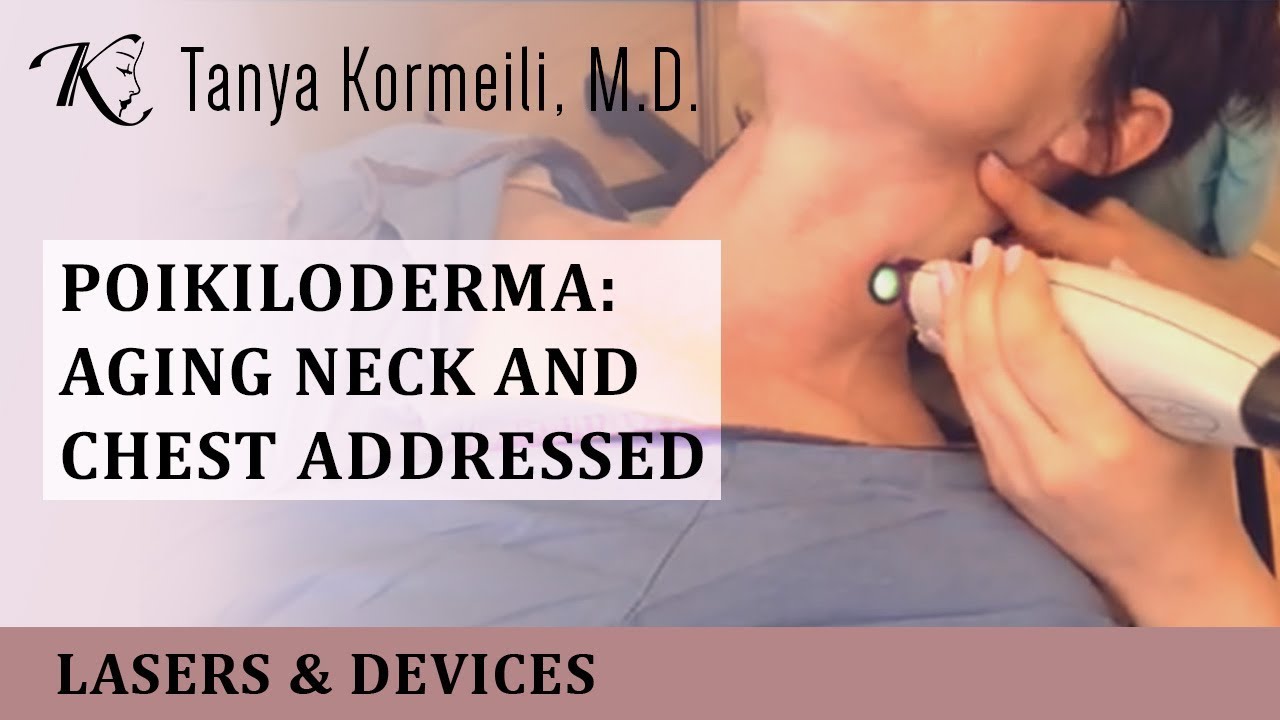
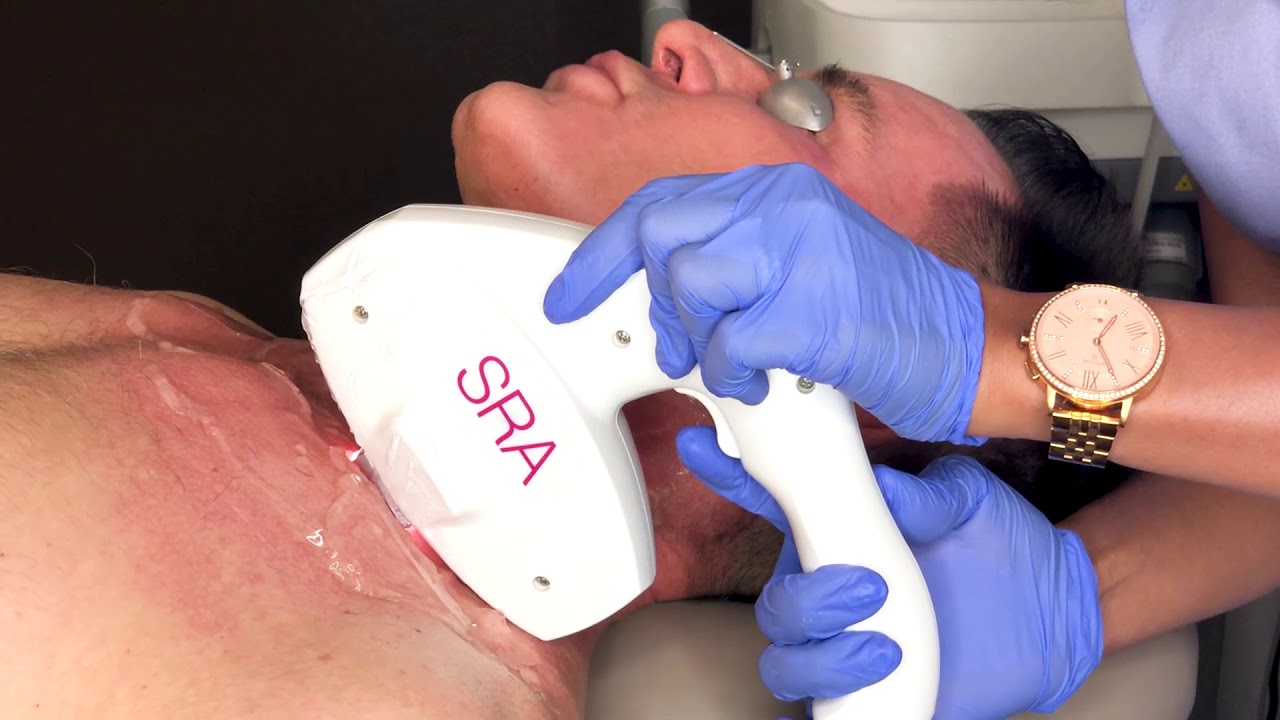
- Laser Therapy: Certain laser treatments can reduce telangiectasia and pigmentation irregularities.
- Addressing Underlying Conditions: For poikiloderma associated with systemic diseases, treating the primary condition is crucial.