Plant Structure
Plant Structure

Vegetative terminology part 1
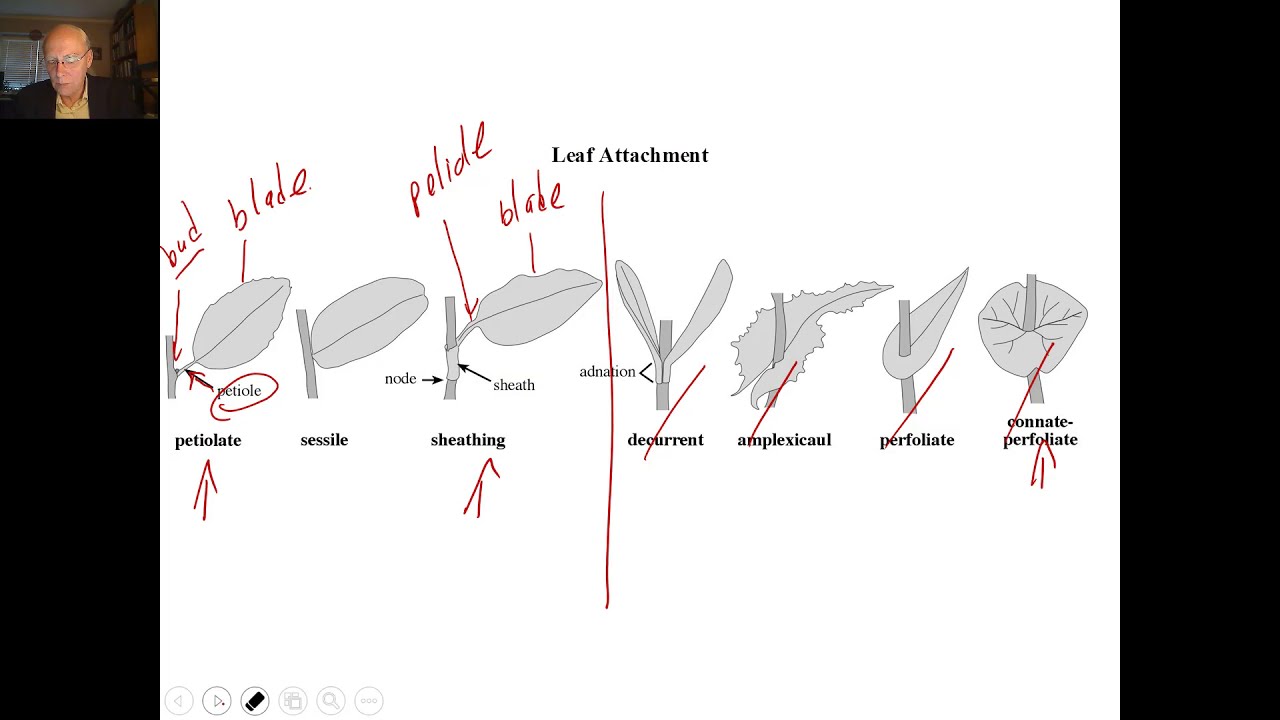
Part 2
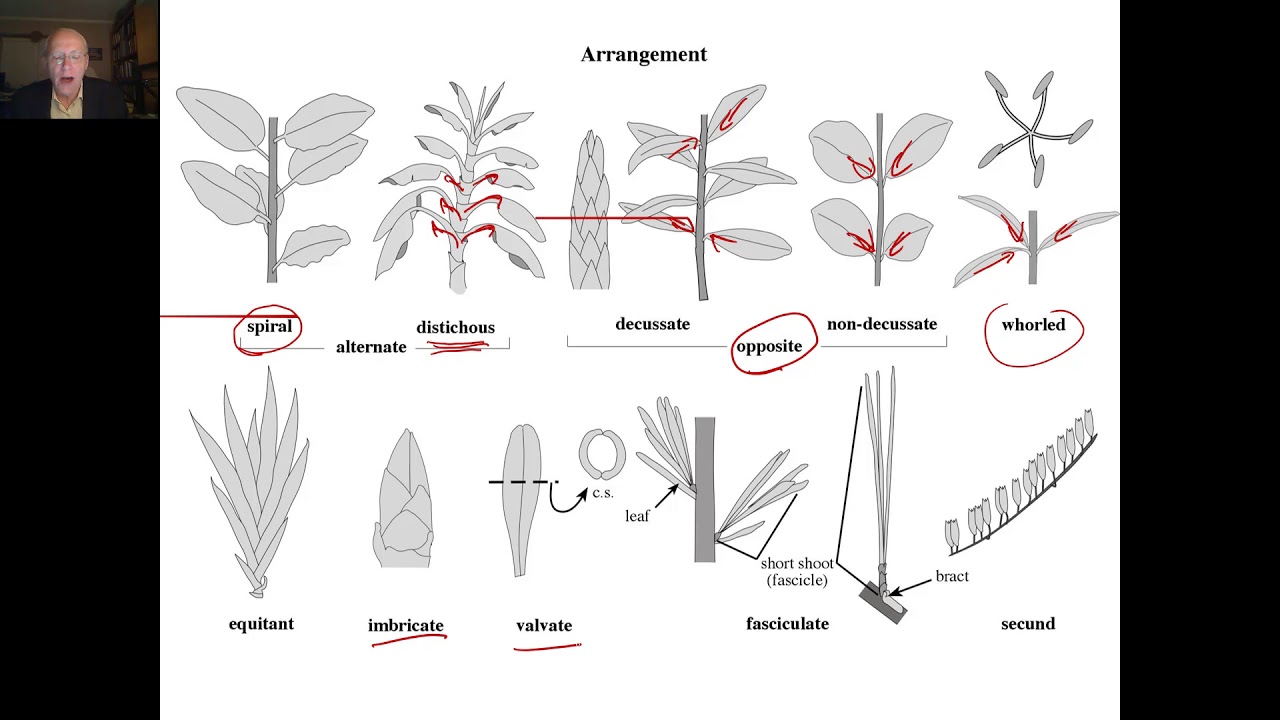
Like animals, plants are multicellular eukaryotes whose bodies are composed of organs, tissues, and cells with highly specialized functions. The relationships between plant organs, tissues, and cell types are illustrated below.
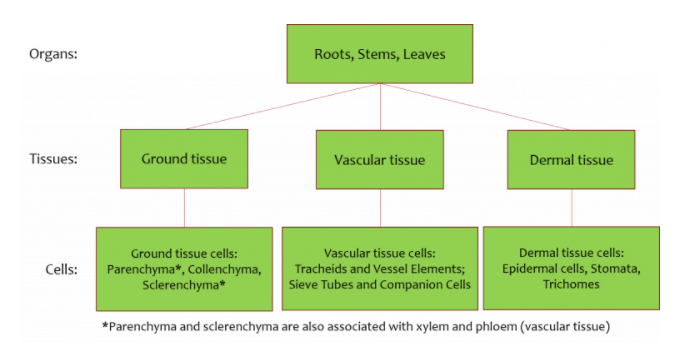
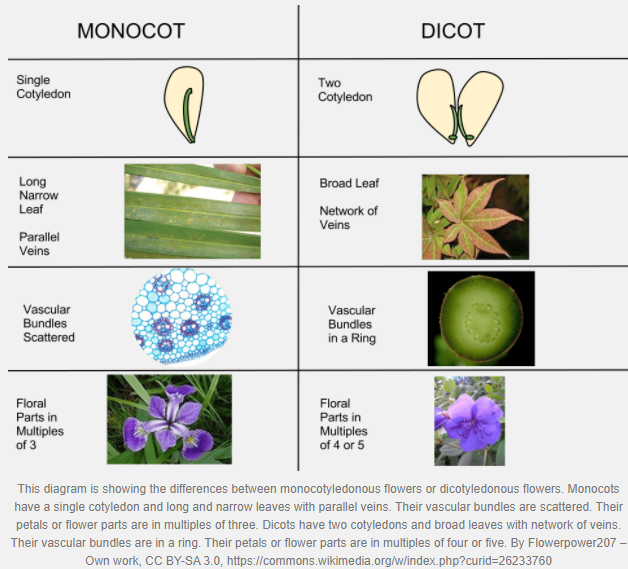
This diagram summarizes the differences between Monocots and Dicots:
Plants are complex organisms that play a crucial role in the ecosystem. Their structure is intricately designed to support various functions such as photosynthesis, nutrient absorption, and reproduction. Understanding plant structure is essential for botanists, gardeners, and anyone interested in plant biology.
Major Components of Plant Structure
Plant structure can be broadly divided into two main systems: the root system and the shoot system. Each system comprises various parts that work together to ensure the plant's survival and growth.
Root System
The root system is typically located below the ground and serves several vital functions:
- Anchorage: Roots anchor the plant firmly in the soil, providing stability.
- Absorption: They absorb water and essential minerals from the soil, which are crucial for the plant's growth and metabolic processes.
- Storage: Roots often store food and nutrients, which can be used by the plant during periods of scarcity.
- Transport: They transport water and nutrients to the shoot system through specialized tissues.
Roots can be further classified into two types:
- Taproots: A single, thick primary root that grows deep into the soil, often found in dicots like carrots and dandelions.
- Fibrous Roots: A network of thin, branching roots that spread out in the soil, common in monocots like grasses.
Shoot System
The shoot system is above the ground and includes several key components:
- Stems: Stems provide support, holding leaves, flowers, and fruits. They also serve as conduits for transporting water, nutrients, and photosynthates between roots and leaves.
- Leaves: Leaves are the primary sites for photosynthesis, the process by which plants convert light energy into chemical energy. They are typically flat and broad to maximize light absorption.
- Flowers: Flowers are the reproductive structures of angiosperms. They facilitate pollination and the production of seeds.
- Fruits: Fruits develop from fertilized flowers and contain seeds. They aid in seed dispersal, ensuring the propagation of the plant species.
Specialized Plant Structures
In addition to the basic components, plants have evolved various specialized structures to adapt to their environments:
- Tendrils: These are slender, coiling structures that help climbing plants attach to supports.
- Thorns: Sharp, pointed structures that protect plants from herbivores.
- Bulbs: Underground storage organs that allow plants to survive adverse conditions, such as onions and tulips.
- Rhizomes: Horizontal underground stems that enable plants to spread and colonize new areas, like ginger and ferns.
Plant Tissue Types
Plant structure is supported by different tissue types, each with specific functions:
- Dermal Tissue: The outer protective layer that prevents water loss and protects against pathogens.
- Vascular Tissue: Comprising xylem and phloem, this tissue is responsible for the transport of water, nutrients, and sugars throughout the plant.
* Xylem: Conducts water and dissolved minerals from roots to the rest of the plant.
* Phloem: Transports sugars and other organic compounds produced during photosynthesis.
- Ground Tissue: Fills the interior of the plant and is involved in photosynthesis, storage, and support.