Appendix
Return to Digestive System Menu
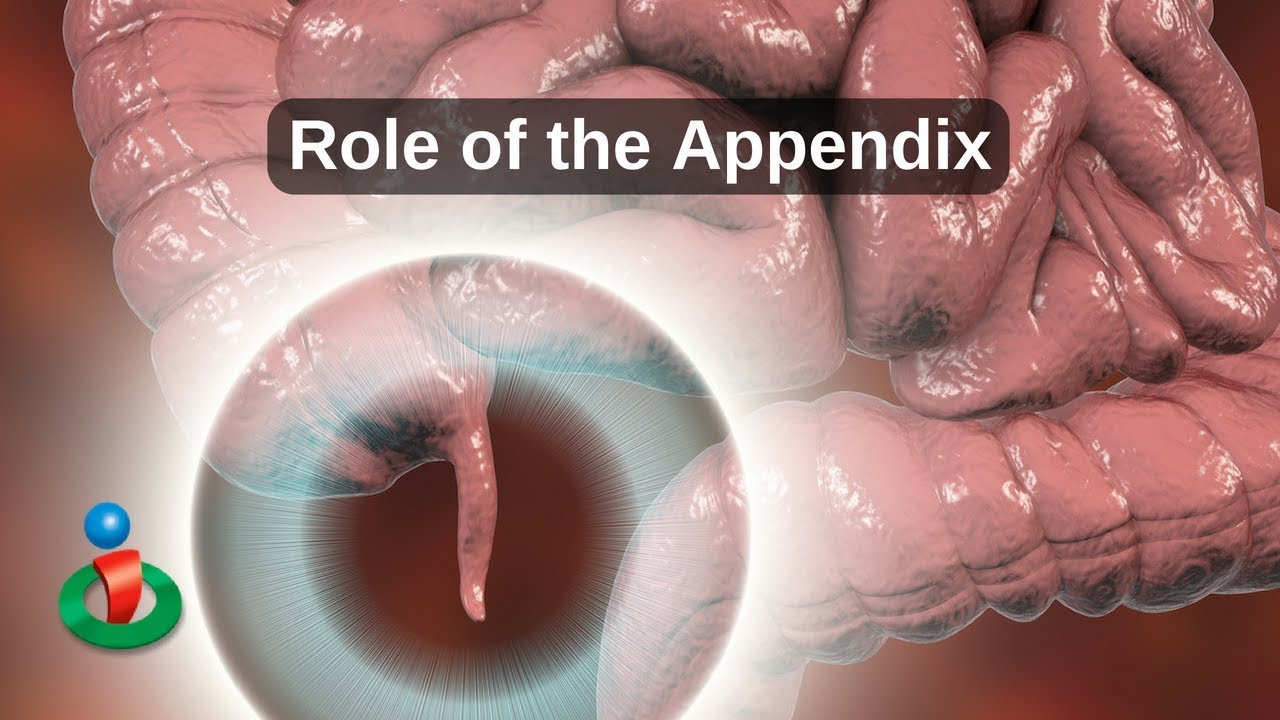


The appendix is a small, tube-like structure attached to the large intestine, specifically at the junction of the small and large intestines. Despite its small size and seemingly insignificant role, the appendix has been a subject of medical and scientific interest for many years.
Anatomy of the Appendix
The appendix is a narrow, finger-shaped pouch that projects from the cecum, which is the first part of the large intestine. It is typically located in the lower right quadrant of the abdomen. The length of the appendix can vary, but it is usually about 2 to 4 inches long. The appendix is composed of several layers, including:
- Mucosa: The innermost layer, which is similar to the lining of the large intestine.
- Submucosa: A layer of connective tissue that contains blood vessels and nerves.
- Muscularis: A layer of smooth muscle that helps in the movement of contents within the appendix.
- Serosa: The outermost layer, which is a thin membrane covering the appendix.
Function of the Appendix
For many years, the appendix was considered a vestigial organ, meaning it was thought to have lost its original function through evolution. However, recent studies suggest that the appendix may play a role in the immune system. It is believed to act as a reservoir for beneficial gut bacteria, which can help repopulate the intestines after a gastrointestinal infection. Additionally, the appendix contains lymphoid tissue, which is involved in the production of antibodies and the regulation of immune responses.
Evolutionary Perspective
The appendix is present in a variety of mammals, including some primates, rodents, and marsupials. Its presence across different species suggests that it may have had an important function in the past. One theory is that the appendix was once involved in the digestion of cellulose-rich plant material, which was more prevalent in the diets of early mammals. As human diets evolved to include more easily digestible foods, the appendix's role in digestion diminished, leading to its classification as a vestigial organ.
Clinical Significance
The appendix is most commonly known for its association with appendicitis, a condition characterized by inflammation of the appendix. Appendicitis is a medical emergency that requires prompt treatment, usually in the form of surgical removal of the appendix, known as an appendectomy. Symptoms of appendicitis include:
- Sudden pain that begins around the navel and often shifts to the lower right abdomen
- Nausea and vomiting
- Loss of appetite
- Fever
- Abdominal swelling
If left untreated, an inflamed appendix can rupture, leading to a serious infection called peritonitis. This can be life-threatening and requires immediate medical attention.
Other Conditions Related to the Appendix
In addition to appendicitis, there are other conditions that can affect the appendix, including:
- Appendiceal tumors: These are rare and can be benign or malignant. Symptoms may mimic those of appendicitis.
- Mucocele of the appendix: A condition where the appendix becomes filled with mucus, which can lead to obstruction or rupture.
- Carcinoid tumors: A type of slow-growing cancer that can occur in the appendix and may require surgical removal.
Diagnosis and Treatment
Diagnosing appendicitis can be challenging, as its symptoms often overlap with other abdominal conditions. Physicians typically use a combination of physical examinations, blood tests, and imaging studies such as ultrasound or CT scans to confirm the diagnosis. Once diagnosed, the standard treatment for appendicitis is an appendectomy. This procedure can be performed using traditional open surgery or minimally invasive laparoscopic techniques, which offer faster recovery times and less postoperative pain.
Post-Surgical Considerations
After an appendectomy, most patients recover quickly and can return to normal activities within a few weeks. However, it is important to follow postoperative care instructions, which may include:
- Avoiding strenuous activities for a specified period
- Keeping the surgical site clean and dry
- Monitoring for signs of infection, such as redness, swelling, or discharge
In some cases, patients may experience complications such as infection or bowel obstruction, which require further medical attention.