Blisters
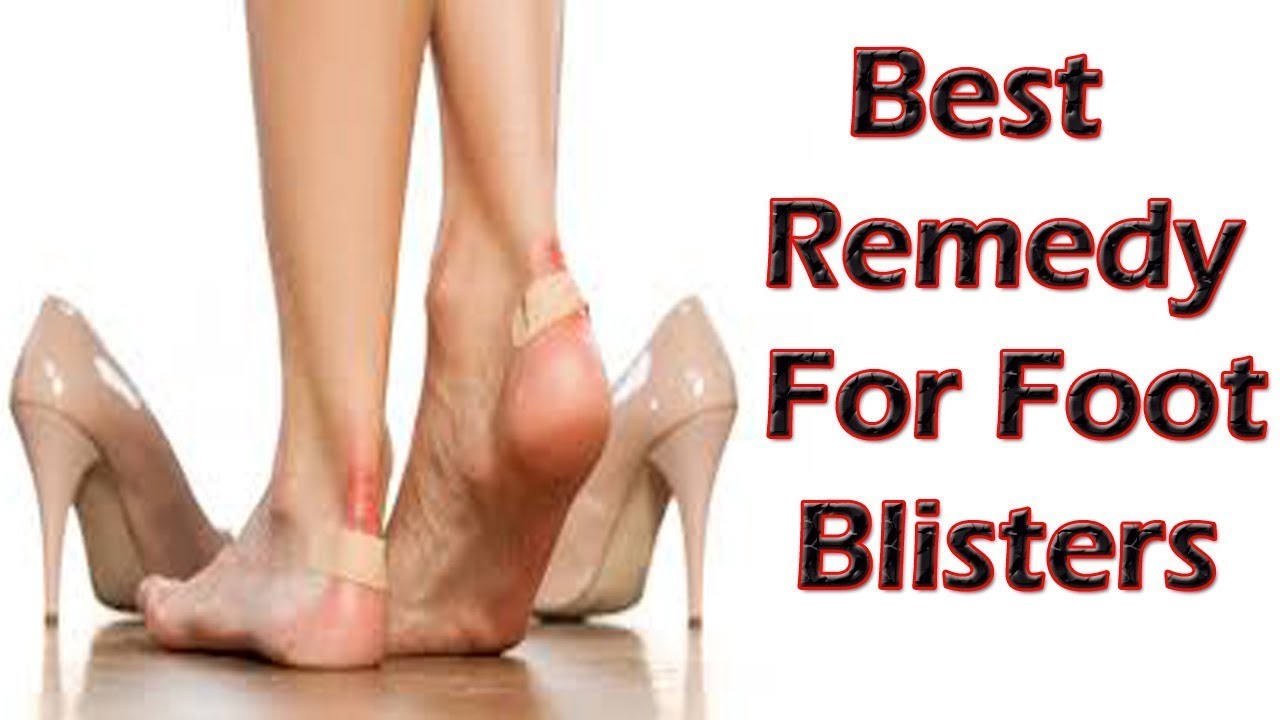

Blisters are small pockets of fluid that form on the upper layers of the skin. They are a common condition that can occur due to various reasons, including friction, burns, infections, and certain medical conditions. While often not serious, blisters can be painful and uncomfortable, and understanding their causes, prevention, and treatment can help manage them effectively.
Causes of Blisters
Blisters can develop due to several factors:
- Friction: This is the most common cause of blisters. Repeated rubbing against the skin, often from shoes or tools, can lead to the formation of blisters. This is why athletes and hikers frequently experience blisters on their feet.
- Burns: Thermal burns, sunburns, and chemical burns can cause blisters as the skin reacts to the damage.
- Infections: Certain infections, such as chickenpox, herpes, and impetigo, can cause blisters to form on the skin.
- Allergic Reactions: Contact dermatitis, which is an allergic reaction to substances like poison ivy or certain chemicals, can result in blistering.
- Medical Conditions: Some medical conditions, such as eczema, dyshidrosis, and autoimmune diseases like pemphigus, can cause blisters.
Types of Blisters
Blisters can be classified into different types based on their cause and appearance:
- Friction Blisters: These are filled with a clear fluid and are usually found on the hands and feet.
- Blood Blisters: These occur when blood vessels under the skin are damaged, leading to a blister filled with blood.
- Burn Blisters: Resulting from burns, these blisters can vary in size and severity.
- Viral Blisters: Caused by viral infections, these blisters are often accompanied by other symptoms like fever and fatigue.
Prevention of Blisters
Preventing blisters involves reducing friction and protecting the skin:
- Wear Proper Footwear: Ensure shoes fit well and are appropriate for the activity. Consider using moisture-wicking socks to reduce friction.
- Use Protective Gear: When engaging in activities that involve repetitive motion, such as rowing or using hand tools, wear gloves or padding.
- Keep Skin Dry: Moisture can increase friction, so keep skin dry and use talcum powder if necessary.
- Gradual Conditioning: Gradually increase the intensity of activities to allow the skin to toughen and adapt.
Treatment of Blisters
Most blisters heal on their own, but certain steps can help alleviate discomfort and prevent infection:
- Do Not Pop Blisters: Popping blisters can lead to infection. Allow them to heal naturally.
- Cover the Blister: Use a sterile bandage or blister pad to protect the area.
- Keep the Area Clean: Wash the blister with soap and water, and apply an antiseptic if necessary.
- Use Pain Relief: Over-the-counter pain relievers can help manage discomfort.
If a blister bursts, it is important to:
- Wash the Area: Clean the area with soap and water.
- Apply an Antibiotic Ointment: This can help prevent infection.
- Cover with a Bandage: Use a sterile bandage to protect the area.
When to Seek Medical Attention
While most blisters are harmless, certain situations require medical attention:
- Signs of Infection: If the blister becomes red, swollen, or filled with pus, it may be infected.
- Persistent Blisters: Blisters that do not heal or keep recurring may indicate an underlying condition.
- Large or Painful Blisters: Particularly those caused by burns or severe friction may need professional care.