Foot Blisters
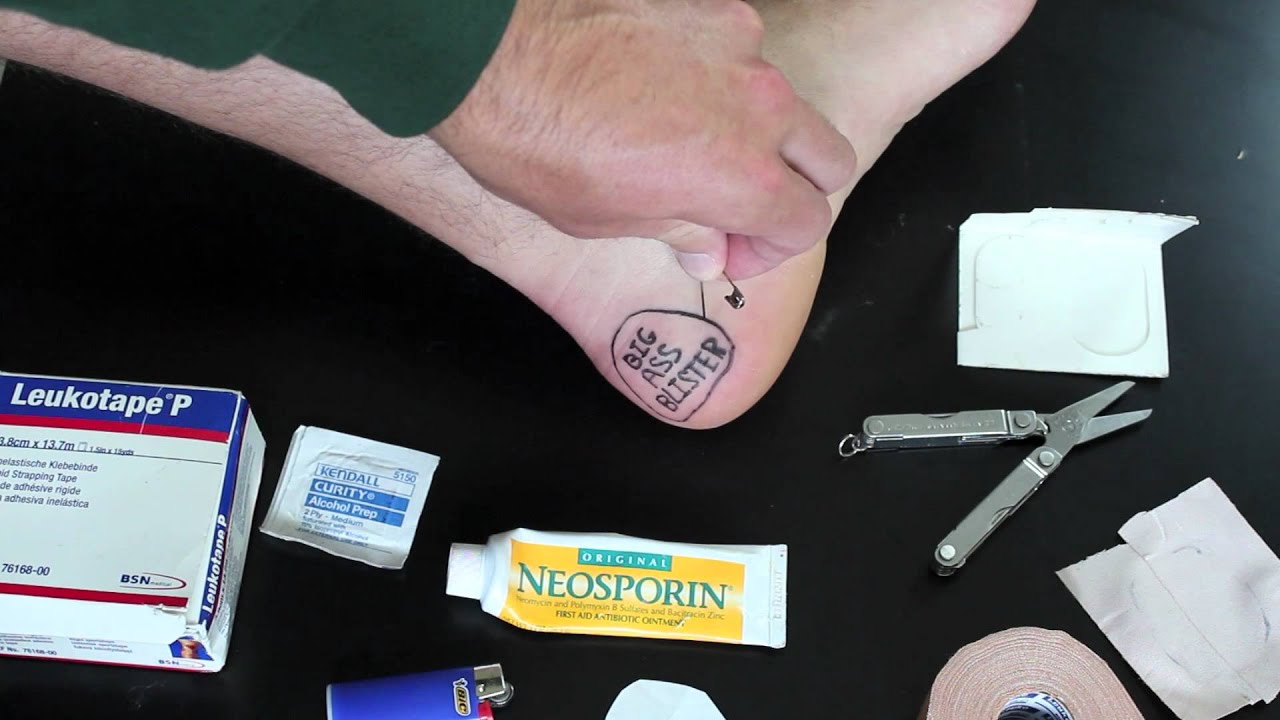
How To Clean And Dress Blisters For Hiking
Foot blisters are a common and often painful condition that affects many individuals, particularly those who engage in activities that involve prolonged walking or running. These small pockets of fluid can form on the feet due to friction, heat, or other irritants, and while they are generally not serious, they can cause significant discomfort and inconvenience.
Causes of Foot Blisters
Foot blisters are primarily caused by friction, which occurs when the skin on the feet rubs against shoes, socks, or other surfaces. This friction can lead to the separation of the outer layer of skin from the layers beneath, creating a space that fills with fluid. Several factors can contribute to the development of blisters:
- Ill-fitting footwear: Shoes that are too tight or too loose can cause excessive rubbing against the skin.
- Moisture: Sweat or water can soften the skin, making it more susceptible to friction.
- Repetitive motion: Activities such as running, hiking, or walking long distances can increase the likelihood of blisters.
- Heat: High temperatures can exacerbate friction and increase the risk of blister formation.
- New shoes: Wearing new or stiff shoes can lead to blisters as the material has not yet conformed to the shape of the foot.
Symptoms and Identification
Blisters are typically easy to identify. They appear as raised, fluid-filled bubbles on the skin, often accompanied by redness and tenderness in the surrounding area. The fluid inside a blister is usually clear, but it can sometimes be blood-tinged if the blister is deep or if blood vessels are affected.
Prevention Strategies
Preventing foot blisters involves reducing friction and protecting the skin. Here are some effective strategies:
- Choose the right footwear: Ensure that shoes fit well and provide adequate support. Consider breaking in new shoes gradually to allow them to conform to your feet.
- Wear moisture-wicking socks: These socks help keep feet dry by drawing moisture away from the skin, reducing the risk of blisters.
- Use protective barriers: Products like moleskin, blister pads, or bandages can be applied to areas prone to friction.
- Apply lubricants: Anti-chafing balms or petroleum jelly can reduce friction by allowing the skin to glide more smoothly against surfaces.
- Keep feet dry: Change socks regularly and use foot powders to absorb excess moisture.
Treatment Options
If a blister does form, proper care is essential to prevent infection and promote healing:
- Do not pop the blister: Allow it to heal naturally, as the fluid inside protects the underlying skin.
- Cover the blister: Use a sterile bandage or blister pad to protect it from further irritation.
- Keep it clean: Wash the area gently with soap and water, and apply an antiseptic if necessary.
- Monitor for infection: Signs of infection include increased redness, warmth, pus, or a foul odor. Seek medical attention if these symptoms occur.
When to Seek Medical Attention
While most blisters heal on their own, there are instances when medical attention is necessary:
- Persistent pain: If a blister is causing significant discomfort or does not improve with home care.
- Signs of infection: As mentioned, any indication of infection should be evaluated by a healthcare professional.
- Underlying health conditions: Individuals with diabetes or compromised immune systems should be particularly cautious, as they are at higher risk for complications.