Potassium ( K )
The main intracellular electrolyte.

A univalent cation. K+ (univalent means 1). The mineral that determines the electrical voltage of every single cell in our body. When potassium levels change, lower or higher, it affects the electrical activity of our nervous system and our muscles including our heart muscle.
Elevations of potassium can cause: ( all can happen very quickly)
- Bradycardia (slow heartbeat)
- Dyspnea (shortness of breath, with eventual complete respiratory paralysis)
Decreases of potassium can cause: muscle weakness and palpitations
Effects on Digestive System:
Potassium plays a vital role within the digestive system, impacting various functions and contributing to overall digestive health. Here's a breakdown of its key biological effects:
1. Muscle Function:
- Smooth Muscle Relaxation: Potassium helps relax smooth muscles lining the digestive tract, facilitating the movement of food and waste through the intestines. This is crucial for proper digestion and prevents constipation.
- Muscle Contraction Coordination: Potassium works with other electrolytes like sodium and calcium to coordinate muscle contractions within the digestive system. This ensures efficient mixing and churning of food, optimizing nutrient absorption.
2. Enzyme Activation:
- Potassium acts as a co-factor for many enzymes involved in digestion. These enzymes break down carbohydrates, proteins, and fats into smaller molecules that can be readily absorbed by the body. Adequate potassium levels ensure efficient nutrient breakdown and utilization.
3. Fluid Balance:
- Potassium plays a key role in maintaining fluid balance within the digestive system. It helps regulate the movement of fluids between cells and the intestinal lumen, preventing dehydration and ensuring proper absorption of water and nutrients.
4. Acid-Base Balance:
- Potassium acts as a buffer, helping to maintain a slightly alkaline pH within the digestive system. This is crucial for optimal enzyme activity and protects the lining of the digestive tract from damage caused by excess acidity.
5. Cell Signaling:
- Potassium is involved in cellular signaling pathways within the digestive system. It helps transmit signals between cells, coordinating various digestive processes and ensuring their smooth functioning.
Potential Consequences of Potassium Imbalance:
- Deficiency (Hypokalemia): Can lead to constipation, muscle weakness, abdominal pain, and irregular heartbeats.
- Excess (Hyperkalemia): Can cause nausea, vomiting, muscle weakness, and potentially life-threatening heart rhythm disturbances.
Maintaining Optimal Potassium Levels:
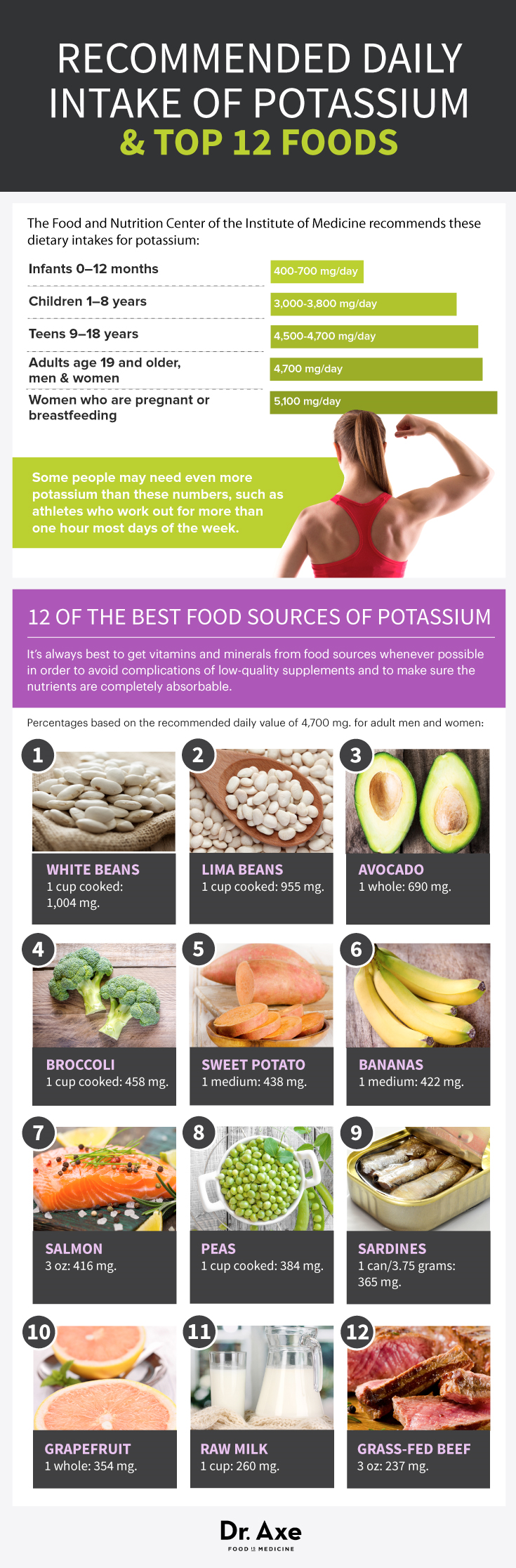
- A balanced diet rich in fruits, vegetables, and legumes can help ensure adequate potassium intake.
- Consulting a healthcare professional can provide personalized advice based on individual needs and potential health conditions.
High Potassium Herbs
Potassium mg/oz
• Catnip 783
• Peppermint 753
• Skullcap 726
• Kelp 703
• Red clover 666
• Nettle Leaf 583
• Comfrey Leaf 566
• Burdock
• Horsetail 520
• Red Rasp. 446
• Marshmallow 403
• Alfalfa 400
• Licorice 380
• Chickweed 280
Refractory Potassium Depletion:
When magnesium is too low, potassium isn't able to enter the cells. There is adequate potassium in the body, the need is for magnesium. Also called Refractory Hypokalemia.
- Refractory potassium repletion. A consequence of magnesium deficiency
- Magnesium Depletion as a Cause of Refractory Potassium Repletion
Videos

3 Ways to Get Enough Potassium
How Much Potassium is Lost with Sweating
Potassium, Muscle Strength and Exercise Endurance
Potassium Controls Vascular Calcification
Is Potassium Good or Bad For Your Kidneys?
POTASSIUM: The MOST Important Electrolyte
Serum Potassium | Hyperkalemia & Hypokalemia
13 Low-Potassium Foods Kidney Patients Can Enjoy
Potassium Prevents Muscle Mass Loss & Body Fat
Potassium balance and Consequences of abnormal serum potassium
Articles/Studies
Potassium Depletion: The Invisible Threat to Global Food Security