Endothelial Dysfunction
Return to Cardiovascular Disease Menu
Videos
Part 1
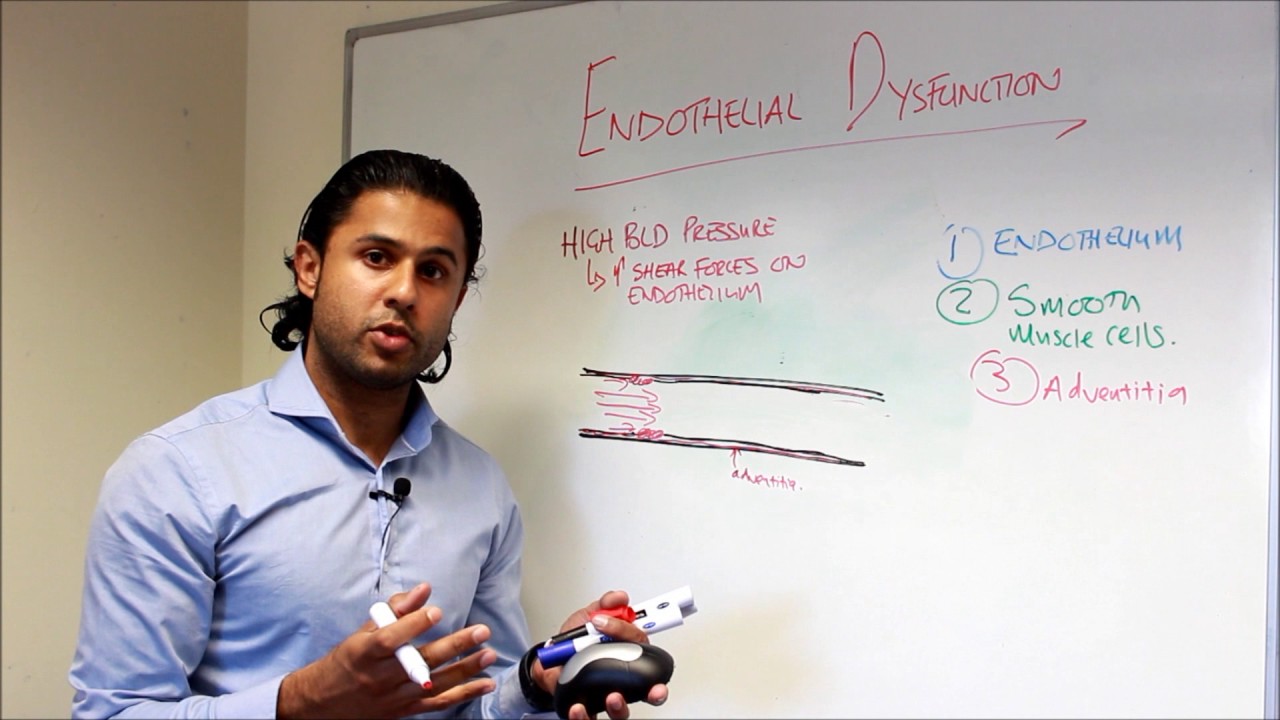
Part 2
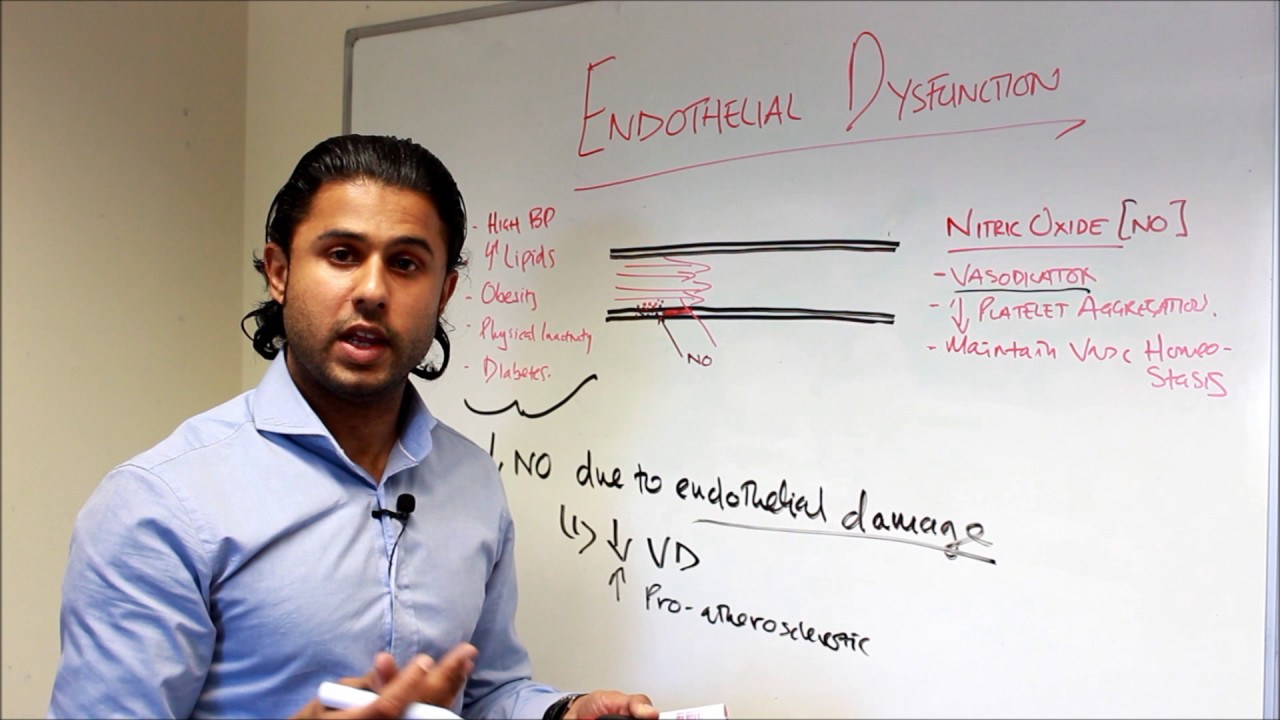
Part 3

New Tracking Method Diabetes
The Inner Highway: Imagine the inner lining of your blood vessels as a vast network of highways called the endothelium. These specialized cells play a critical role in maintaining healthy blood flow and vascular function.
The Guardians of the Highway: Endothelial cells act as vigilant guardians, performing various tasks:
- Smooth Flow: They produce lubricants to ensure smooth blood flow, preventing clotting and promoting efficient delivery of oxygen and nutrients throughout the body.
- Regulating Pressure: They adjust blood vessel diameter to control blood pressure and ensure optimal delivery based on your body's needs.
- Defending against damage: They act as a barrier against harmful substances and inflammatory factors, protecting the underlying tissues.
When the Guardians are Wounded: Unfortunately, various factors can injure the endothelium, disrupting its vital functions:
- High blood pressure: Chronically elevated pressure can stretch and damage endothelial cells.
- Oxidative stress: Free radicals from smoking, pollution, or metabolic imbalances can damage the endothelium.
- Inflammation: Chronic inflammation triggered by various factors can injure endothelial cells.
- Diabetes: High blood sugar levels can directly damage the endothelium and promote inflammation.
The Ripple Effect of Injury: Endothelial injury isn't just a localized problem; it can have significant consequences for your overall health:
- Atherosclerosis: The process of plaque buildup in arteries starts with endothelial injury, ultimately leading to heart disease and stroke.
- Blood clots: Damage can trigger clotting mechanisms, potentially leading to blockages and cardiovascular events.
- Organ damage: Chronically impaired blood flow can harm various organs, including the kidneys, brain, and eyes.
Protecting the Guardians: Fortunately, there are ways to protect and repair the endothelium:
- Healthy lifestyle: Regular exercise, a balanced diet rich in fruits and vegetables, and stress management can all contribute to endothelial health.
- Managing chronic conditions: Controlling blood pressure, diabetes, and cholesterol levels can significantly reduce the risk of endothelial injury.
- Emerging therapies: Research is exploring various novel therapies, including antioxidants, anti-inflammatory medications, and even stem cell therapy, to promote endothelial repair and regeneration.
Wikipedia
In vascular diseases, endothelial dysfunction is a systemic pathological state of the endothelium (the inner lining of blood vessels) and can be broadly defined as an imbalance between vasodilating and vasoconstricting substances produced by (or acting on) the endothelium. Normal functions of endothelial cells include mediation of coagulation, platelet adhesion, immune function and control of volume and electrolyte content of the intravascular and extravascular spaces.
Endothelial dysfunction can result from and/or contribute to several disease processes, as occurs in hypertension, hypercholesterolaemia,diabetes, septic shock, and Behcet's disease, and it can also result from environmental factors, such as from smoking tobacco products and exposure to air pollution. Endothelial dysfunction is more prevalent in shift workers, a group known to have a higher risk for cardiovascular diseases. Most of these studies on human participants have involved the percentage flow-mediated dilation (FMD%) index as the study outcome, which must have proper statistical consideration to be interpreted correctly. Endothelial dysfunction is a major physiopathological mechanism that leads towards coronary artery disease, and other atherosclerotic diseases
Articles/Studies
- Tackling endothelial dysfunction by modulating NOS uncoupling: new insights into its pathogenesis and therapeutic possibilities
- Critical Role of the Nitric Oxide/Reactive Oxygen Species Balance in Endothelial Progenitor Dysfunction
Risk Factors
- Particulate Matter 2.5 induces endothelial dysfunction via activating NLRP3 inflammasome.
- PM2.5 exposure had adverse impact on vascular endothelial function.
- Bisphenols and brominated bisphenols induced endothelial dysfunction.
Treatment
- Improvement of endothelial function with dietary flavanols.
- Effect of blueberry intervention on endothelial function.
- Tanshinone IIA** attenuates ox-LDL-induced endothelial cell injury.
- Polyphenols** regulate endothelial functions and reduce the risk of cardiovascular disease.
- current evidence clearly demonstrates that in certain conditions **vitamin D** can improve endothelial dysfunction
- Effects of dietary **oleacein** treatment on endothelial dysfunction and Lupus nephritis.
- The **procyanidin**-induced pseudo laminar shear stress response: a new concept for the reversal of endothelial dysfunction.
- **Paeoniflorin** might be a potential therapeutic agent to inhibit ER stress-associated vascular inflammation.
- Exposure to **isoflavone-containing soy products** may improve endothelial function.
- Short-term oral **l-arginine** is effective at improving the fasting vascular endothelial function when the baseline fasting flow-mediated dilation is low.
- L-Arginine** and COVID-19: An Update l-Arginine is the substrate used for NO production by NOS; due to its ability to cause NO generation, which has been shown to be a major endothelial relaxation factor (able to increase vasodilation and reduce arterial blood pressure , l-Arginine has considerable potential in becoming a tool to tackle cardiovascular issues. For instance, in patients with known endothelial dysfunction, l-Arginine supplementation (6–8 g per day) has been shown to improve endothelial function and ultimately lower blood pressure.
- Significant improvements in endothelial function were observed in trials supplementing with **vitamin C alone and vitamin E alone**, whereas co-administration of both vitamins was ineffective.
- **5-MTHF** administration improves endothelial dysfunction in patients undergoing peritoneal dialysis.
- A combination of **berberine, red yeast rice and policosanol** lowers lipid levels and improves endothelial function and insulin sensitivity in hypercholesterolemic patients.
- A **Mediterranean-style diet** achieved by close dietetic supervision improves endothelial function in subjects with abdominal obesity.
- A **pistachio** rich diet improves blood glucose level, endothelial function, and some indices of inflammation and oxidative status in healthy young men.
- A significant acute favorable dose-dependent effect of **decaffeinated espresso coffee** on endothelial function was observed.
- A standardized preparation of **curcuminoids** compares favorably with atorvastatin on endothelial dysfunction in association with reductions in inflammatory cytokines and markers of oxidative stress.
- A **whey-derived peptide** improves vascular function
- Acute **EGCG** supplementation reverses endothelial dysfunction in patients with coronary artery disease.
- **Aged garlic extract and coenzyme Q10** have a beneficial effect on vascular elasticity and endothelial function in firefighters with high occupational stress.
- **Alpha-Lipoic acid and acetyl-L-carnitine** appear to improve vascular function and blood pressure in patients with coronary artery disease.
- Antioxidant **Vitamin C** prevented the decline in SFA FMD, suggesting that oxidative stress may contribute to the impairment in endothelial function during sitting.
- **Ascorbic acid** reverses endothelial vasomotor dysfunction in patients with coronary artery disease.
- **Artichoke** positively modulates endothelial function in hypercholesterolemia.
- Black tea** consumption improves endothelial function and arterial elasticity in healthy subjects.
- **Chocolate procyanidins** may inhibit vascular and inflammatory processes that contribute to cardiovascular disease.
- Acute consumption of flavanol-rich **cocoa** and the reversal of endothelial dysunfction in smokers.
- Chronic cocoa consumption** improves endothelial function in postmenopausal women with high cholesterol.
- **Puerarin**, the predominant isoflavone found within kudzu, inhibits aging of endothelial progenitor cells.
- Puerarin** protects against endothelial dysfunction and end-organ damage.
- Vitexin** inhibits APEX1 to counteract the flow-induced endothelial inflammation.
- The effect of **microencapsulated watermelon rind and beetroot** ingestion on ischemia/reperfusion-induced endothelial dysfunction.
- Folic acid** might have a favourable effect on endothelial function.