Endothelial Function Test
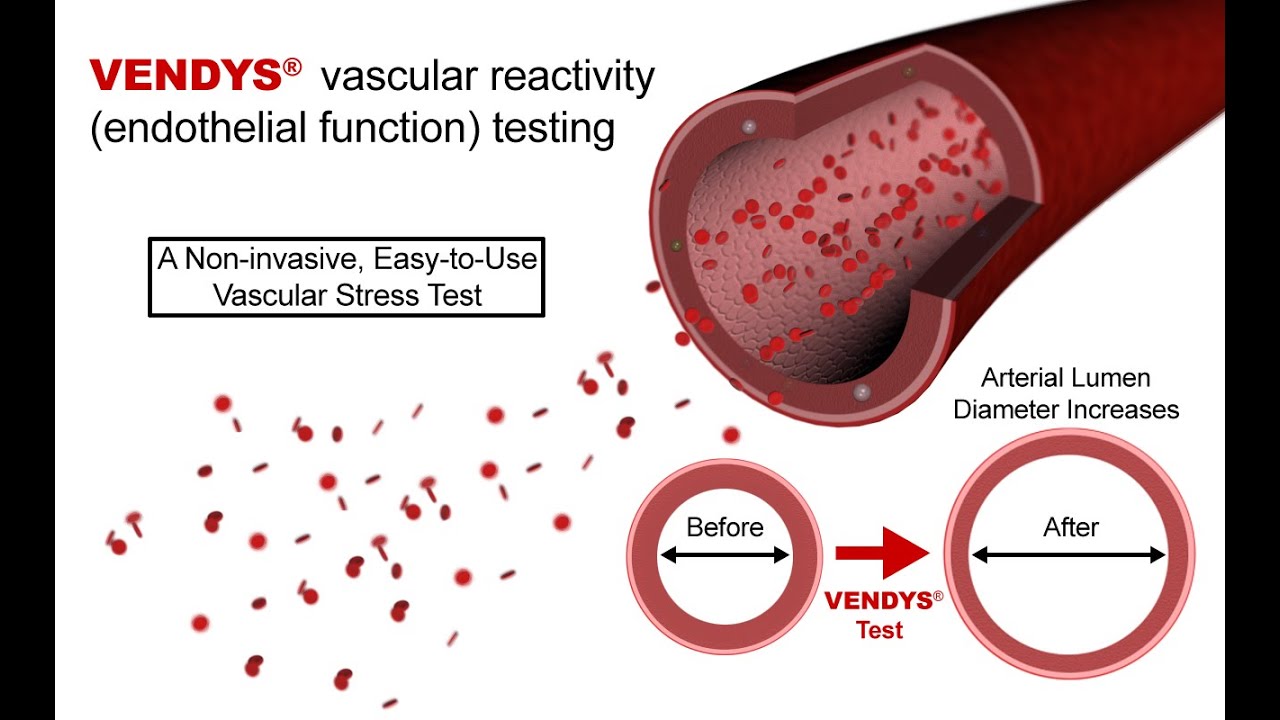
Non-invasive assessment

Microvascular Assessment

The endothelial function test is a critical diagnostic tool used to assess the health and performance of the endothelium, the thin layer of cells lining the blood vessels. This test is essential for evaluating cardiovascular health, as the endothelium plays a significant role in vascular tone regulation, blood flow, and overall cardiovascular function.
Importance of the Endothelium
The endothelium is more than just a barrier between the blood and the vessel wall. It is an active organ involved in several vital functions, including:
- Regulation of Vascular Tone: The endothelium releases substances like nitric oxide (NO) that help in the dilation and constriction of blood vessels.
- Blood Clot Prevention: It produces anticoagulant and antithrombotic factors to prevent unnecessary clotting.
- Inflammation Control: The endothelium regulates immune cell adhesion and migration, playing a role in inflammation.
- Vascular Growth: It is involved in angiogenesis, the formation of new blood vessels.
Dysfunction of the endothelium is a precursor to atherosclerosis and other cardiovascular diseases, making its assessment crucial for early detection and prevention.
Methods of Testing Endothelial Function
Several methods are used to evaluate endothelial function, each with its own advantages and limitations:
1. Flow-Mediated Dilation (FMD)
FMD is a non-invasive ultrasound-based technique that measures the dilation of the brachial artery in response to increased blood flow. This method assesses the ability of the endothelium to release NO and cause vasodilation.
- Procedure: A blood pressure cuff is placed on the forearm and inflated to occlude blood flow. Upon release, the increased flow causes the artery to dilate, which is measured using ultrasound.
- Advantages: Non-invasive and widely used in research.
- Limitations: Operator-dependent and requires specialized equipment.
2. Peripheral Arterial Tonometry (PAT)
PAT is another non-invasive method that uses finger probes to measure changes in digital pulse volume during reactive hyperemia.
- Procedure: Similar to FMD, a blood pressure cuff is used to occlude blood flow, and changes in pulse volume are recorded after cuff release.
- Advantages: Simple and less operator-dependent.
- Limitations: May be influenced by factors like skin temperature and peripheral vascular disease.
3. EndoPAT
EndoPAT is a specific device that uses PAT technology to provide an index of endothelial function.
- Procedure: The device measures the reactive hyperemia index (RHI) by comparing pulse volume changes in both arms.
- Advantages: Automated and provides a standardized measure.
- Limitations: Cost and availability may be a concern.
4. Invasive Methods
Invasive methods, such as intracoronary infusion of acetylcholine, directly assess endothelial function in coronary arteries.
- Procedure: Acetylcholine is infused into the coronary arteries, and changes in blood flow are measured.
- Advantages: Direct assessment of coronary endothelial function.
- Limitations: Invasive, with associated risks and costs.
Clinical Significance
Assessing endothelial function is crucial for:
- Early Detection: Identifying endothelial dysfunction can help in the early detection of cardiovascular diseases.
- Risk Stratification: It aids in stratifying patients based on their cardiovascular risk.
- Monitoring Treatment: Evaluating the effectiveness of interventions aimed at improving endothelial function, such as lifestyle changes and medications.
Factors Affecting Endothelial Function
Several factors can influence endothelial function, including:
- Lifestyle: Smoking, poor diet, and lack of exercise can impair endothelial function.
- Medical Conditions: Hypertension, diabetes, and hyperlipidemia are associated with endothelial dysfunction.
- Medications: Some drugs, like statins and ACE inhibitors, can improve endothelial function.