Cavitations
Videos

American Dental Association gag rule prevents dentists from discussing hazards of mercury fillings
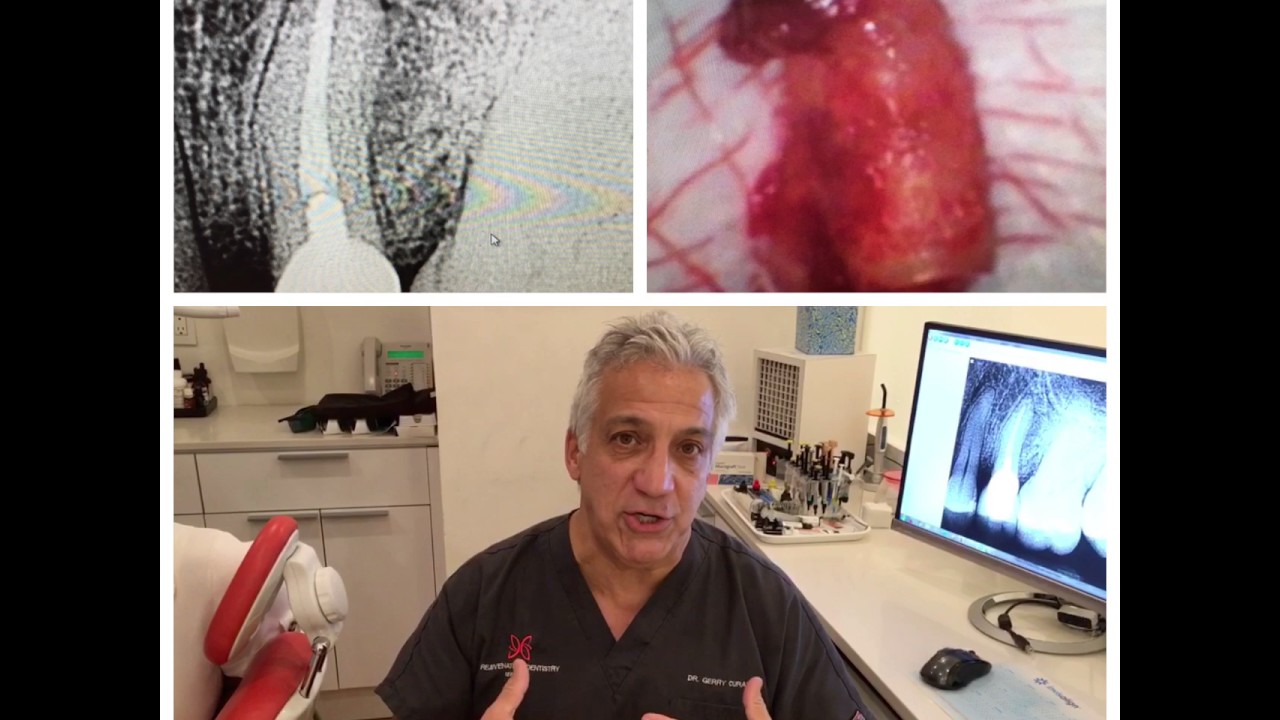
Addressing Cavitations, Hidden Infections, and Root Canals with Dr. Gerry Curatola
The term “cavitation” refers to a “hole” in the bone, typically where a tooth has been previously extracted or near the roots of existing root canal teeth. It may be the result of a recent extraction or one performed decades earlier, but it is often the consequence of an extraction site not healing properly.
How do cavitations happen?
Improper cleaning of the extraction site can easily create cavitations. Teeth are held in the socket by ligaments. If these ligaments are not removed during the extraction the bone may not fill in properly, leaving a hole in the jawbone. When this happens, the healing process is disrupted and a caviation can appear.
Inside cavitation holes, bacteria can flourish and produce debilitating toxins. The latest research has proven these toxins to be highly neurotoxic, which means they can affect the basic functioning of essential bodily systems. These toxins do this by inhibiting protein and enzyme absorption and therefore disturbing cellular function, and contributing to, or inducing disease.
Any infection in your mouth is to be taken very seriously, because the distance between the infection and the brain is very small. Cavitations can lead to osteonecrosis or dead bone material in the jaw. Patients can experience nerve pain most often in the head, neck and face, but also throughout the body.
Wisdom Teeth Removal and the Cavitation Connection | Dr. Pompa