Wisdom Teeth
Return to Digestive System Menu
Why remove wisdom teeth?
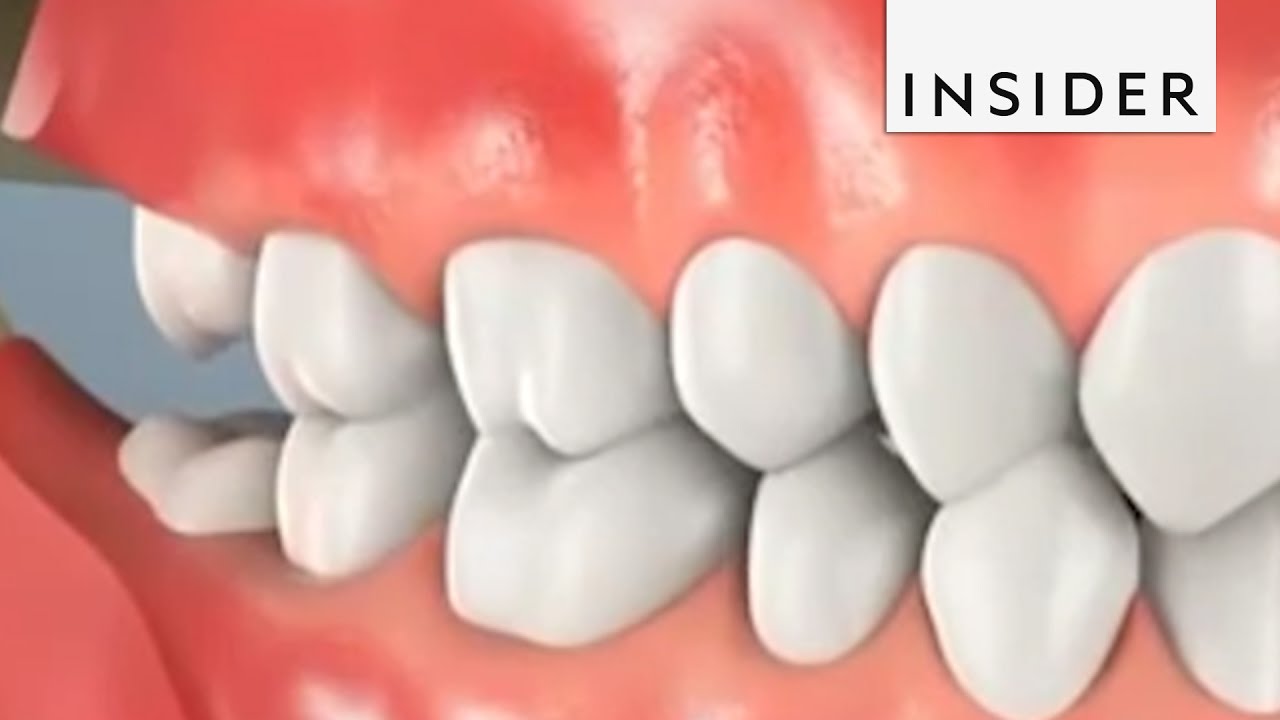
How do Holistic Dentists Remove Wisdom Teeth and Avoid Infection, Cavitations and Osteomyelitis?
Is WISDOM Teeth 🦷 Extraction necessary? Procedure & Healing- Dr.Ravinder Vurakaranam|Doctors' Circle
Wisdom teeth, also known as third molars, are the last set of molars that most people develop in their late teens or early twenties. These teeth are located at the back of the mouth, one in each quadrant, and are the final teeth to emerge. While they can be beneficial for chewing when healthy and properly aligned, wisdom teeth often pose various dental issues due to their tendency to become impacted or misaligned.
The Evolutionary Perspective
From an evolutionary standpoint, wisdom teeth were essential for our ancestors, who had larger jaws and a diet that required more chewing power. The additional molars helped in grinding down plant tissue and raw meat. However, as human diets evolved and cooking methods improved, the need for these extra molars diminished. Consequently, human jaws have become smaller over time, often lacking the space to accommodate these late-emerging teeth.
Common Issues with Wisdom Teeth
Wisdom teeth can lead to several dental problems, primarily due to the lack of space in the modern human jaw. Some common issues include:
- Impaction: This occurs when wisdom teeth do not have enough room to emerge or develop normally. Impacted wisdom teeth may grow at an angle, remain trapped within the jawbone, or only partially break through the gum.
- Crowding: As wisdom teeth attempt to emerge, they can push against other teeth, leading to crowding and misalignment of the dental arch.
- Infection and Gum Disease: Partially erupted wisdom teeth can create a flap of gum tissue that traps food and bacteria, leading to infections and gum disease.
- Cysts and Tumors: In rare cases, impacted wisdom teeth can lead to the development of cysts or tumors, which can damage the jawbone and surrounding teeth.
Symptoms of Wisdom Teeth Problems
Individuals with problematic wisdom teeth may experience a range of symptoms, including:
- Pain or discomfort at the back of the mouth
- Swelling and redness of the gums
- Difficulty opening the mouth
- Bad breath or an unpleasant taste in the mouth
- Headaches or jaw pain
Diagnosis and Evaluation
Dentists typically evaluate wisdom teeth through a combination of clinical examination and dental X-rays. X-rays help determine the position of the wisdom teeth and assess whether they are likely to cause problems. Regular dental check-ups are crucial for monitoring the development of wisdom teeth and planning any necessary interventions.
Treatment Options
The treatment for wisdom teeth issues varies depending on the severity of the problem. Some common approaches include:
- Monitoring: If wisdom teeth are not causing any immediate issues, a dentist may recommend regular monitoring to ensure they do not become problematic in the future.
- Extraction: This is the most common treatment for problematic wisdom teeth. Extraction can be performed by a dentist or an oral surgeon, often under local or general anesthesia. The procedure involves removing the tooth and, in some cases, the surrounding bone.
- Surgical Intervention: In cases where wisdom teeth are deeply impacted or associated with cysts, a more complex surgical procedure may be necessary.
Post-Extraction Care
After wisdom teeth extraction, proper care is essential to ensure a smooth recovery. Some post-extraction care tips include:
- Rest and avoid strenuous activities for a few days.
- Apply ice packs to reduce swelling.
- Follow a soft food diet and avoid hot or spicy foods.
- Maintain oral hygiene by gently rinsing the mouth with salt water.
- Avoid smoking or using straws, as these can dislodge the blood clot and delay healing.
Articles/Studies
Wisdom Teeth Removal, When is it Necessary?
Surgical removal of wisdom teeth often just a sham... pointless surgery rakes in dough for dentists