Learning
Videos
Asking The Right Questions
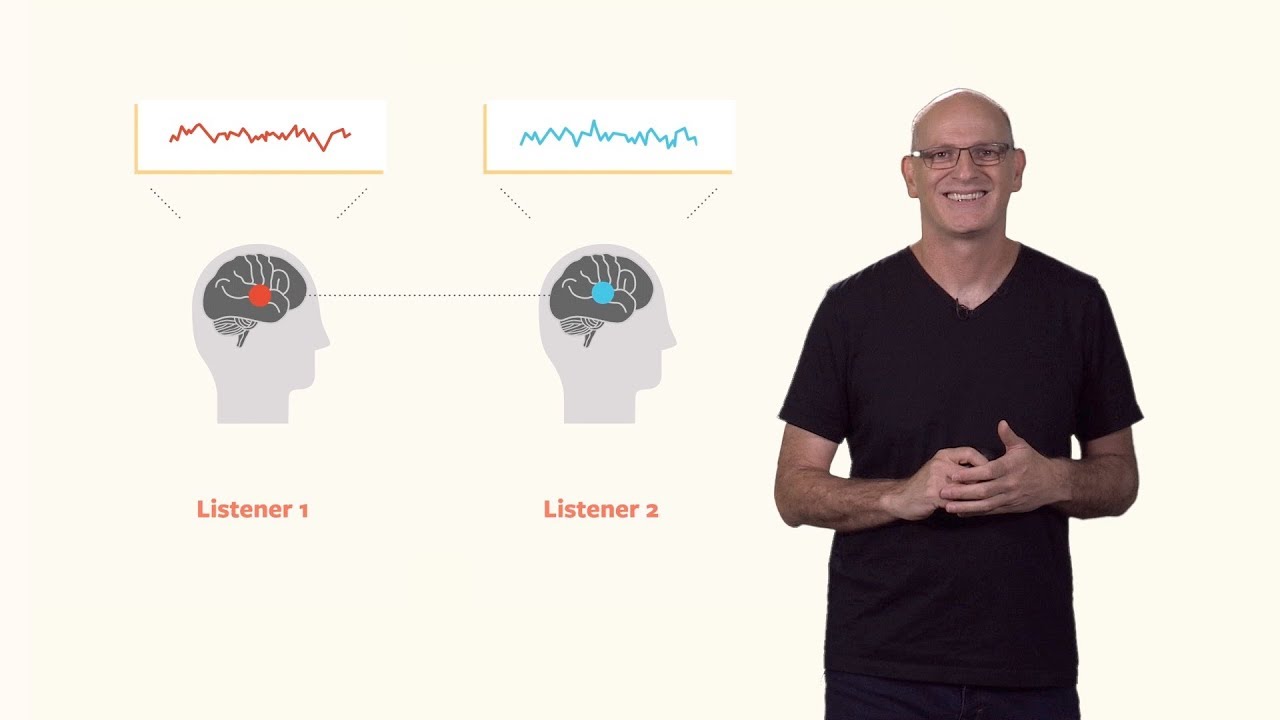
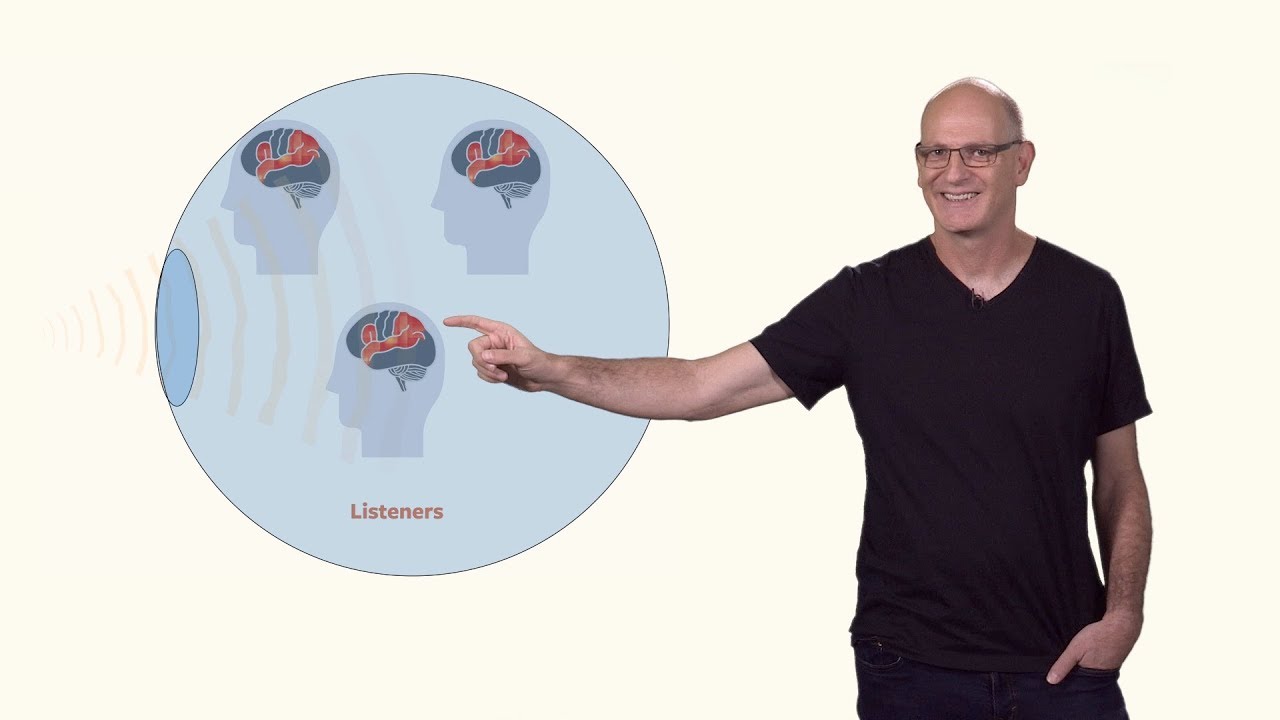
How we communicate information across brains
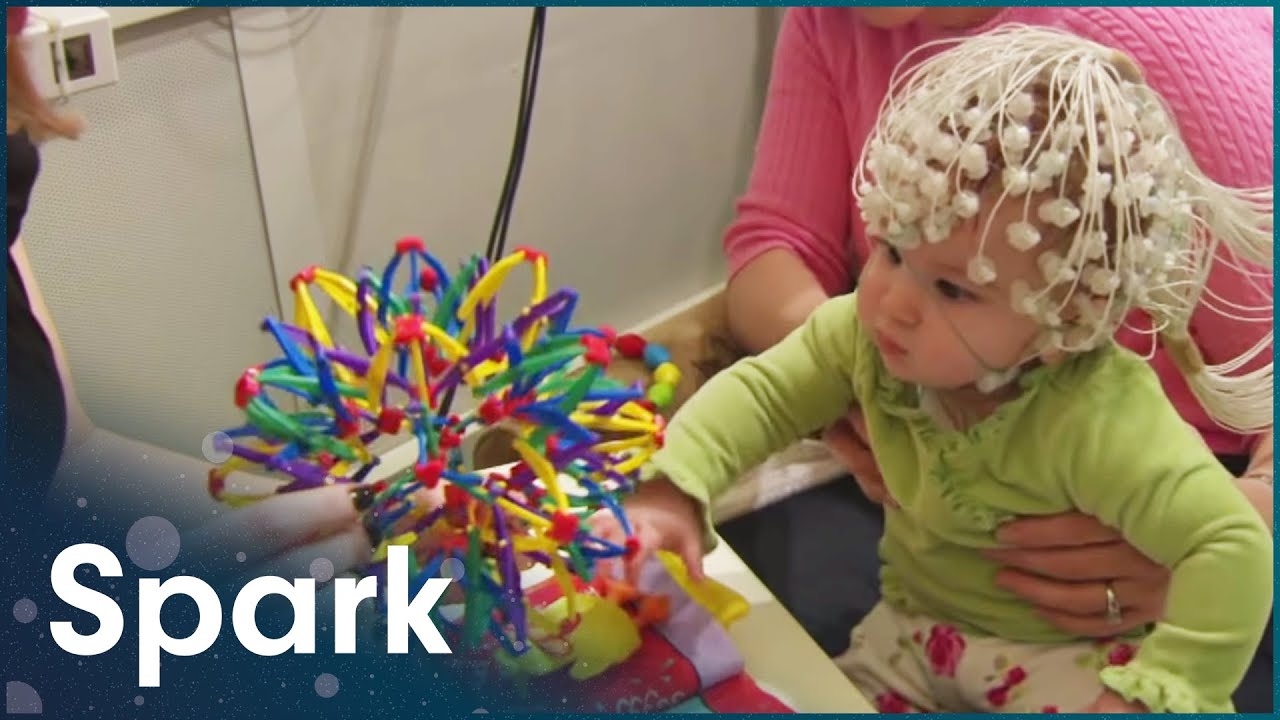
The Brain's Flexibility To Learn And Adapt In Childhood
Storytelling shapes our Minds
How much can the human brain learn?
articles/studies
Why some kids struggle with math even when they try hard. Children's math learning difficulties explained. A new Stanford study suggests math struggles may be about more than numbers. Children who had difficulty with math were less likely to adjust their thinking after making mistakes during number comparison tasks. Brain imaging showed weaker activity in regions that help monitor errors and guide behavioral changes. These brain patterns could predict which children were more likely to struggle.
Scientists uncover the brain’s hidden learning blocks. Princeton researchers found that the brain excels at learning because it reuses modular “cognitive blocks” across many tasks. Monkeys switching between visual categorization challenges revealed that the prefrontal cortex assembles these blocks like Legos to create new behaviors. This flexibility explains why humans learn quickly while AI models often forget old skills.
Science says we’ve been nurturing “gifted” kids all wrong. A major international review has upended long-held ideas about how top performers are made. By analyzing nearly 35,000 elite achievers across science, music, chess, and sports, researchers found that early stars rarely become adult superstars. Most world-class performers developed slowly and explored multiple fields before specializing.
Scientists suggest the brain may work best with 7 senses, not just 5. Scientists at Skoltech developed a new mathematical model of memory that explores how information is encoded and stored. Their analysis suggests that memory works best in a seven-dimensional conceptual space — equivalent to having seven senses. The finding implies that both humans and AI might benefit from broader sensory inputs to optimize learning and recall.
This 100-year-old teaching method is beating modern preschools. A first-of-its-kind national trial shows that public Montessori preschool students enter kindergarten with stronger reading, memory, and executive function skills than their peers. These gains don’t fade — they grow over time, bucking a long-standing trend in early education research. Even better, Montessori programs cost about $13,000 less per child than traditional preschool.
Why We Learn Better From People We Like
Learning engages transient and sustained cellular mechanisms in the human brain
Popular Myth Busted: New Study Reveals That Adults Learn Skills Faster Than Kids
Dopamine’s Role in Learning from Rewards and Penalties Dopamine, a neurotransmitter, plays a vital role in encoding both reward and punishment prediction errors in the human brain. This study suggests that dopamine is essential for learning from both positive and negative experiences, enabling the brain to adapt behavior based on outcomes.
Effectiveness of coenzyme Q10 on learning and memory and synaptic plasticity impairment.