Learning Disabilities
Common Learning Disabilities:
Signs & Symptoms of Learning Disorders | Dyslexia, Dyscalculia, Dysgraphia, Dyspraxia | Animated
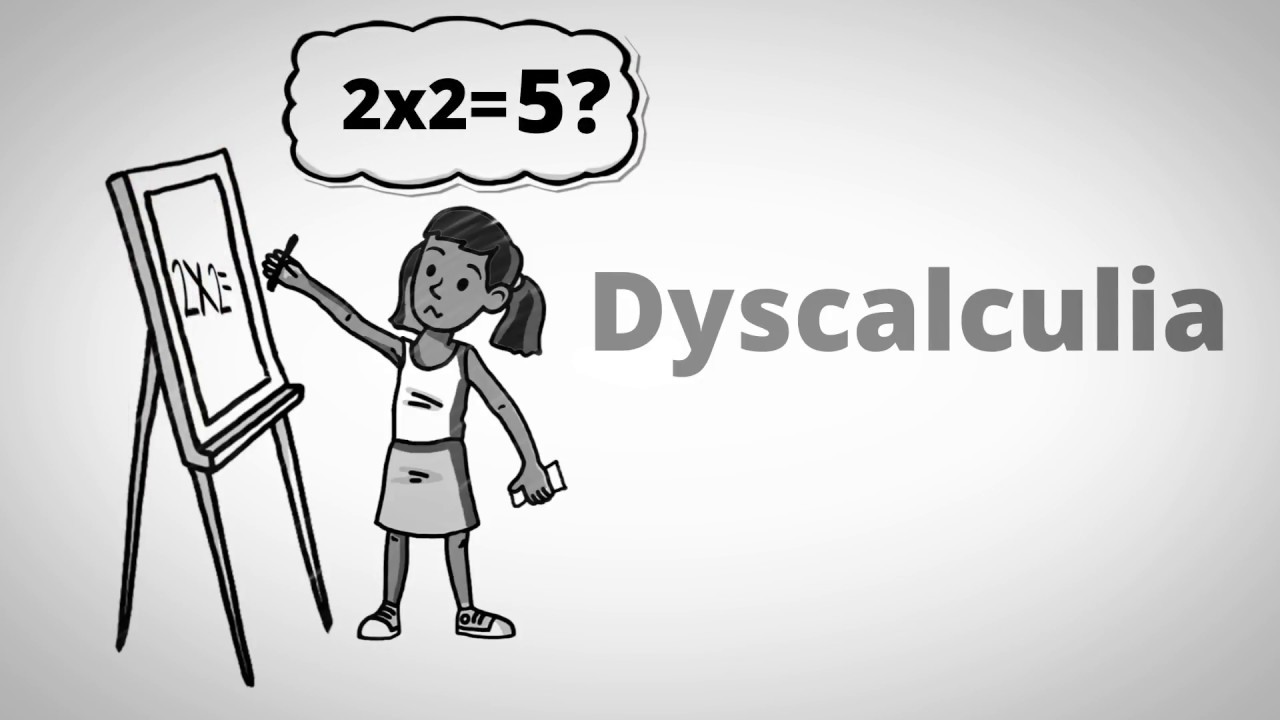
Learning disabilities are neurodevelopmental disorders that affect the brain's ability to process and understand information. These disabilities can impact various areas of learning, including reading, writing, math, and comprehension skills. While learning disabilities are common, they can be challenging to identify and manage effectively.
Types of Learning Disabilities
There are several types of learning disabilities, each with its own unique characteristics:
- Dyslexia: Affects reading and spelling skills, making it difficult to decode and recognize words accurately.
- Dysgraphia: Impairs writing abilities, causing difficulties with handwriting, spelling, and organizing thoughts on paper.
- Dyscalculia: Affects mathematical skills, making it challenging to understand and manipulate numbers.
- Auditory Processing Disorder: Impacts the ability to process and make sense of auditory information, such as following instructions or distinguishing between similar sounds.
- Visual Processing Disorder: Causes difficulties in interpreting and making sense of visual information, such as recognizing shapes, letters, or symbols.
- Nonverbal Learning Disabilities: Affects nonverbal cues and social interactions, leading to difficulties in understanding and interpreting body language and facial expressions.
Identifying Learning Disabilities
Identifying learning disabilities can be complex, as they often manifest differently in each individual. However, there are common signs that may indicate the presence of a learning disability:
- Struggling with reading, writing, or math skills.
- Difficulty following instructions or staying focused.
- Poor organizational skills and time management.
- Problems with memory and recall.
- Challenges with social interactions and communication.
If these signs persist and significantly impact academic performance or daily life, it is crucial to seek professional evaluation and diagnosis from a qualified healthcare professional or educational specialist.
Managing Learning Disabilities
Once identified, learning disabilities can be managed effectively with appropriate interventions and support systems. Some strategies that can help individuals with learning disabilities include:
- Individualized Education Program (IEP): This tailored plan outlines specific goals, accommodations, and support services to meet the unique needs of each student.
- Special Education Services: These services provide additional instructional support, such as small group instruction or one-on-one tutoring, to address individual learning challenges.
- Assistive Technology: Tools like text-to-speech software, word prediction programs, or graphic organizers can assist individuals with learning disabilities in completing tasks and accessing information more effectively.
- Multisensory Instruction: This approach combines visual, auditory, and kinesthetic techniques to reinforce learning and enhance understanding.
- Accommodations: Adjustments and modifications can be made in the learning environment, such as extended time for exams, preferential seating, or providing written instructions alongside verbal explanations.
- Supportive Environment: Creating a supportive and inclusive environment that fosters understanding, patience, and empathy can greatly enhance the well-being and success of individuals with learning disabilities.
Promoting Awareness and Understanding
Raising awareness and understanding about learning disabilities is essential to help individuals with these challenges thrive. It is important to dispel misconceptions and myths surrounding learning disabilities, replacing them with accurate information and empathy. By cultivating a supportive community and providing equal opportunities for everyone, we can create a more inclusive society that celebrates the diverse range of abilities.
Articles/Studies
- Irregular Sleep Time Lowers Kids’ Memory and Language Learning Scores. A new study reveals that irregular sleep patterns lower receptive vocabulary and visuospatial memory scores in preschool children.
- A diet containing a mixture of P. montana and red ginseng extracts reversed learning and memory impairments.
- Black ginseng-enriched Chong-Myung-Tang extracts improve spatial learning behavior.
- The brain learns completely differently than we've assumed since the 20th century