Streptococcus mutans
Prevalence of S. mutans serotype k in American School Children
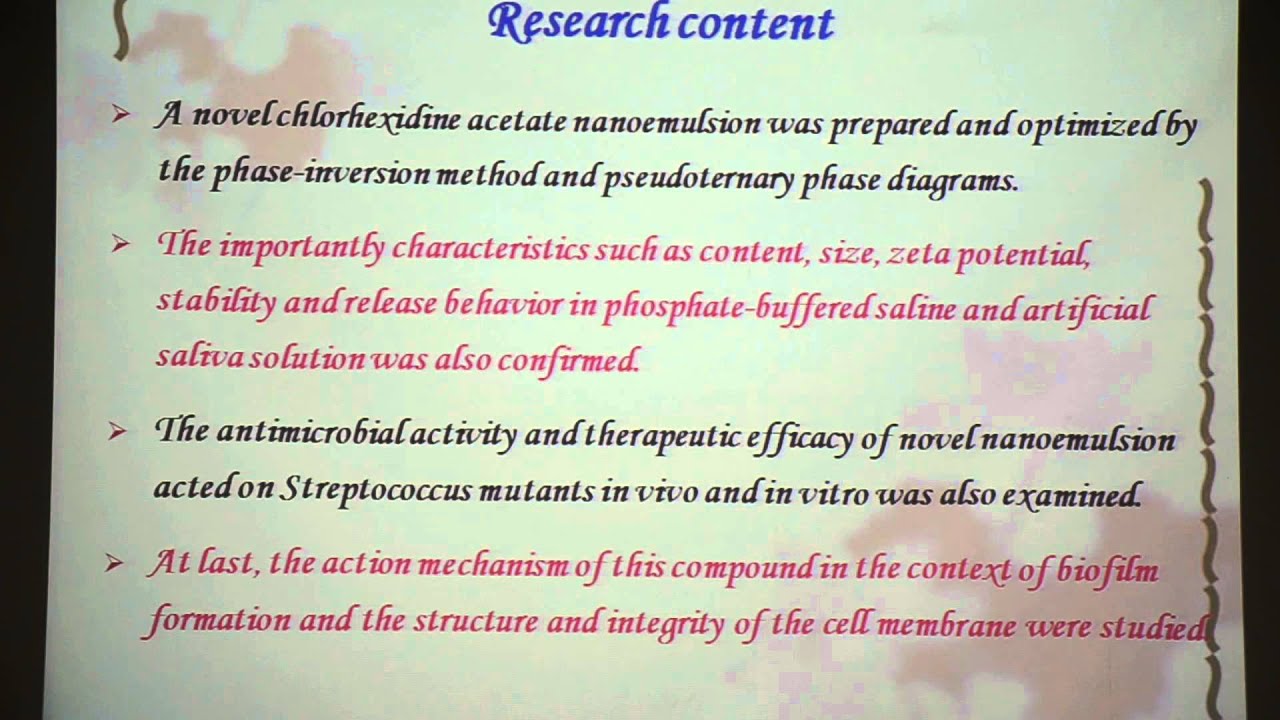
Novel Nanoemulsion against S. mutans
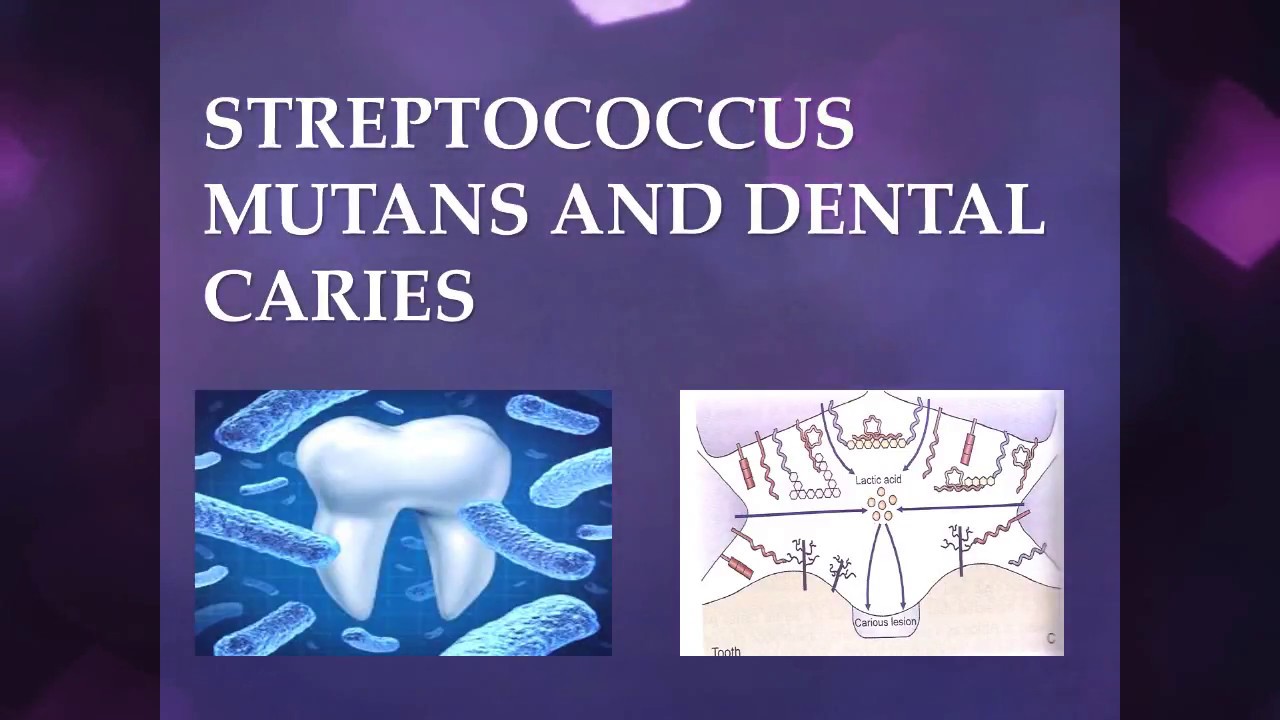
Streptococcus mutans is a significant bacterium in the field of microbiology and dental health. This Gram-positive, facultatively anaerobic bacterium is primarily known for its role in the development of dental caries (tooth decay).
Characteristics of Streptococcus mutans
Morphology and Classification
- Shape and Structure: S. mutans is a coccus (spherical) bacterium that typically forms chains.
- Gram Staining: It is Gram-positive, meaning it retains the crystal violet stain used in the Gram staining procedure.
- Oxygen Requirements: It is facultatively anaerobic, which means it can survive in both the presence and absence of oxygen.
- Classification: S. mutans belongs to the genus Streptococcus, which includes several other species that are part of the normal flora of the human mouth and throat.
Habitat
- Natural Habitat: S. mutans is commonly found in the human oral cavity, particularly in dental plaque.
- Environmental Conditions: It thrives in environments with a pH range of 5.5 to 7.5 and can survive in acidic conditions, which is a key factor in its role in tooth decay.
Pathogenic Mechanisms
Role in Dental Caries
S. mutans is a primary etiological agent in the development of dental caries. The process involves several steps:
- Adhesion: S. mutans adheres to the tooth surface using adhesins, which are surface proteins that facilitate attachment to the enamel.
- Biofilm Formation: Once attached, S. mutans forms a biofilm, commonly known as dental plaque. This biofilm provides a protective environment for the bacteria.
- Acid Production: S. mutans metabolizes dietary sugars, particularly sucrose, to produce lactic acid. This acid lowers the pH in the oral cavity, leading to demineralization of the tooth enamel.
- Cavity Formation: Continuous acid production and enamel demineralization result in the formation of cavities.
Virulence Factors
- Glucosyltransferases (GTFs): Enzymes that synthesize glucans from sucrose, aiding in biofilm formation.
- Acidogenicity: The ability to produce acid from carbohydrate metabolism.
- Aciduricity: The ability to survive and thrive in acidic environments.
Prevention and Control
Oral Hygiene Practices
- Brushing and Flossing: Regular brushing with fluoride toothpaste and flossing help remove dental plaque and reduce the population of S. mutans.
- Mouthwash: Antimicrobial mouthwashes can reduce the bacterial load in the oral cavity.
Dietary Modifications
- Reduced Sugar Intake: Limiting the consumption of sugary foods and beverages can decrease the substrate available for S. mutans to produce acid.
- Xylitol: This sugar alcohol can inhibit the growth of S. mutans and reduce the risk of dental caries.
Professional Dental Care
- Regular Dental Check-ups: Professional cleanings and examinations can help detect and manage early signs of dental caries.
Articles/Studies
Researching a Selective Antibacterial Effect Against Streptococcus mutans
Xylitol and erythritol inhibit real-time biofilm formation of Streptococcus mutans.
Vitamin C has a negative effect on S. mutans growth and biofilm formation.
Antimicrobial activity of commercially available essential oils against Streptococcus mutans
Human cathelicidin LL-37 enhances the antibiofilm effect of EGCG on S. mutans.
Probiotics could reduce high levels of Streptococcus mutans in saliva.