Wound Packing

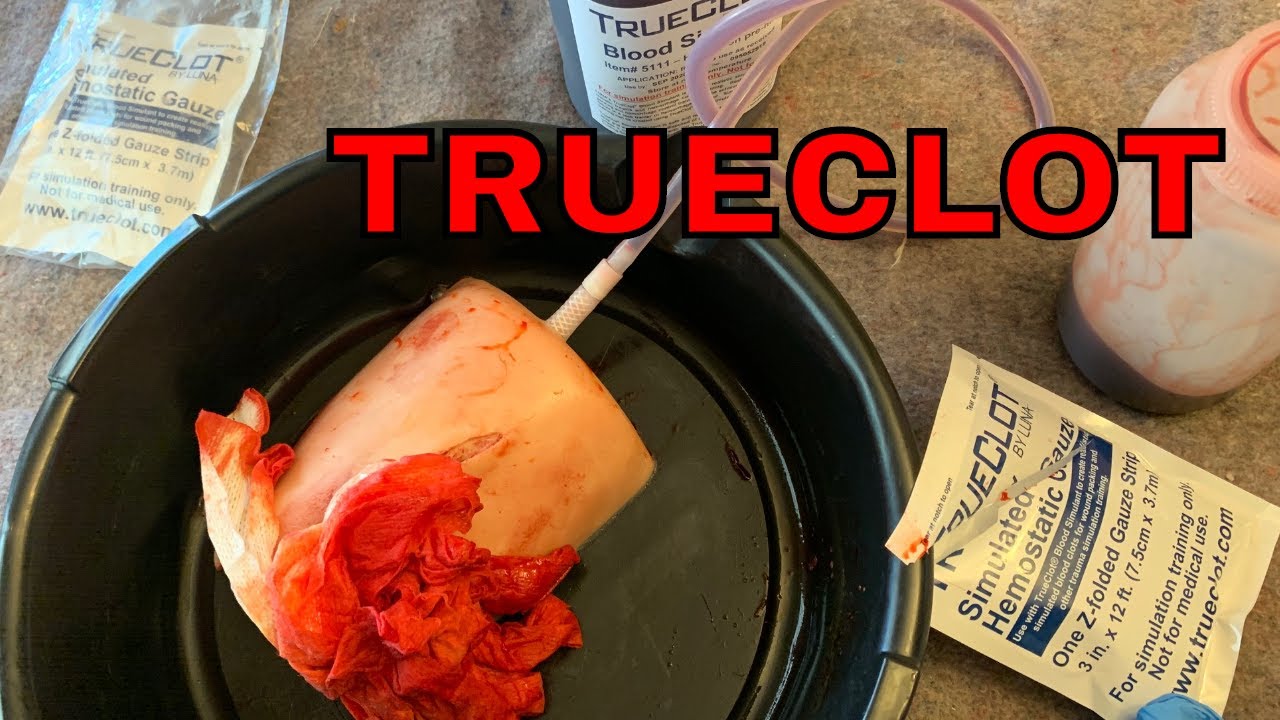
TrueClot Wound Packing Trainer
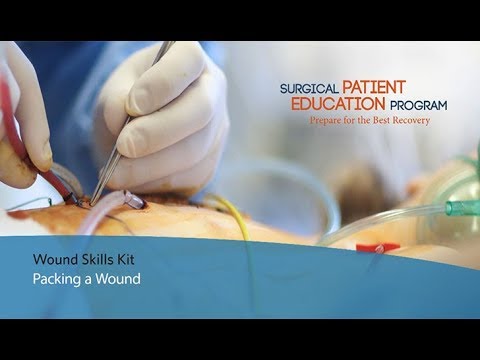
Wound packing is a critical first aid technique used to control bleeding and promote healing in deep wounds. This method is particularly important in situations where professional medical help is not immediately available, such as in remote locations or during emergencies. Proper wound packing can be the difference between life and death, making it an essential skill for first responders, military personnel, and even civilians.
When to Use Wound Packing
Wound packing is typically used for deep wounds that are actively bleeding and cannot be controlled by direct pressure alone. These wounds often occur from:
- Gunshot wounds
- Stab wounds
- Deep lacerations
- Traumatic injuries
It is crucial to assess the wound to determine if packing is necessary. If the wound is superficial or the bleeding can be controlled with a simple bandage, packing may not be required.
Materials Needed for Wound Packing
To effectively pack a wound, you will need the following materials:
- Sterile gauze or hemostatic gauze
- Gloves (to maintain sterility and protect yourself)
- Bandage or dressing to secure the gauze
- Antiseptic solution (if available)
Hemostatic gauze is preferred because it contains agents that promote blood clotting, which can be particularly useful in severe bleeding scenarios.
Steps for Wound Packing
Follow these steps to properly pack a wound:
- Ensure Safety: Before approaching the injured person, ensure the scene is safe. Wear gloves to protect yourself and maintain sterility.
- Expose the Wound: Carefully remove or cut away clothing to fully expose the wound.
- Control Initial Bleeding: Apply direct pressure to the wound using a sterile cloth or gauze to control initial bleeding.
- Clean the Wound: If possible, clean the wound with an antiseptic solution to reduce the risk of infection.
- Pack the Wound:
    1. Take a piece of sterile gauze or hemostatic gauze.
    2. Start packing the gauze into the wound cavity, beginning at the deepest point.
3. Continue to pack the gauze tightly, layer by layer, until the wound cavity is filled.- Apply Pressure: Once the wound is packed, apply firm pressure to help control bleeding.
- Secure the Dressing: Use a bandage or dressing to secure the packed gauze in place. Ensure it is tight enough to maintain pressure but not so tight that it cuts off circulation.
- Seek Medical Help: Even if the bleeding is controlled, it is crucial to seek professional medical help as soon as possible.
Tips for Effective Wound Packing
- Stay Calm: Keeping a clear head will help you perform the procedure more effectively.
- Use Enough Gauze: Do not skimp on the gauze. It is better to over-pack than under-pack the wound.
- Monitor for Signs of Shock: Be aware of signs of shock in the injured person, such as pale skin, rapid breathing, and weak pulse. Treat for shock if necessary.
- Reassure the Injured Person: Keep the injured person calm and reassured throughout the process.
Common Mistakes to Avoid
- Not Packing Deep Enough: Ensure you reach the deepest part of the wound to control bleeding effectively.
- Using Non-Sterile Materials: Always use sterile materials to reduce the risk of infection.
- Inadequate Pressure: Failing to apply enough pressure can result in continued bleeding.
- Delaying Medical Help: Wound packing is a temporary measure. Always seek professional medical assistance as soon as possible.