Common Groundsel
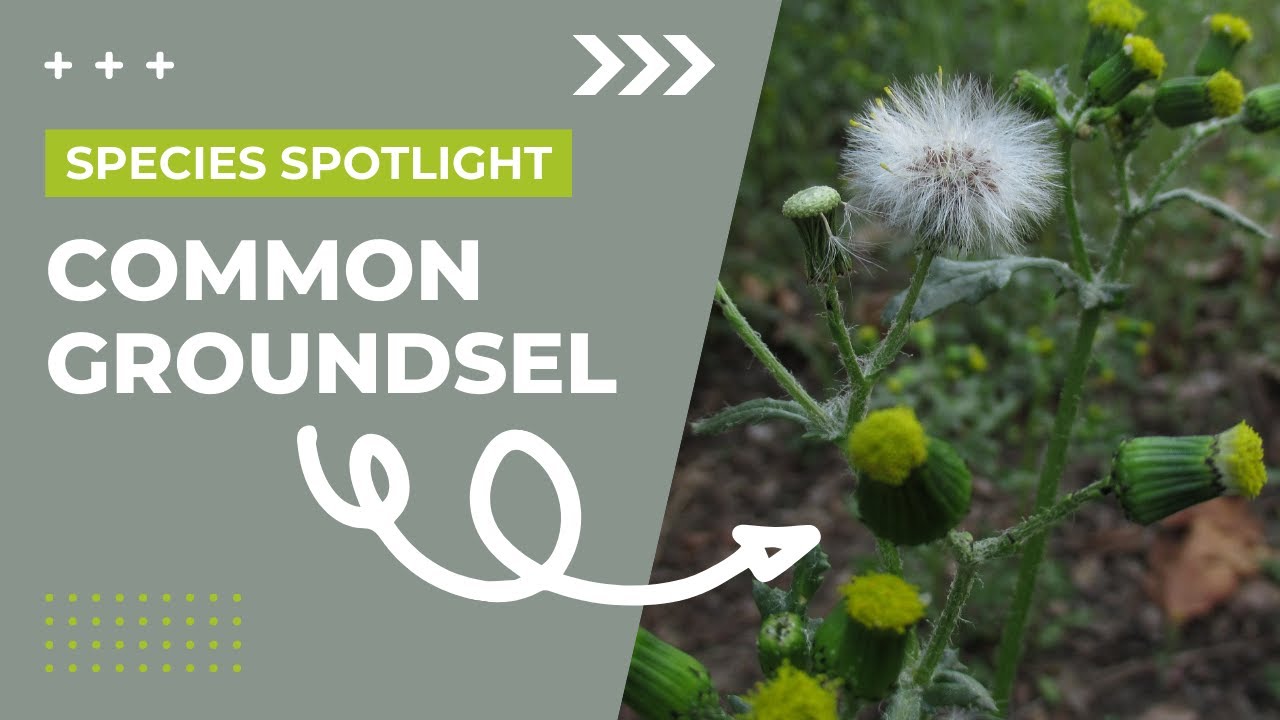
PA Status: High 1,2-unsaturated PA content (e.g., senecionine, seneciphylline) — internal use generally not recommended; treat primarily as toxic/noxious plant. See Pyrrolizidine and Quinolizidine Alkaloids.
Common Groundsel (Senecio vulgaris) – Herb Monograph
Botanical Overview
- Family: Asteraceae
- Habit: Erect, herbaceous annual up to ~45 cm (16 in) tall
- Stems: Hollow, branching near the top and from the base
- Leaves:
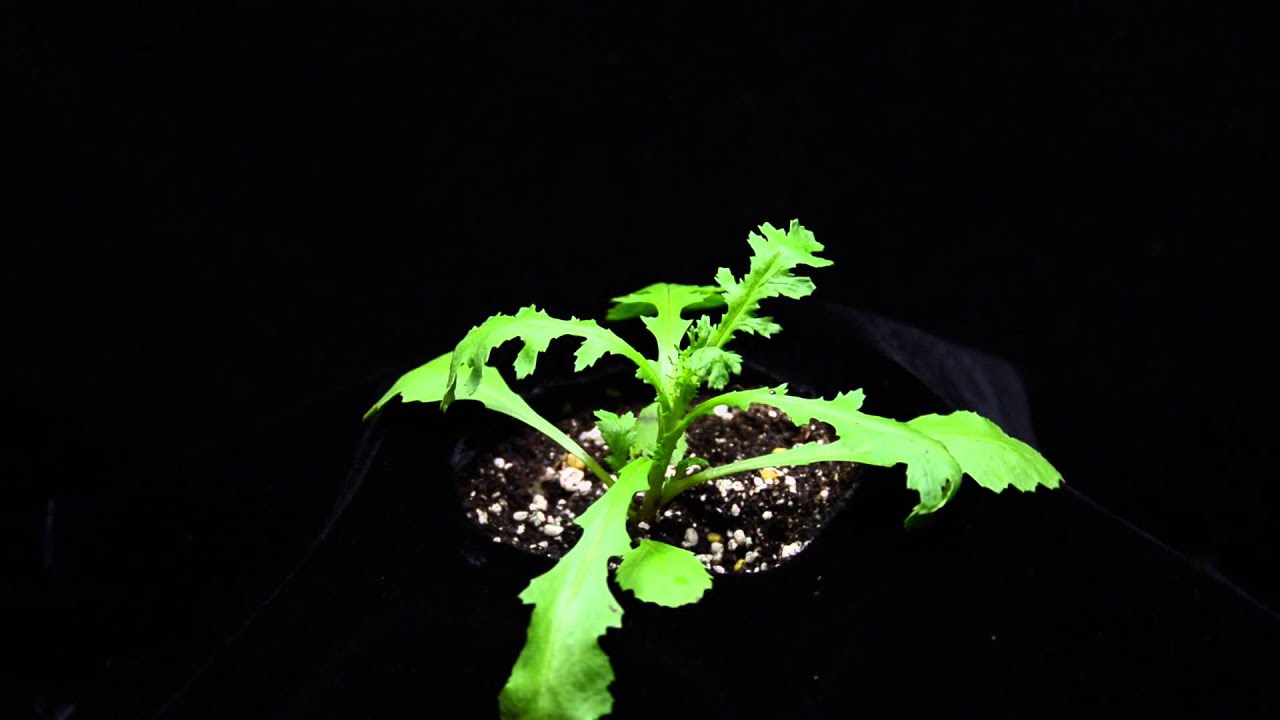
- Alternate, pinnately lobed, 2.4 in (6 cm) long × 1 in (2.5 cm) wide
- Upper leaves sessile, auriculate, and sub-clasping
- Margins sharply to coarsely toothed
- Sparsely covered with fine, soft hairs
- Inflorescence:
- Small, rayless, yellow flower heads (6–13 mm)
- Disc florets largely hidden by black‑tipped involucral bracts
- Occasionally a radiate form occurs via crossing with Senecio squalidus
- Fruit/Seed:
- Achenes with a conspicuous white pappus (“old man” fluff)
- Seeds sticky when wet; extremely numerous (up to ~2.2 million per lb; ~1,700 per plant typical)
- Habitat & Ecology:
- Ruderal, thrives on disturbed soils: gardens, roadsides, waste ground, fields, nurseries, orchards
- Frost-resistant annual, self-pollinating, up to three generations per year
- Host for multiple plant pathogens (e.g., black root rot of peas, alfalfa, soybeans, many crops)
Distribution
Native to Europe, northern Asia, and parts of North Africa; now widely naturalized across temperate regions worldwide. In North America, often treated as an introduced, exotic, and sometimes noxious weed, with variable assessments of nativity by different agencies.
Constituents
Primary medicinal/toxic interest:
- Pyrrolizidine alkaloids (PAs) (up to ~0.16% in fresh foliage)
- Major: senecionine, seneciphylline
- Flavonoids:
- e.g., isorhamnetin-3-O-glucosides, isorhamnetin-3-O-rutinosides, isorhamnetin-3-monosulfate
- Volatile oil: traces
Toxicology & PA Content
- PAs (especially 1,2‑unsaturated types such as senecionine) are hepatotoxic and carcinogenic.
- Chronic exposure can result in veno-occlusive liver disease (VOD) and irreversible hepatic damage.
- Toxicity has been clearly documented in humans, livestock, and experimental systems.
Historical & Folk Uses (Context Only)
Important: These uses are of historical interest and are not recommended in modern practice due to PA toxicity.
- Historically used as:
- Diaphoretic, antiscorbutic, purgative, diuretic, anthelmintic
- For colic, “gravel” of kidneys/reins (Dioscorides)
- As poultices for external complaints (Gerard)
- Claimed remedy for epilepsy (Culpeper)
- Pressed juice used for dysmenorrhea, epilepsy, and as a styptic in dentistry
- By 20th century, medicinal recommendations had already declined; more recent toxicological data further restricts any internal use.
Modern Assessment – Toxic vs Medicinal
Humans
- All Senecio spp. contain PAs (e.g., senecionine) that can accumulate and cause liver injury.
- Case reports include prenatal exposure via herbal tea (e.g., ~0.343 mg senecionine leading to fatal VOD in a newborn).
- Modern reviews emphasize that even “small” repeated doses may be hazardous due to cumulative hepatotoxicity.
- As a result, internal medicinal use is not advised; safer alternatives exist for all of its historical indications.
Livestock
- Recognized as a poisonous weed for cattle and horses:
- Approximate lethal amount: around 7% of body weight consumed; lower chronic intake can still cause latent liver failure.
- Liver damage may become clinically apparent only when animals are stressed by other factors.
- Sheep and goats have rumen flora that can partially detoxify PAs and tolerate higher intake, but significant exposure is still undesirable.
- PAs are not destroyed by drying or ensiling; contaminated hay and silage remain toxic.
Ecological & Agricultural Significance
- Weed status:
- Listed as a noxious or troublesome weed in various jurisdictions.
- Can contaminate seed lots of cereals and vegetables, spreading via agricultural trade.
- Host for diseases and insects:
- Acts as host for multiple rusts, mildews, and fungi, and a range of insects (e.g., cinnabar moth, ragwort flea beetle, seed flies, gall flies).
- Biocontrol & management:
- Biological control agents (e.g., cinnabar moth, rust fungi) have been trialed, with mixed effectiveness.
- Mechanical control (cultivation to ~2 in depth, repeated at ~14-day intervals) and maintaining dense ground cover help limit spread.
Clinical Position (Modern Herbal Practice)
- Internal use:
- Not recommended as a medicinal herb for humans due to clear PA-related hepatic and carcinogenic risk.
- Historical uses are best regarded as toxicology case material, not therapeutic precedent.
- Topical use:
- Even external use offers little unique benefit relative to safer vulneraries; generally unnecessary given alternatives.
- Herbalist orientation:
- Treat primarily as a toxic/noxious species to be recognized, excluded from ingestion (food, teas, fodder), and controlled in fields and gardens.
Contraindications & Interactions (PA-Containing Herb Framework)
Common groundsel (Senecio vulgaris) contains hepatotoxic pyrrolizidine alkaloids (PAs), placing it in the same risk class as other PA-containing herbs such as Erechtites, Senecio spp., Symphytum, Cynoglossum, and Petasites. See also: Pyrrolizidine and Quinolizidine Alkaloids.
Contraindications / Strong Cautions
- Known or suspected liver disease (hepatitis, cirrhosis, significant NAFLD, unexplained elevated LFTs)
- Pregnancy and lactation
- Infants and young children (internal use)
- History of unexplained hepatic reactions to herbs or drugs
- Concurrent use of other PA-containing herbs
Use Parameters (if used internally at all)
- From a modern clinical standpoint, internal use is generally contraindicated.
- Any exception would require very short-course, low-dose, and strong justification—with informed consent and close monitoring.
Potential Interactions (Conceptual, PA Framework)
- Additive risk with hepatotoxic medications
- Increased overall hepatic burden when combined with multiple liver-metabolized drugs and herbs
- Avoid stacking multiple PA sources simultaneously